avatarViggy Hampton, MPH

Free AI web copilot to create summaries, insights and extended knowledge, download it at here

2219

Abstract

oss-things-never-knew-eating-buffet/">every other customer</a> who has come before you. One recent study showed that <a href="https://www.prnewswire.com/news-releases/global-handwashing-day-focuses-on-need-for-universal-hand-hygiene-300159521.html">over a third</a> of people <i>don’t wash their hands after using the restroom</i>. That means that when you reach for that ladle to get some soup, you might be picking up other customers’ fecal bacteria — right before you then handle those dinner rolls.</p><p id="af95">Buffets also present a serious health hazard to diners with <a href="https://www.mashed.com/115462/gross-things-never-knew-eating-buffet/">severe food allergies</a>. As staff and customers handle many different types of food, cross-contamination with allergens like soy, wheat, and peanuts is bound to happen. While a small dose of wheat might not be harmful for most, it can wreak havoc on those with conditions like Celiac disease.</p><p id="13da">On top of all of these biological issues, there is also a slippery psychology at play when you encounter a buffet. Most people grab <a href="https://www.mashed.com/36571/truth-buffets/">whatever they see first</a>, so restaurants put high-carb, filling foods at the front — think rice, pasta, and mashed potatoes. Those foods are also cheap to make, so it’s a win-win for the buffet: you fill up on cheap food, which means you eat less, and the restaurant makes a larger profit. To further control what and how you eat, buffets often use <a href="https://www.mashed.com/36571/truth-buffets/">small plates</a>, so that you can only serve yourself so much at one time. Once again, smaller portions = larger profits.</p><h1 id="6586">Buffets and COVID-19: a terrible combination</h1><p id="379e">Early on in the pandemic, the <a href="https://www.cnn.com/2020/05/24/business/buffets-salad-bars-coronavirus-reopen-trnd/index.html">FDA asked restaurants</a> to close self-service salad bars and buffets. Unsurprisingly, that directive was a death knell for many restaurant chains, such as <a href="https://www.washingtonpost.com/nation/2020/05/08/buffet-style-souplantation-sweet-tomatoes-restaurants-will-likely-close-ceo-says-citing-coronavirus/">Sweet

Options

Tomatoes</a>. Others, like <a href="https://www.cnn.com/2020/05/24/business/buffets-salad-bars-coronavirus-reopen-trnd/index.html">Golden Corral</a>, have limped on with new practices like staff-serve stations or family-style table service.</p><p id="382e">Many restaurants are left wondering when, if ever, they’ll be permitted to reopen self-serve buffets. And, even if they <i>can</i> open, will Americans have an appetite for what they’re dishing up?</p><p id="79a9">Personally, I’m ready to bid the buffet <i>adieu</i>. In addition to all the problems I’ve already laid out, my decision was clinched when I saw a <a href="https://www.cbs8.com/article/life/food/is-it-safe-to-eat-at-a-buffet-or-salad-bar-with-coronavirus-covid-19/509-ee3e1817-8c49-4f56-85ba-ee01a7d66f38">recent video of an experiment in Japan</a>. In the experiment, researchers replicated a buffet-style environment and then coated one diner’s hands with a blacklight-visible gel meant to represent COVID-19 virus particles. They instructed the diners to serve themselves as they normally would, and at the end of their meal, the researchers shined a blacklight over the diners.</p><p id="86c8">The results were shocking: smudges of blacklight were visible on plates, serving utensils, hands, and even other diners’ faces. Clearly, even with the knowledge of basic hygiene practices at the forefront of most peoples’ minds, COVID-19 still spread like a plague, all thanks to the buffet.</p><p id="07e5">I know there are many institutions that rely on buffet-style service, like college dining halls, soup kitchens, and hotels, but I think there is plenty of room here for innovation. Even staff-served food stations would be an improvement. Grab n’ go kiosks are also a viable option, although at the expense of the bountiful variety a buffet would provide.</p><p id="c900">The buffet has been around for <a href="https://www.cnn.com/2020/05/24/business/buffets-salad-bars-coronavirus-reopen-trnd/index.html">over 80 years</a>. Maybe it’s time to move on.</p><blockquote id="eae1"><p>What do you think? Are you ready to say goodbye to the buffet? If not, tell me why in the comments — I’d love to hear from you!</p></blockquote></article></body>

FOOD

It’s Time for the Buffet to Die

It was risky before, and it’s riskier now
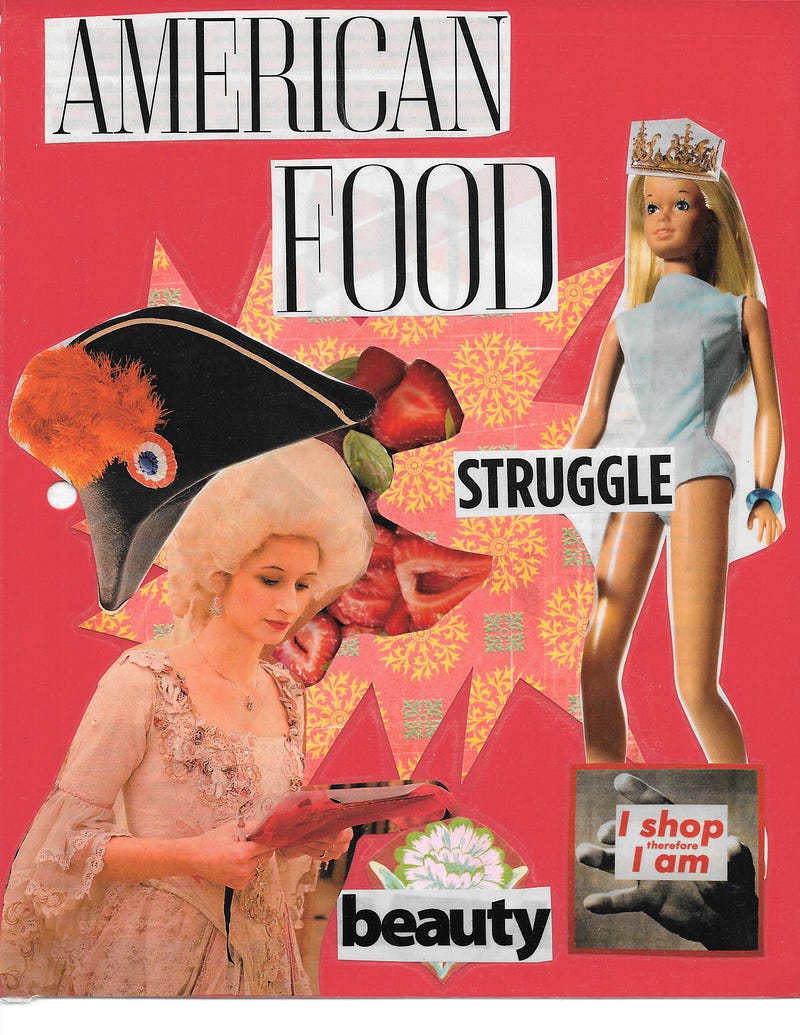
Collage: Author’s own

For many, walking into a buffet restaurant and seeing the steaming dishes arrayed like tasty gifts under a Christmas tree is heavenly. For others (like me), a buffet is something to be feared.

Why? Because while buffets and self-serve food stations might be convenient and offer up variety, they also offer up germs and possibly substandard food.

Plus, in the age of COVID-19, it may be wise to bid farewell to the buffet concept altogether.

The problems with a buffet

Sure, that pile of dinner rolls coated in butter or those cups of chilled shrimp on rapidly melting ice may look fresh, but that doesn’t mean they are. Food at buffets may have been sitting out for over an hour, which makes it difficult to keep food at the correct temperature. Why does that matter? Food that’s left out for long periods of time or that falls into the temperature “danger zone” (40–140F) is much more likely to become a fertile breeding ground for bacteria that can cause foodborne illness (think E. coli, Salmonella, and Shigella).

When you eat at a buffet, you have to trust not only the restaurant staff (who should be keeping things clean and regularly replacing food and serving utensils), but also every other customer who has come before you. One recent study showed that over a third of people don’t wash their hands after using the restroom. That means that when you reach for that ladle to get some soup, you might be picking up other customers’ fecal bacteria — right before you then handle those dinner rolls.

Buffets also present a serious health hazard to diners with severe food allergies. As staff and customers handle many different types of food, cross-contamination with allergens like soy, wheat, and peanuts is bound to happen. While a small dose of wheat might not be harmful for most, it can wreak havoc on those with conditions like Celiac disease.

On top of all of these biological issues, there is also a slippery psychology at play when you encounter a buffet. Most people grab whatever they see first, so restaurants put high-carb, filling foods at the front — think rice, pasta, and mashed potatoes. Those foods are also cheap to make, so it’s a win-win for the buffet: you fill up on cheap food, which means you eat less, and the restaurant makes a larger profit. To further control what and how you eat, buffets often use small plates, so that you can only serve yourself so much at one time. Once again, smaller portions = larger profits.

Buffets and COVID-19: a terrible combination

Early on in the pandemic, the FDA asked restaurants to close self-service salad bars and buffets. Unsurprisingly, that directive was a death knell for many restaurant chains, such as Sweet Tomatoes. Others, like Golden Corral, have limped on with new practices like staff-serve stations or family-style table service.

Many restaurants are left wondering when, if ever, they’ll be permitted to reopen self-serve buffets. And, even if they can open, will Americans have an appetite for what they’re dishing up?

Personally, I’m ready to bid the buffet adieu. In addition to all the problems I’ve already laid out, my decision was clinched when I saw a recent video of an experiment in Japan. In the experiment, researchers replicated a buffet-style environment and then coated one diner’s hands with a blacklight-visible gel meant to represent COVID-19 virus particles. They instructed the diners to serve themselves as they normally would, and at the end of their meal, the researchers shined a blacklight over the diners.

The results were shocking: smudges of blacklight were visible on plates, serving utensils, hands, and even other diners’ faces. Clearly, even with the knowledge of basic hygiene practices at the forefront of most peoples’ minds, COVID-19 still spread like a plague, all thanks to the buffet.

I know there are many institutions that rely on buffet-style service, like college dining halls, soup kitchens, and hotels, but I think there is plenty of room here for innovation. Even staff-served food stations would be an improvement. Grab n’ go kiosks are also a viable option, although at the expense of the bountiful variety a buffet would provide.

The buffet has been around for over 80 years. Maybe it’s time to move on.

What do you think? Are you ready to say goodbye to the buffet? If not, tell me why in the comments — I’d love to hear from you!

Food
Restaurant
Buffet
Coronavirus
Illness
Recommended from ReadMedium