
It’s So Hard To Say Goodbye: The Art of the Series Finale

Over the next six weeks, five shows that I have stuck with for a total of 42 seasons and 762 episodes are airing their series finale. Some are still brilliant whereas some should have ended a while back. Regardless, however, I have stuck around to see if they stick the landing. In anticipation, I reflect on what makes a good series finale and why they mean so much to fans.
Why I Usually Stick it Out to the End … Even When I Shouldn’t
Over the next six weeks, I will say goodbye to Schitt’s Creek (the series finale airs tonight), Modern Family (tomorrow), Will & Grace (April 23rd), Homeland (April 26th), and How To Get Away with Murder (May 14th). These shows have run for a combined total of 42 seasons and aired 762 episodes, of which I have seen every single one. Give my considerable investment of time and energy into these series, I am expecting some strong emotional reactions over the next few weeks.
Many people who were once fans of these shows gave up on them long ago. They cited uninteresting plot twists, recycled storylines and themes, increasingly broad and predictable humor, and lack of novelty among their reasons for jumping ship. And it’s hard to blame them. Like many series, some of the ones reaching their end most certainly have their best days behind them. And in the era of peak TV when new and high quality content is being released on a variety of platforms almost daily, why stick with a show whose best days are behind it?
Although it is a perfectly reasonable stance to abandon an old favorite when it gets tired and switch to something fresh and new, it has never been my stance. In fact, I can only recall a handful of shows that I watched faithfully for more than a season or two and then abandoned. Glee, House of Cards, Empire, and Grey’s Anatomy are just about the only ones that come to mind.
With the vast majority of shows, I tend to stick it out all the way to the series finale. Part of the reason I do this is because of some character traits that are deeply ingrained in me like nostalgia, loyalty, optimism, and a yearning for closure. All of these make me a sucker for a nice, satisfying series finale. Also contributing is the fact that I have never been a casual TV watcher. I have never been one to play shows in the background. I have never liked to surf the channels (back when that was a thing people did). I like to carefully select my shows and really invest in and connect with it. Undoubtedly that makes it harder to let go of them.
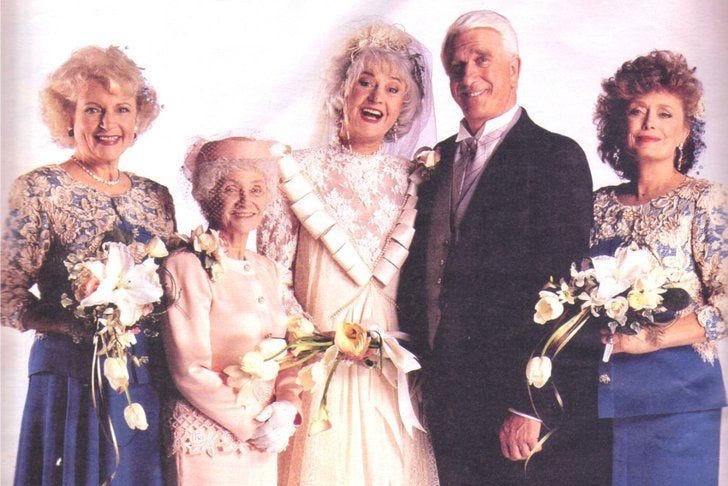
Another major reason I tend to stick it out is because so many shows that I have stuck with either stayed great until the end or had a major creative revitalizations late in their runs. For example, Friends had its most critically acclaimed season 8 years in; Breaking Bad, Everybody Loves Raymond, and The Mary Tyler Moore Show won the top Emmy Awards in their final seasons; and shows like Mad Men, The Golden Girls, and Frasier were still producing all-time classic episodes in their final seasons.
Another reason I tend to stick it out is because I am fascinated by how long-running shows decide to wrap things up. As we move firmly into the streaming era, more of our top-quality shows are choosing to have very abbreviated runs (e.g., Fleabag, Big Little Lies) and/or to have a lifespan that is very carefully plotted out by the show-runners (e.g., The Good Place, The Crown). But for more traditional, long-running shows, nearing the end is a time to try to dig out of plot holes, wrap up loose plot threads, create satisfying ends for the main characters, re-engage fans who have grown cold on the series, and ultimately double down on what they want the show’s creative legacy to be.
The Crushing Disappointment When They Get it Wrong
Ask any TV fan to name a series finale that disappointed them and you will undoubtedly get an earful. Just last May, the finale of Game of Thrones caused a crushing sense of disappointment among die-hard fans and even casual viewers. By naming the least interesting character of the 30+ person ensemble the king, grossly undermining several of its strong female characters, and chaotically tying up some long plot threads, the final episodes turned several long-time fans into enemies.

But this is hardly a trend that started with Game of Thrones. I know numerous people who are still angry about the unsatisfying final twist of Lost and the lack of closure delivered by the finale of The Sopranos (two shows I am ashamed to admit I have never watched more than a couple of episodes of). Drama series can be particularly hard to wrap up in a satisfying way, especially ones that are high concept and character-focused as opposed to more procedural. Take the two drama series I am bidding farewell to over then next few weeks. How to Get Away with Murder and Homeland have had so many plot twists, murders, cover-ups, cliffhangers, shifting loyalties, and rotating cast members over their lengthy runs that it seems unlikely they will be able to deliver a truly satisfying wrap-up that brings it all together.
Long-running comedy series may have a better track record for satisfyingly wrapping up their runs, but nevertheless there have been a lot of disappointing comedy finales. Typically, this occurs when shows get overly ambitious, often jumping too far into the future. Few fans who stuck with Mad About You or the original run of Will & Grace for so long wanted to find out that the titular duo had heartbreaking falling outs and grew apart. And virtually nobody wanted to see Roseanne stray so far from its roots only to reveal that the final season was a grief-induced fantasy due to the death of one of its main characters.
One of the most notorious sitcom finales in history is Seinfeld. I still believe that the vitriol for the finale is due to the fact that the creators and writers stayed true to the show they created, rather than what it became. Yes, Seinfeld, was a show about nothing featuring four despicable protagonists. But over the course of 180 episodes, fans got very invested in these characters and their wacky exploits. To have our final hour with them involve them being at their most callous and depraved and getting locked up in a cell for crimes against their fellow man may have been fitting in terms of tone and theme with what the showrunners set out to create, but it was most certainly not what most loyal fans wanted to see. (Also, it was shockingly unfunny, so there’s that).
This is not to say that series finales should be fan service. Rather, it is to say that people like me get invested in the journey and focusing your finale on undermining that investment can be a cruel way to repay fans for sticking around.
The Immense Satisfaction When They Get it Right
Few things are more satisfying than a series finale that gets it right. Just a couple of months ago, the ambitious and quirky comedy The Good Place wrapped its run with a stunning episode that managed to be simultaneously satisfying, ambitious, and unexpected. Other gems from recent years involves Don experiencing creative rebirth and Peggy finding love in the powerful final episode of Mad Men and a dizzying amount of plot threads being elegantly and emotionally wrapped up on the final Downton Abbey special.
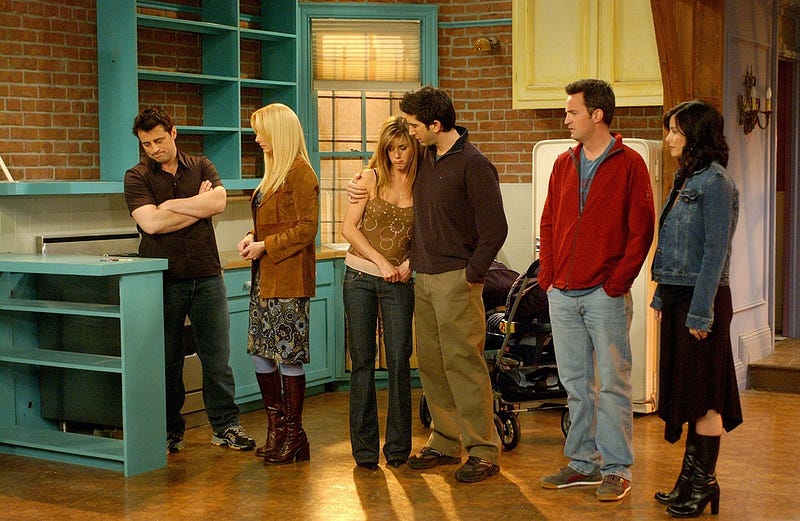
Several long-running multi-camera comedies have also famously nailed the landing over the past several decades. Friends overcame an uneven final season with a lovely outing that provided closure to every major relationship and most of the plot arcs. Sex and the City successfully pulled off a major tonal shift with the nearly laugh-free, but deeply moving finale that emphasized the profound growth of all four characters. The Golden Girls did perhaps the best job of any finale in history of leaving room open for a spinoff (however, ill-fated) while still creating a hilarious and heartbreaking closing episode. The final shot of Cheers, with Sam telling a tardy patron “Sorry, we’re closed” still resonates decades later.
And the blueprint for all series finales, either comedy or drama, remains The Mary Tyler Moore Show. In the finale, the hardworking news room staff all gets laid off, with the exception of the true weak link, bumbling anchor Ted Baxter. This plot twist played into the vein of dark and topical humor that subtly ran through the mostly feel good show and also gave the perfect setup for the ensemble to come together to say goodbye to us and the viewers. In what would become routine features of many series finales, the episode featured the return of long-lost characters (in this case, Rhoda and Phyllis, who had left the show years ago for their own spinoffs), an awkward group hug filled with laughs and tears, and the heartbreaking final shot of our protagonists walking off the set.
Even shows that had sluggish or uneven final seasons can rally for a particularly touching and inspired finale. Few will argue that the final seasons of The Office, ER, or Murphy Brown matched the quality of the shows’ early days. But their series finales are deeply impressive and moving hours of television.
Despite all these examples of terrific series finales, there is no formula for what makes for a satisfying one. But at the bare minimum, they require the show-runners to deeply consider what has made their show so long-running and impactful and how to underscore these elements while bringing closure to the relationships and plot arcs. And this requires consideration and respect for the investment made by viewers like me, who stick with them until the very end — even when they haven’t necessarily earned my loyalty.


