
It’s okay to be ‘not okay’.
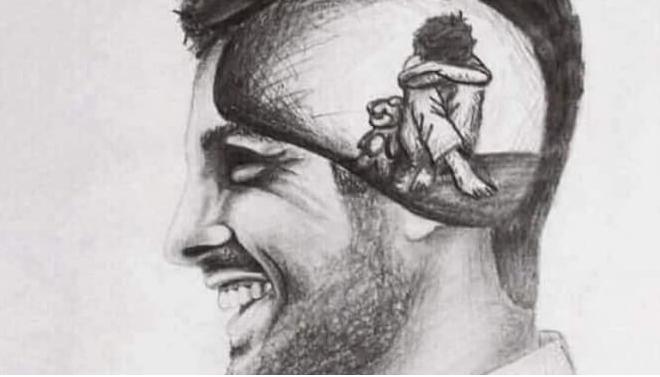
It can be scary to open up about mental health, particularly if you’ve been struggling with it for a long time. But doing so will allow the people in your life who love and care about you to be supportive and help. It will also give you the liberation of no longer living in fear of someone finding out about your struggle. In exploring alternative approaches to mental health, it is first important to understand what mental illness actually is. Most psychiatric survivors reject the term “mental illness” altogether, as it supports what is considered the “medical model” of mental health.
The medical model is based on the idea that there is a psychological impairment creating a neurochemical imbalance in a person’s brain, resulting in mental illness. Despite this popular perspective, it’s based on flawed science.
Every health problems have their own symptoms, so do mental health issues. Signs and symptoms of mental illness can vary, depending on the disorder, circumstances and other factors. Mental illness symptoms can affect emotions, thoughts and behaviours.
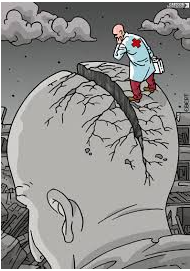
Examples of signs and symptoms include:
~Feeling sad or down.
~Confused thinking or reduced ability to concentrate.
~Excessive fears or worries, or extreme feelings of guilt.
~Extreme mood changes of highs and lows.
~Withdrawal from friends and activities.
~Significant tiredness, low energy or problems with sleeping.
~Detatchment from reality (delusions), paranoia, hallucinations.
~Inability to cope with daily problems or stress.
~Trouble understanding and relating situations and to people.
~Problems with alcohol or drug use.
~Major changes in eating habits.
~Sex drive changes.
~Excessive anger, hostility or violence.
~Suicidal thinking.
Sometimes symptoms of a mental health disorder appear as physical problems, such as stomach pain, back pain, headaches, or other unexplained aches and pains.
Let’s see what are the common types of mental illnesses:-
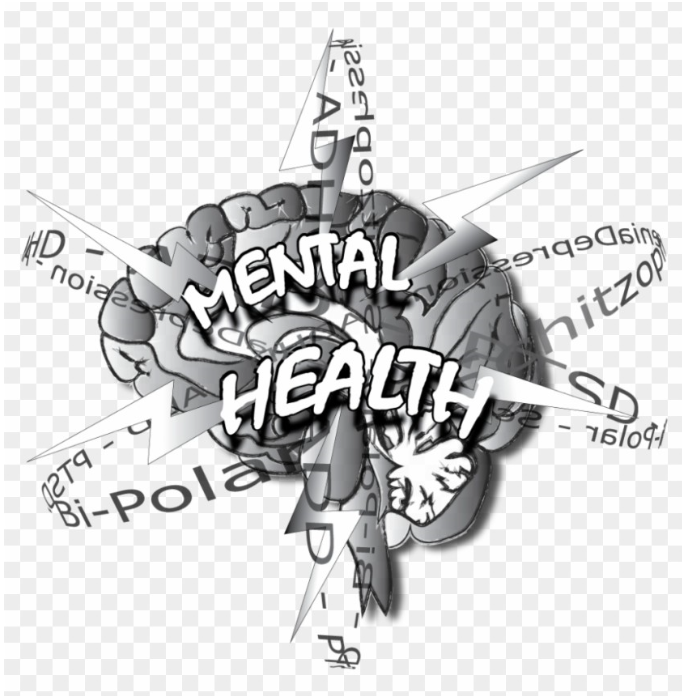
1. Clinical depression: the persistent feeling of sadness or loss of interest that characterises major depression can lead to a range of behavioural and physical symptoms. These may include changes in sleep, appetite, energy level, concentration, daily behaviour or self-esteem. Depression can also be associated with thoughts of suicide.
2. Anxiety disorder: a mental health disorder characterized by feelings of worry, anxiety, or fear that are strong enough to interfere with one’s daily activities. Anxiety disorder also includes panic attacks, obsessive-compulsive disorder, and PTSD.
3. Bipolar disorder: Manic episodes may include symptoms such as high energy, reduced need for sleep and loss of touch with reality. Depressive episodes may include symptoms such as low energy, low motivation, and loss of interest in daily activities. Mood episodes last days to months at a time and may also be associated with suicidal thoughts.
4. Dementia: is an overall term for diseases and conditions characterized by a decline in memory, language, problem-solving and other thinking skills that affect a person’s ability to perform everyday activities. Symptoms include forgetfulness, limited social skills and thinking abilities so impaired that it interferes with daily functioning.
5. Attention-deficit/hyperactivity disorder (ADHD): is a mental disorder of the neurodevelopmental type. It is characterized by difficulty in paying attention, excessive activity and acting without regards to consequences, which are not appropriate for a person’s age. Symptoms include limited attention and hyperactivity.
6. Schizophrenia: is a serious mental disorder in which people interpret reality abnormally. Schizophrenia may result in some combination of hallucinations, delusions, and extremely disordered thinking and behaviour that impairs daily functioning, and can be disabling. People with schizophrenia require life long treatment.
7. Obsessive-compulsive disorder (OCD): often centres on themes such as fear of germs or the need to arrange objects in a specific manner. Symptoms usually begin gradually and vary throughout life.
8. Autism or autism spectrum disorder (ASD): Autism is a pervasive development disorder. ASD refers to a broad range of conditions characterized by challenges with social skills, repetitive behaviours, speech and non-verbal communication.
9. Post Traumatic Stress Disorder (PTSD): is a mental health condition that’s triggered by a terrifying event- either experiencing it or witnessing it. Symptoms may include nightmares or flashbacks, avoidance of situations that bring back the trauma, heightened reactivity to stimuli, anxiety or depressed mood.
Talking about mental health
Talking about a mental health condition can seem intimidating at first, especially if you haven’t spoken about it before. However, talking to someone else can be of great help.
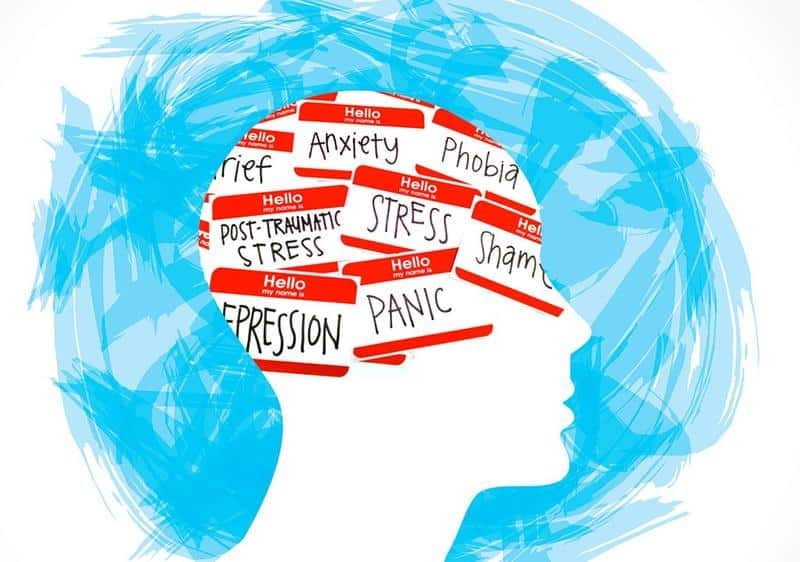
Who to talk to
Common choices are family or friends, but the choice is yours. You may decide to confide in your housemate, a tutor at college, or even a close colleague. Whoever it is, the person should be someone that you trust and feel comfortable confiding in.
If you’re LGBT+ you might find it easier to talk to someone who has had similar experiences. This could be an LGBT+ support officer or someone else who is, for instance, a lesbian.
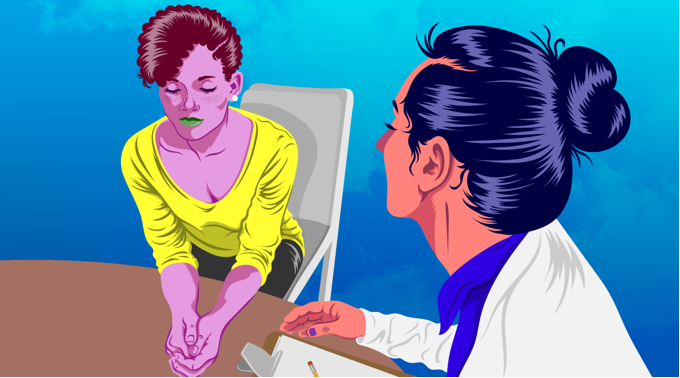
Beginning the conversation
You may feel that a face-to-face encounter is too scary right now. In which case, you can always send the person a message instead.
Regardless of how you begin the chat, you can say as little or as much as you want. You may want to simply say how you’ve been feeling lately, or you could decide that you want to share more.
If it’s hard to find the right words, you could find materials on the internet that show what you’re going through. This could be a short paragraph about depression or even a social media post that you feel captures what your experience.
Don’t worry too much
You may be anxious about what they’ll think, but try not to worry. In all likelihood, the other person will be glad that you’re talking to them and will want to know how they can help.
What can they do?
Once you’ve got a conversation going, there are all sorts of ways in which another person can help you. They could:
· Talk through how you’re feeling and listen to you
· Help you find information that could help
· Offer encouragement
· Help you manage your day-to-day affairs
· Reduce feelings of loneliness
· Offer continued support
If you really feel you can’t talk to someone in your life, then there are other places you can go to begin a conversation.
Also read!
.
.
.
Follow us on medium for more for Health, News, Education, Technology and their detailed analysis. Follow us on Social media to stay in the loop- Facebook| Instagram|Telegram Channel |Youtube|Twitter.