
It’s Not Uncircumcised
It’s INTACT (language matters)
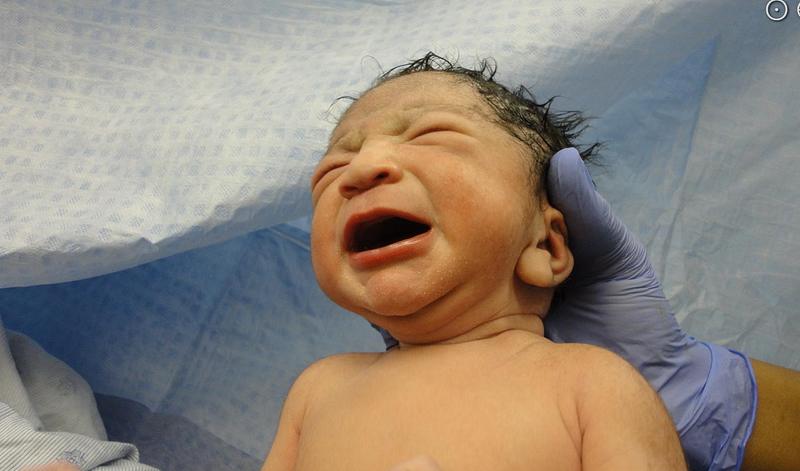
You’d cry, too. Oh, wait. If you’re a person of the male persuasion born in the USA and over the age of, let’s say 40, chances are very good that you did cry. You were probably strapped into a frame, had your arms and legs tied down, and had a (then) tiny but very important part of your body ripped away and cut off without your consent. You were maybe two or three days old. (Shoutout to Grace Ombry for the gentle tug on my coat about my use of language here where I have removed “snipped” which significantly downplays the pain and trauma of this unnecessary and unethical surgery).
And, yes, it hurt.
There is no lack of information pro and con regarding the surgical removal of the male prepuce shortly after birth. While most of the world is in agreement that the removal of the female prepuce is an unspeakable and barbaric practice there is a surprising amount of controversy around the fact that infant boys in the United States routinely have a vitally important part of their bodies surgically removed without consent.
And no, parental consent is not consent.
Let’s also note that under no other circumstances is surgery done prophylactically, especially on newborns. Those tired arguments for hygiene or looking-like-dad should be surgically removed.
Because this has been an entirely accepted practice in the U.S., it’s not surprising that the language is so biased and inaccurate. A penis that is lucky enough to retain its foreskin with all 20,000 nerve endings is mistakenly called “uncircumcised” in this country. Allow me to correct you in case you’re ever tempted to use that term and I promise to do so gently and with great respect. After all, we all had to learn these things at some point.
That penis is not uncircumcised. That penis is intact. As in unaltered.
Little boys’ penises are perfect exactly as they are. They don’t need to be altered in any way. When we refer to a penis — or anything else really — as being intact, that’s a good thing. And conversely, things that are altered are altered because they weren’t right in the first place. But having already established that infants’ penises are perfect as is, where would anyone get the mad notion to alter them?
We can lay that at the feet of some wrath-filled desert god or that whack job in Battle Creek, Michigan. Either way, it’s men who thought this one up. Ouch, guys! Why?
We will probably never know the answer to that one. But as activist groups such as Bloodstained Men and The Intactivist Circle push back against this wholly unethical medical practice, the day is coming when more penises in the U.S.A. will be intact than are circumcised.
And that is a very good thing indeed. But, hey, let’s start with getting the language right, k?
© Remington Write 2020. All Rights Reserved.
Are we a bit, shall we say, preoccupied with this topic? Oh yeah!


