
It’s Good Business to Fire Bad Clients
Remove the bad worms before they eat your time and profits
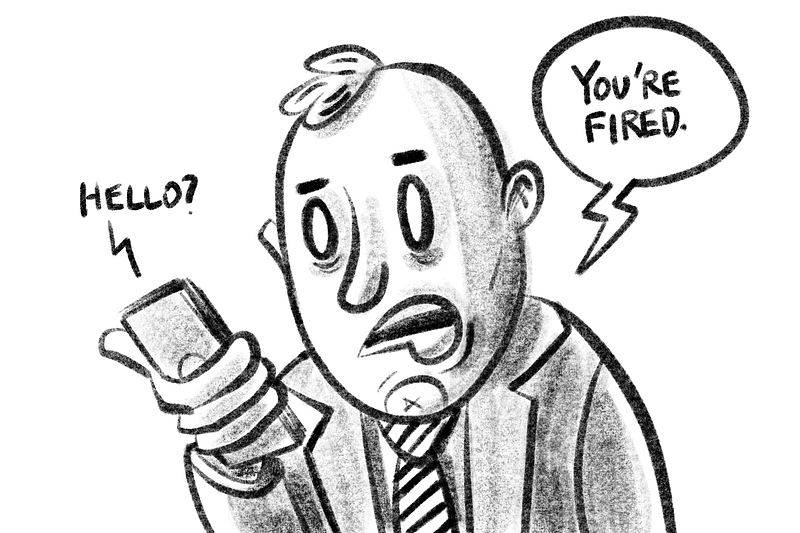
I’ve had my share of bad clients. I’ve learned the hard way that as an entrepreneur, project boundaries should be written upfront and signed by both parties. Even so, bad clients will find you.
It’s easy to suck it up when the alternative is turning away the work or fearing that you might miss out on a paycheck. I had this mindset for a very long time, and looking back, knowing what I know now, parting ways was the best option.
It may sound counterintuitive, but I know from experience it is not. I watched my profits increase, and my level of stress decrease after firing my bad clients.
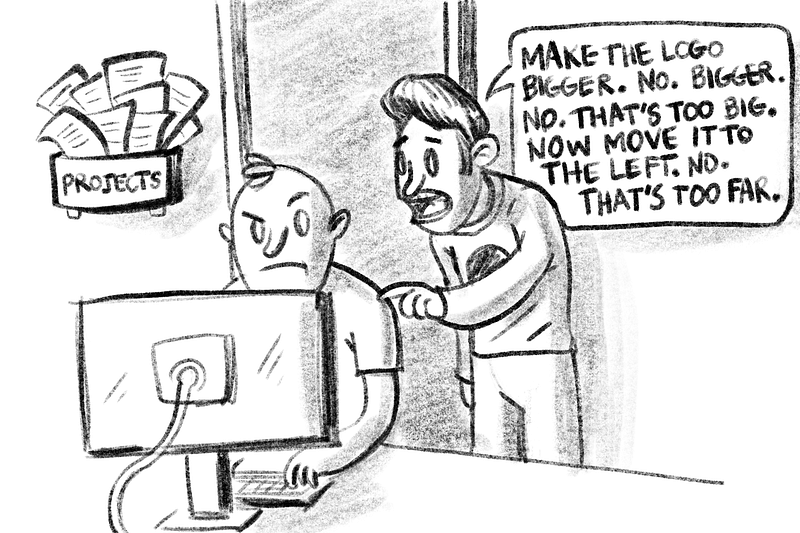
Let me explain. On an average week, self-employed workers only have about 30–32 hours of billable time. If one or more clients take up most of that negatively, they’re eating away at your profits. Let’s say you’re charging your client, Butter, Toast & Jelly, and your other client, Doo-doo On A Stick, $1000 for the same 2-hour job. If Butter, Toast & Jelly understands the value of your skill, your experience, and sticks to your agreement, the work goes smoothly and delivers on time. You’ve made a profit. Whereas if Doo-doo On A Stick requests multiple changes, is disorganized and keeps questioning what they’re paying you for, they turn the same 2-hour job into an 8-hour job. You’re not only hemorrhaging profits now, but you’re increasing your stress level and taking time away from your excellent client, Butter, Toast & Jelly. You’re better off firing, Doo-doo On A Stick, and replacing them with another client like Butter, Toast & Jelly.
How do you know if you’re servicing a bad client? It’s usually pretty easy but just in case, here’s a rundown of the most common culprits:
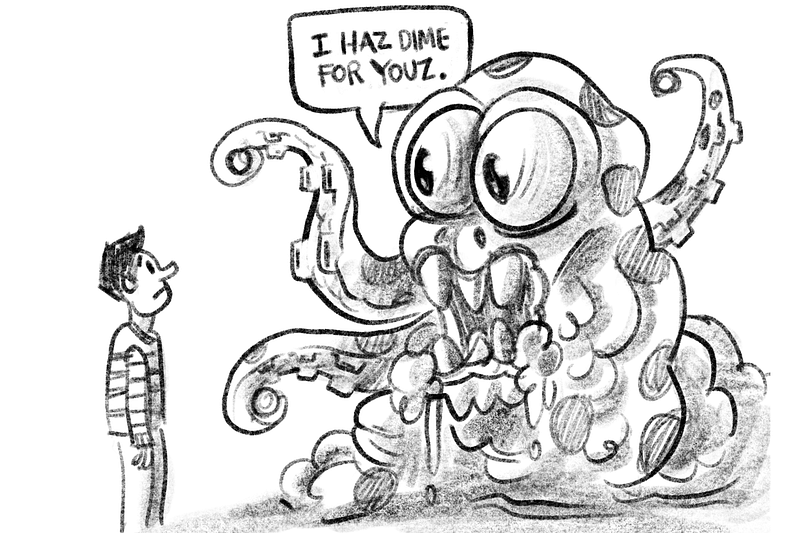
Dem Greedy Monsters
These are the clients that always want more for less. They offer to pay with exposure, or haggle with your pricing every step of the way. They don’t recognize your value, and if they still don’t after sitting with them and explaining it repeatedly, it’s time to say, “Arrivederci!” Invest your time in clients who understand the value of what you’re offering, and can agree to your rates.
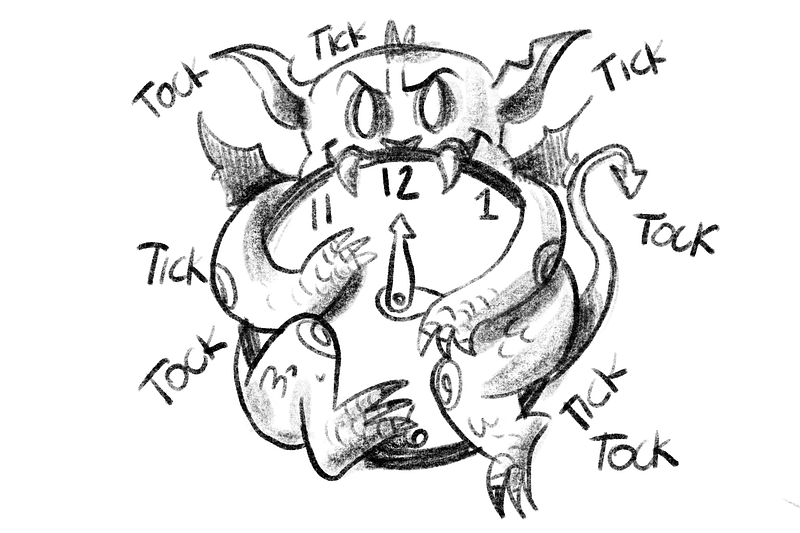
The Time Vampyr
If your client is not sticking to your timelines or asking for unrealistic deadlines, or continually failing to meet theirs, it might be time to say, “Aloha!” These time-suckers tend to either prolong projects or shovel, “Drop everything we need this by tomorrow!” deadlines on your lap. Some will take your time in more subtle ways, like filling your inbox with emails or repeated phone calls or missed deadlines. You find yourself losing time, babysitting them as their requests keep piling up. Slowly they start to encroach into the time you had blocked for other clients, and your work begins to suffer. Fire them and stop the bleeding as soon as you can. Time is your most precious resource.
The Knows It All
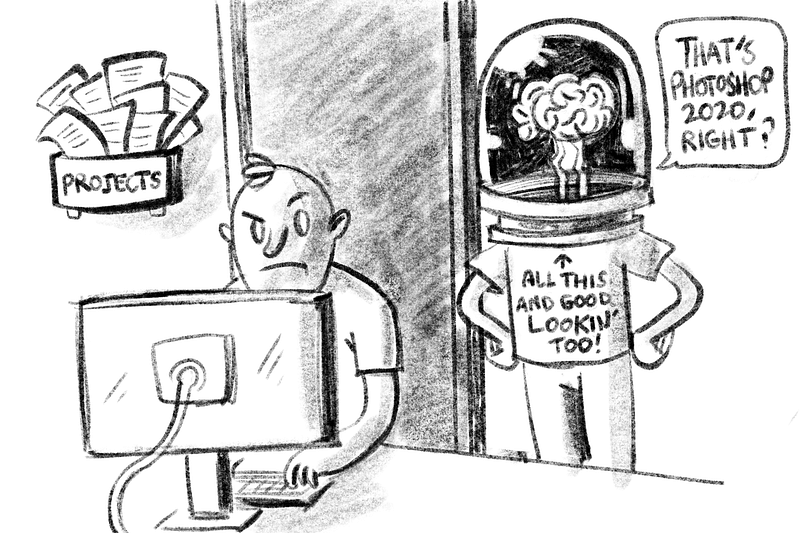
You know the types. They don’t take your advice, always have a suggestion to top yours, have a keen interest in what software you’re using, and if it’s up to date. Clients hire professionals for their expertise; however, the Knows It All will continually undermine your strategies and advice. It’s a tell-tale sign they are not on the same page. These clients often can’t figure out what they’re paying you for, or have an uncle, sister, or friend who own your equipment/software and can do the same job for less. If your client isn’t listening to you or your advice or downplays your value, it might be time to say, “Goodbye.”
The Abuser
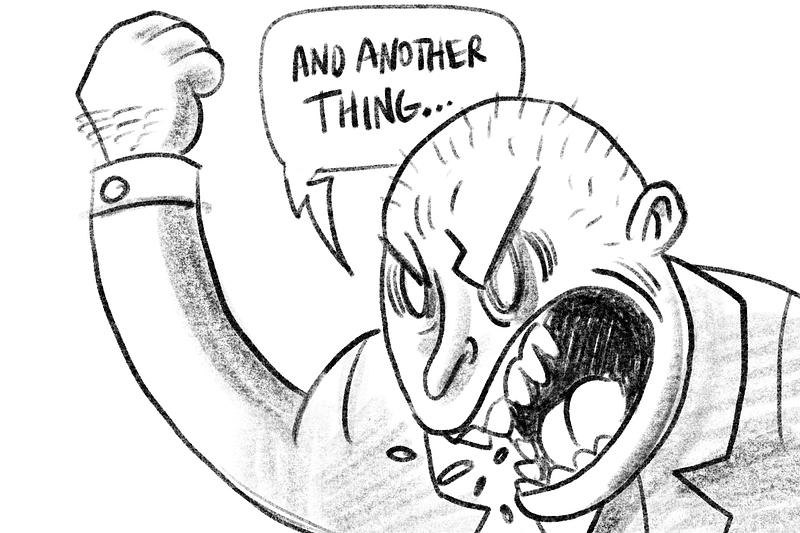
These clients are more than just picky; they’re downright nasty. If your clients are abusive, yelling at you, or calling you names, don’t waste another minute. It’s time to say, “Adios!”
The Staller
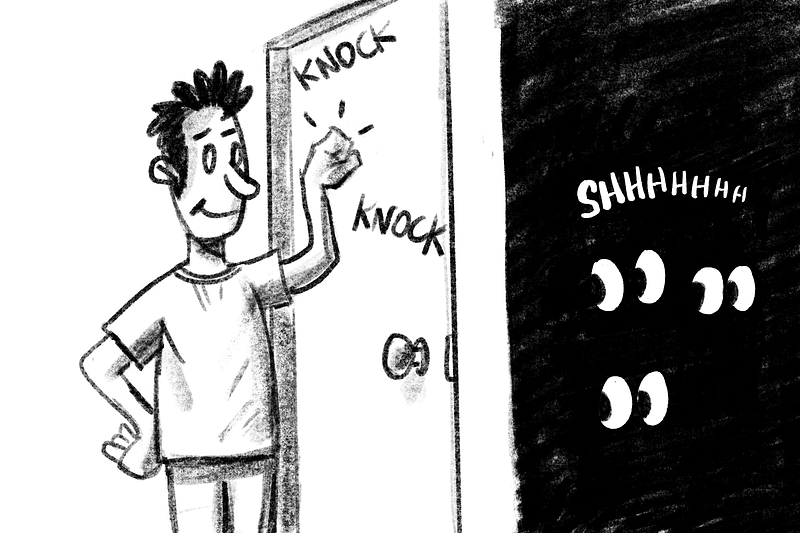
This client never pays on time or doesn’t pay at all. They won’t answer or return your calls either. I get it. We can all run into financial problems, but your bills and survival are essential, too. If you find your clients aren’t paying you on time or keep stalling, it may be a sign they’re going through tough times. Or worse, they don’t want to pay you. Try and collect what they owe you and then extract yourself from doing further work with them. Your time is limited, and you don’t need to spend it chasing money owed you for completed work.
Taking Care of Business
If one of these culprits is lurking in your project files, and it’s time to let them go, here are some suggestions on how to do that without tarnishing your reputation.
Try to Salvage the Situation
Reiterate your goals, the project scope, and make sure you’re still on the same page (or not). When submitting a proposal or outline of the work, include your stipulations, i.e., number of revisions, hours, meetings, etc. It’s best to have these on something the client can sign, so the agreement can be re-visited when things start to awry. Offer amicable communication and see if you can get back on familiar ground, address the issues, and resolve them. If this isn’t working, move to the next step.
Empty the Queue
Complete all the work owed to the client. Deliver it, invoice for it, and tie up any loose ends before taking the final plunge.
You’re Fired
Now comes the tough part, letting them go. You can take a couple of approaches here:
Raise your rates. Raise them by a considerable amount. Something you don’t think they’ll pay. Tell them you are busier and your time is in high demand. Hopefully, they’ll decline, and if they don’t well now, they’re paying rates that might give you the resolve to put up with them.
It’s not you; it’s me. Tell them you don’t think you’re a good fit for them. Explain that you don’t believe you’re offering them the value you think they deserve and, therefore, would like to withdraw your services.
Send them a letter. If you don’t want to try either of the above or don’t want to make the dreaded phone call, send them an email to let them know. Keep it brief and professional. Take the; “it’s not you; it’s me” approach.
Request advice from the Google bots. If you search the world wide web for “firing your clients,” you’ll get several results with scripts and instructions. Make sure whatever you choose is amicable and doesn’t burn your reputation.
Leave on good terms
Whatever step you take to sever your ties, do it amicably. You don’t want word spreading that you’re the contractor or agency who threw a tantrum or resorted to insults and demands. Word of mouth travels fast today, and you never know; someone who liked you and worked there may move to another position and remember you. Best, they recall you positively.
Give them time
Finally, please provide them with a warning that you’re ending your working relationship after tying up loose ends. Allow them to find your replacement or, better yet, refer them to another agency or contractor.
Firing a client isn’t fun, but it is vital to keeping your business growing positively. Try to resolve the problems as they arise, but if you can’t, fulfill your obligations and extract yourself professionally while keeping your reputation intact. From experience firing my bad clients has opened doors to better clients that dramatically improved my business its profits, and reduced my stress.
https://readmedium.com/theres-no-point-in-a-great-logo-if-your-brand-sucks-7886c93c5092