It’s Far Too Hard To Be An Independent Woman
Let’s look at the myths and meaning of being independent
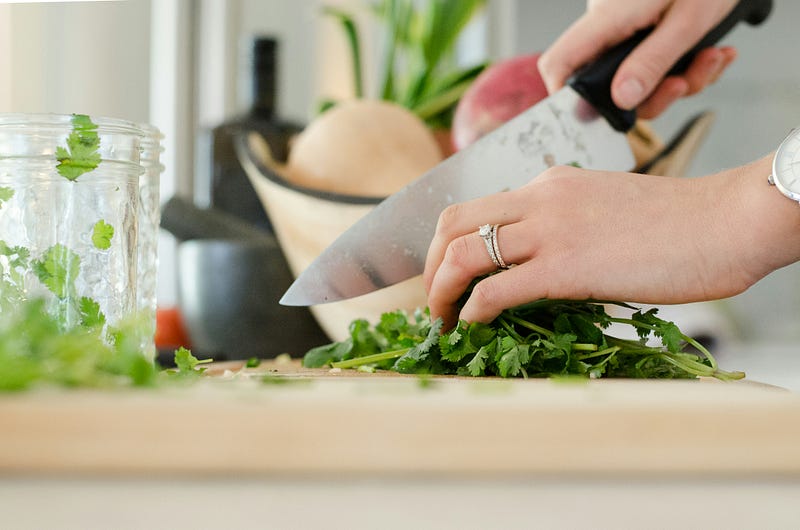
Women work, and some women earn money for their work. Some even manage their whole office, entire households, and every aspect of their lives from romance to stock portfolios.
We sometimes call these ladies “super women.” As always, there are critics of women being too independent, and of women not being independent enough. There are real cultural reasons for this.
Until very, very recently, women were not given the option of being independent. Having no control of one’s health and body was just one reason, having no control of finances was another. There are “religious” reasons for women’s limited roles.
Things have changed. But even now, women certainly don’t run the nations, the pope-ship, the sports, movies, banks, or the media outlets of the world.
This last one is important because control of the media is control of the narrative. But, clearly, all of the above fields dominated by men do not empower very many independent women.
If a powerful billionaire wants to go to space, he better not be she.
Until all people are equally free, women (and also a great number of men) are dependent upon systems that sometimes allow, sometimes accommodate, and sometimes barely tolerate the wannabe independents — or independence — of persons in the world.
It’s extremely challenging to go up against the established system, but women strive on.
Having a voice one word at a time
It’s hard, and sometimes feels futile. There are cultural backlashes that do leave some casualties. This does not mean we should not strive for independence. But we must look at the systems we are now embedded within in order to see where we are and where we are going.
Let’s just look at one field: politics. Even most men cannot run campaigns based on what they feel is morally, financially, or socially right. In the USA we have a two party system. Binary is the rule and a basic human shortcut that keeps people choosing sides. Choosing sides drives the drama that drives the news cycle.
A person can run as an independent, but she will almost certainly lose. There is too much money in the system, too much demand for certain power, and too much tradition in our indoctrinated ways.
It would not be shocking for a woman to become president, but it is more likely to happen if she represents womanhood without being a ruthless, abrasive, sexually predatory, or loud person. She will be lady-like in her politics, and even then, she may still be called ineffective, shrill, or unlikable because people care, and judge, very unconsciously about gender, sex, and gender roles.
Independence in the work place
Many women are managers. But most began as mothers, maids, cooks, clerks, and to this day many women who are managers are still filling those other roles at home.
Some women are opting out of marriage partnerships to be free of this. But, that doesn’t work. Somehow, some way, they need food, clothes, child-care, or an organized household to be managed. This is not possible without the support of many other women to do these tasks. There are a few men willing to be homemakers, but many men rebel at the very notion. This should tell us a lot about how supportive work is valued — which is to say, it’s not.
There are trends popping up that declare women don’t need men, or men can go their own way and not need women. This is ridiculous at its base until robots do all the food production, maintenance, nurturing, and relationship support.
Collaboration and cooperation is not just wise to save the world, it’s an absolute necessity for women and men to get along.
The point of this article is not to blame women for failing at independence. My mother held three jobs, including household management. She did more. She earned more. She nurtured more. In terms of being independent, she was as close as our society allowed, and yet, our systems still need serious reform.
Because women are strong, brave, and determined, I believe Independence Day will arrive because we cooperative human beings will usher it in.
Please follow, clap, highlight, or comment for Rivers of appreciation!
For more stories about gender equity, follow Fourth Wave. Have you got a story or poem that focuses on women or other challenged groups? Submit to the Wave!