
It’s better to play nice. This is why.
Being nice is hard, but it’s a lot better than being a miserable.
by: E.B. Johnson
Try to remember the last kind deed that you performed for someone else. If you can actually pinpoint one specific act — congratulations, you’re a nice person! To everyone else, we have some cleaning up to do.
We live in a brutal world. Modern life is cut-throat and brief, with a million different uphill battles you have to face every day in order just to exist. Life is hard, and it makes us hard too; but when we forget to be kind to others, we forget to be kind to ourselves.
Despite what society and the world might tell us, it never pays to be an a**hole. What does pay, though, is developing kindness and applying it to a world that seems to hurt more than it heals.
The becoming.
When you find yourself becoming more of a Scrooge than you intended, the reason is often due to an attribution error.
An attribution error is basically the thing that makes us so judgemental as humans. It’s our tendency to over-emphasize the contribution of someone’s personal characteristics on negative outcomes, rather than the external factors that contributed.
For example, when we see a child act poorly in public we often blame the parent and who they are as a person for the child’s poor behavior. We rarely stop to consider what health or environmental factor’s could be encouraging the child’s violent outbursts and tantrums.
We do the same thing when it comes to the good things happening to the people around us. When someone succeeds while we’re floundering, it becomes easy to blame their success on someone or something else, rather than attributing it to the hard work they put in (which you perhaps didn’t).
Our jerkish nature comes from our insecurities. It comes from seeing others do the things we know we cannot do or the things we cannot understand. Being a jerk is to be continually on edge, continually uncomfortable in your own skin. It’s also to make excuses, and to project your flaws onto others.
It’s understandable. When the world takes your power away, you seek to become empowered again — but being a jerk isn’t the way to get true power and it’s most definitely no way to empower yourself.
The empowerment trap.
Anger feels good. Lashing out makes us feel empowered. Whenever we’re feeling buried under life’s unending struggles, we look for the quickest and easiest thing that will make us feel good.
This need to feel good again can manifest as negative behaviours like drug and alcohol dependency, but it most often manifests in our personality; shutting us down and making us cold and callous, disconnected from the things and people that matter most to us.
Anger might feel good and being mean to people might make us feel temporarily “avenged”, but the feeling is empty and it won’t bring us any closer to our ultimate truth. Our feelings can propel us into quick action, but this is often hazardous and corrosive to the people and relationships that compose our day-to-day lives.
Negative feelings are dangerous not only to our peace of mind but our health as well and — though lashing out makes you feel good for a while — it ultimately takes a toll on your heart, immune system and even your brain.
We all drift into the muck, but with a change of perspective we can shift our thinking and change the way we treat ourselves and others.
The art of kindness.
Kindness is doing something for others (or yourself) with no expectation of reward in return. True kindness comes from a place that is whole and selfless in nature, and it is accepting in every facet of its existence.
Kindness has a strong effect on your personal wellbeing and the decisions you make in your life. It is an art form, one which lowers your stress levels and even gives your immune system a boost. Kindness promotes tranquility in our lives and the lives of those around us and it is, without a doubt, one of the most power characteristics of human spirit that exists.
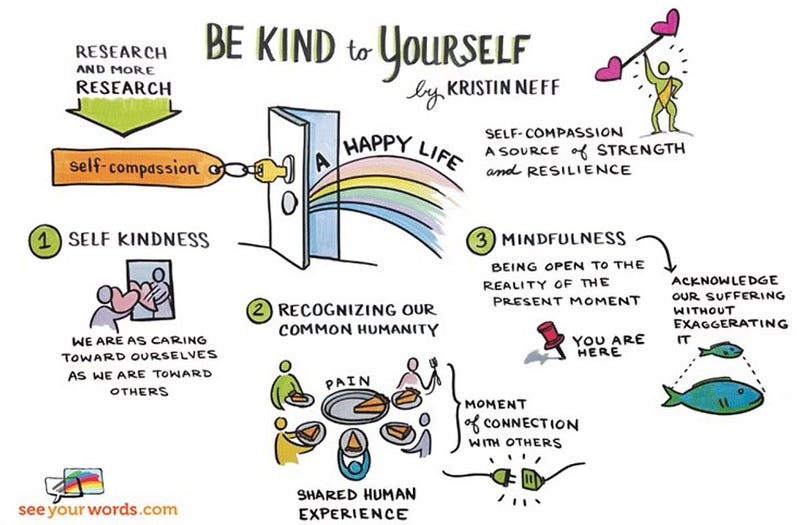
Kindness can transform you into a beacon of inspiration and happiness, but it takes time and it takes commitment each and every day. When we allow kindness to change us from the inside out, it’s powers are far reaching and the possibilities are endless.
Consider all the people in your life and consider all the little things you could do for them to brighten their day. It only takes one small, selfless action to change the course of history for a single person. All it tales is a little effort and creativity on our part to make sure this kindness exists in the world.
Extend your kindness to strangers as well as yourself and you’ll start to see changes in the environment around you.
The proven ways kindness can improve your health.
It’s not all hocus-pocus. Being nice to other people doesn’t just help you “make the world a better place,”; it actually improves your health.
The feel-good hormones.
When we’re nice, we actually get a hit of that endorphin-inducing darling, serotonin, a chemical which makes us feel good. Just like exercise, when we’re kind to those people around us, we get a “helper’s high” which makes us feel good about ourselves and the directions we’re taking in life.
Volunteering, buying someone that surprise coffee or just offering up something to someone in need is often just that pick-me-up we need to pick ourselves up by our bootstraps.
Boost your immune system.
Inflammation in our bodies can cause all sorts of problems and it’s brought on by all sorts of conditions like heart disease, obesity, cancer and chronic pain.
According to some studies, the natural oxytocin generated by acts like volunteering can actually help fight inflammation in the body and give our immune system the boost it needs to fight bigger battles.
Reduce stress.
Our anger and our nastiness is most often a defence mechanism, meant to protect us from the situations and people that are harmful to us. Being mean is a double-edged sword, however, and actually does more to make us anxious and buried in stress.
Kindness is the easiest way to reduce stress.
When we help others outside of ourselves, it actually allows us to take a break from the stressors in our own lives by focusing on those in need instead.
Behavior that builds relationships (also known as affiliative behavior) is an important component of coping with stress, but we have to be proactive about engaging in it.
Ease anxiety.
It’s hard not to be anxious in today’s society, but we can ease our anxiety by being kind to others.
According to a study conducted by the University of British Columbia, those who engage in kind acts experience significant decreases in the factors that cause anxiety. Over four weeks, researchers studied participants who engaged in random and staged acts of kindness. Through these acts, they found that several factors contribute to our moods and the anxiety that is caused by these emotions.
These factors (referred to also as positive affects) refer to our experience of positive moods such as interest, joy and alertness. During the study, researchers found that those participants that engaged in positive acts actually experienced a substantial increase in positive affects, which drove them to greater feelings of happiness and self-satisfaction.
When we feel good about ourselves, it’s easier to shed our anxieties and feel at ease in our own skin. It’s not easy going, but learning to ease our anxiety starts with a look inside and a concentrated effort to feel better through action, rather than inaction.
Good for your heart.
According to Dr. David Hamilton, being nice isn’t just good for your immune system or peace of mind, it’s also good for your heart.
Being kind helps our body release oxytocin, that feel good chemical we talked about earlier. This oxytocin causes a release of nitric acid in our blood vessels, which expands the blood vessels, reducing blood pressure and therefore strengthening the heart.
Help you live longer.
You might think it’s only the crotchety old devils that live forever, but you’d be wrong. Being kind actually helps us live longer and that’s proven by science.
When you’re mean, you’re at greater risk for heart disease and you also lose the strong and meaningful relationships that help us stay healthy (mentally and physically). A strong network of family and friends is the true fountain of youth, but it sometimes takes some work to put it all together.
The 7 habits that all truly kind people cultivate.
If you’re not one to whom natural and unprovoked kindness comes naturally, then there are some core habits you can focus on to boost the niceness in your life.
While kindness can look different from person to person, there are 7 core habits that all truly kind people cultivate in their lives. Learn from their lessons and you can build up kindness in your life. It’s just going to take a little recalibrating.
1: A habit of gratitude.
Those who are kind are those who are grateful for the things and the people they have. This doesn’t mean they don’t look toward the future with hunger; no. It simple means that they know how to appreciate the good things that already exist all around them.
They open their arms wide to life and all its blessings and challenges. They know that every circumstance is a lesson and every lesson is a chance to grow. Those who are grateful view every situation as a glass half full, and they can acknowledge their faults and love their strengths as much as their weaknesses.
Developing a habit of gratitude will allow you to cultivate a practice of being kind. You can’t have one without the other, but you can grow them both at the same time.
2: A habit of respect.
Consider the kindest person you know in your life. When they were faced with viewpoints that were contrary to their own, how did they react? Most likely with a stoic show of respect.
Kind people are people who know how to respect themselves and those around them. They accept that everyone has a right to their own viewpoint and would never sink to shame or embarrass someone just to make themselves feel better.
Those who are kind thrive on diversity, just like those who are hateful thrive on small, sad little existences with high walls. You can choose to be one or the other, but only one pass yields true happiness and enlightenment.
3: A habit of personal kindness.
People who are kind aren’t just kind to others, they’re kind to themselves.
Being kind means being spontaneous and generous with yourself as well as the people you love and respect. To have a solid store of the energy you need to deal with others, you need to deal with yourself, and that starts with a kind word and a little bit of understanding.
Meet your needs first and then you can meet the needs of others. Remember: the true gift of change starts on the inside.
4: A habit of laughter.
Do you know a truly kind person that scowls all the time? You might, but odds are the kindest people you know in your social circles are the ones that are full of laughter — even when times are hard.
Kind people know the power of laughter and they know how to use it (appropriately) to change a situation for the better. It might seem superficial, but finding the humor in situations is one of the best way to survive them. When we can find the irony in something, we can find our power through it. Lifting the mood is sometimes the greatest gift we can give to ourselves and those around us.
5: A habit of listening.
Even when they have something they desperately want to add, a truly kind person will wait and allow others to say their peace.
Those who are kind know how to listen, whether it comes to their family members, their co-workers or a stranger. Being kind means you understand what it means to feel heard, and it also means committing yourself to listening when others speak.
Connect fully and be present when someone is sharing someone with you, no matter how small or inconsequential it might seem. When we listen with interest, intention and acceptance, we no longer need to censor or talk over others…and that’s where the real connections begin.
6: A habit of confidence.
People with big hearts are the one’s who know the depth of their love and the value of their existence.
Self-confident people can allow themselves to be loving without expecting anything in return because they have enough love to share with themselves.
Kind people look for opportunities to give someone a chance, because they know their strengths (and their weaknesses) and they know they can survive, no matter what. Being confident in yourself allows you to drop the walls and be kind with others, but we have to learn to love ourselves in order to master it.
7: A habit of genuine care and concern.
When you are kind, you truly care about the welfare of others and how they are getting on in their lives. You want the best for people strictly because they’re people and not because of anything they can offer you in return.
Those who are kind pay attention to the happiness and wellbeing of the people who are on their mind and they reach out to them, regardless of how well or poorly things are going. They want to know how your day went and how your mom is, and they ask questions to get the answers they’re curious about.
Kind people respect personal boundaries, but they want to be a part of the lives of their friends and family and make a concentrated effort to do so. While kindness is a natural human trait, present in us all, it sometimes takes a little commitment to get to.
Putting it all together…
It never pays to be an a**hole, but it does pay to be kind. When we work to develop a practice of kindness in our lives, we can transform it in some truly unexpected ways.
Being nice to those around us isn’t just good for our reputation and social circles, it’s good for our health. Practicing kindness can boost your immune system and even your heart, helping you live a longer and happier life.
We can develop a practice of kindness in our lives by focusing on the habits that bring out the best in ourselves. By learning how to listen, laugh and engage with the world around us, we can get back in touch with the things that matter and organically boost the level of happiness in our lives.
Kindness is inherent, but it takes commitment and it takes work and time to cultivate — especially in this dog-eat-dog age. Transform your life by making the effort to put a little kindness back into your life and the world.
After all, if there’s anything our world could use more of…it’s kindness.


