
It’s a scam in any language.
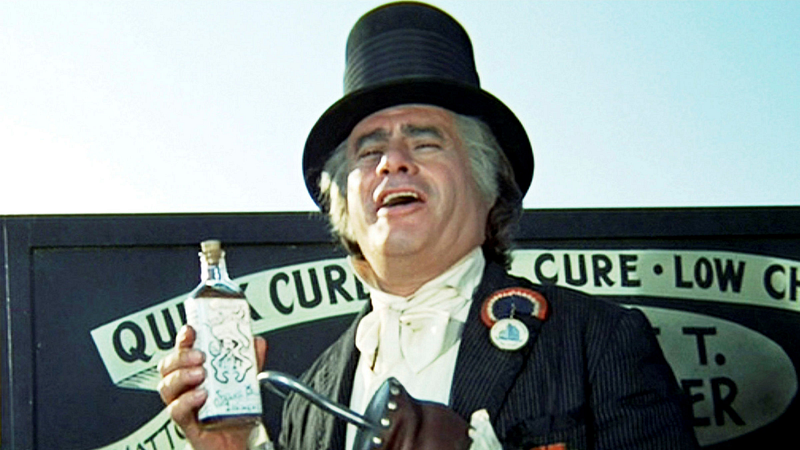
Scam — Fraud — Snake Oil or Con Artist
Call it what you will, but I am so sick to death of them.
I am sick of hearing about them
I am sick of avoiding them
I am sick of people who think it is ok to be a part of them.
Worldwide, over 5 trillion each year is scammed by people from both people and businesses. WTF!!!!!!!
Definitions
Scam = a dishonest scheme; a fraud.
Fraud = an intentionally deceptive action designed to provide the perpetrator with an unlawful gain or to deny a right to a victim.
Snake Oil = a product, policy, etc., of little actual worth or value promoted as the solution to a problem.
Con Artist = a person who cheats or tricks others by persuading them to believe something untrue.
Psychology of the scammer
People from developing countries often carry out today’s most common online scams. These countries and their government officials are generally regarded as corrupt by international corruption indexes. Such corruption conveys the message that deception is a desirable strategy. Poverty combined with high corruption contributes to a heightened motivation to deceive others for survival.
The criminals in question tend to have traits of psychopathic and antisocial personality disorders. Research has investigated illegal downloading and hacking in adolescents from 30 countries. It was found that “cyber deviance” mainly was carried out by males and by people who experienced “school disorganisation” (stealing and vandalism) and “neighbourhood disorganisation” (having untrustworthy or criminal neighbours).
These “cyber deviants” tend to have elevated cognitive ability and have access to computers and technology. This type of fraud is often well planned, and the fraudsters employ a range of deceptive tactics. (The Conversation)
Before the internet
The first recorded scam:
Financial fraud dates back to 300 B.C. when a Greek merchant named Hegestratos took out a comprehensive insurance policy known as bottomry. The merchant borrowed money and agreed to pay it back with interest when the cargo — in this case, corn — was delivered. If the merchant refused to pay back the loan, the lender could claim the shipment and the boat used for its transportation. Hegestratos planned to sink his empty ship, keep the loan, and sell the corn. The plan failed, and he drowned trying to escape his crew and passengers when they caught him in the act. (Investopedia)
Love — true story
You may be one, or you may know someone who has been scammed.
I know someone who lost $29,000 (Australian dollars) to a love scam. You know the ones on the news and talked about all the time. I want to come to see you; my funds are trapped. Blah blah blah.
You may think to yourself, ‘how could anyone be so stuipd’! Yet every day and in almost every country, someone gets scammed by a love interest.
Catfish = the film, the docuseries
Anna Delvey = the life
The Tinder Swindler = the man
On Instagram, you may have received a message that seems to be from a brand you follow, telling you you won a competition. Now they are asking for your financial details to get your prize.
Or you may see a brand you are following sharing accounts that are copying them and are fake accounts, then if you see them report them as fake.
Religion
Religion in many forms has been used throughout the years to attract people who need to belong. This has led to many with extreme views creating cults and followers who will do anything for their leaders.
Daily we all receive emails promising awe and wonder. Millions and more are promised via email. Suspicious links with phishing scams are the perfect trojan door into our computers and phones.
Many are unsophisticated and easy to spot, and others are far more difficult to spot as scammers improve their tactics.
Have you been scammed, swindled or treated with snake oil? Tell me in the comments below.
Join Medium for unlimited reading or to earn money writing
If you enjoy reading my content, consider subscribing to my feed.
And if you are also a coffee lover, shout me one too.
Thanks, Kelly


