
Italian’s Family Dinner Staples Under Threat
Tragic Drought in Italy’s Food Basket
Italy’s Po Valley, which produces 40 percent of Italy’s food supply and popular Italian staples like Parmesan cheese, hams, wheat, rice, high-quality tomatoes, rice, Barolo, Barbaresco, and Nebbiolo wines, has had hardly any precipitation for 138 days causing economic havoc on farmers and consumers alike.
Without sufficient water, 60 percent of 2022’s Po Valley’s food crop was lost because water table levels on the rivers are too low for agricultural irrigation. The area is facing damage to the tune of 6.2 billion Euros.
The 650km Po River, home to Largemouth bass, Bowfin, and Chain pickerel, runs from the Alps through the Po Delta and then onward to the Adriatic Sea, (from the northwestern city of Turin to Venice) has dipped three meters lower than before. Fishermen can now step out onto a river bed and sand sediment in the middle of the river to fish what is left of a dying river. Sadly, the increasing low water table has caused river water to be replaced with seawater. Seawater has destroyed and will continue to destroy the remaining crops.
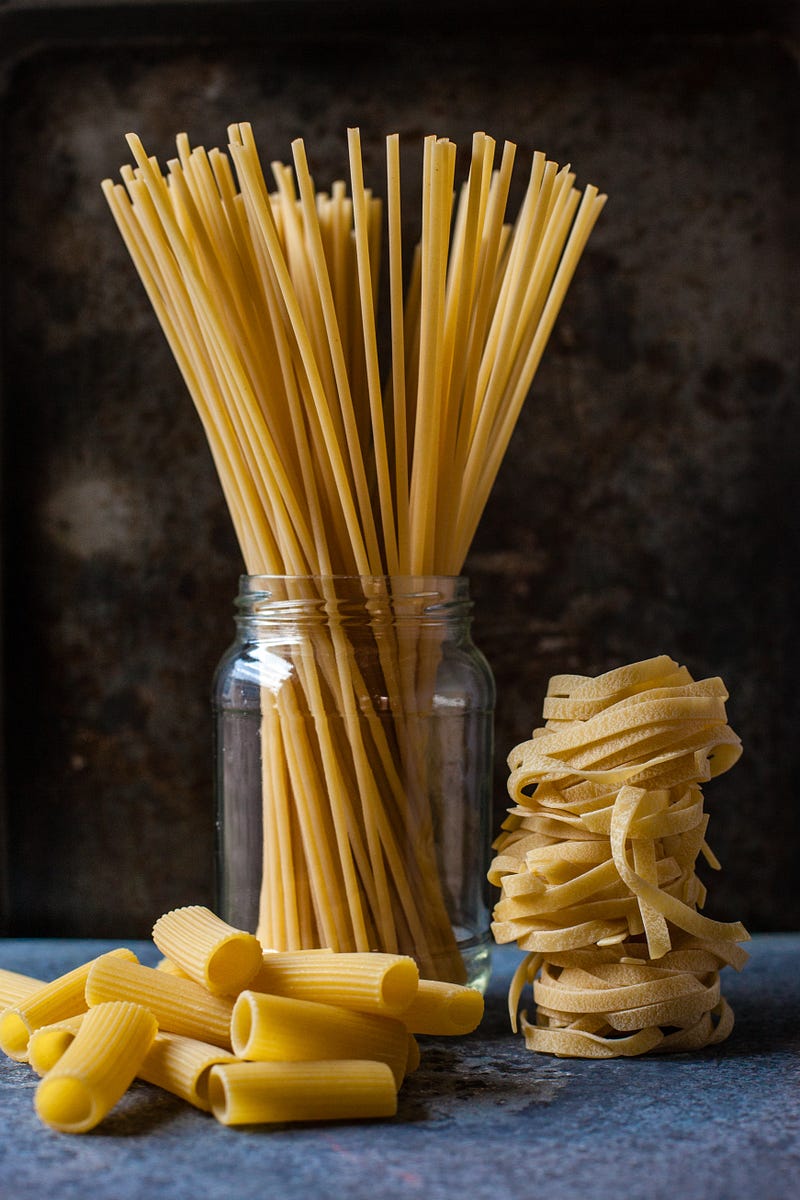
The Po valley is the home of durum wheat, the essential ingredient of pasta. Because of the increase in heat indexes and low water tables, the cost of pasta has risen 50% — distressing Italians where it hurts the most — the family table.
Italians eat approximately 23 kilograms of pasta annually — that’s 51 pounds of pasta. For a family of seven like mine, this is 357 pounds of pasta. According to a 2022 Coldiretti Study, the increased cost of pasta will have Italian families dishing out over 8.1 billion euros for traditional Italian food staples.
Think lasagna, ravioli, rigatoni, Focaccia, Ciabatta, pizza, bruschetta, Castagnaccio, Biscotti.
The death of Italy’s Food Basket is tragic to Italians and Italian Americans alike, whose family dinners center around pasta, tomatoes, cheese, and wine.
Grazie per l’attenzione nel leggere questo.
For more information, please watch.


