It Wasn’t Raining When Noah Built the Ark
Preparedness and Procrastination
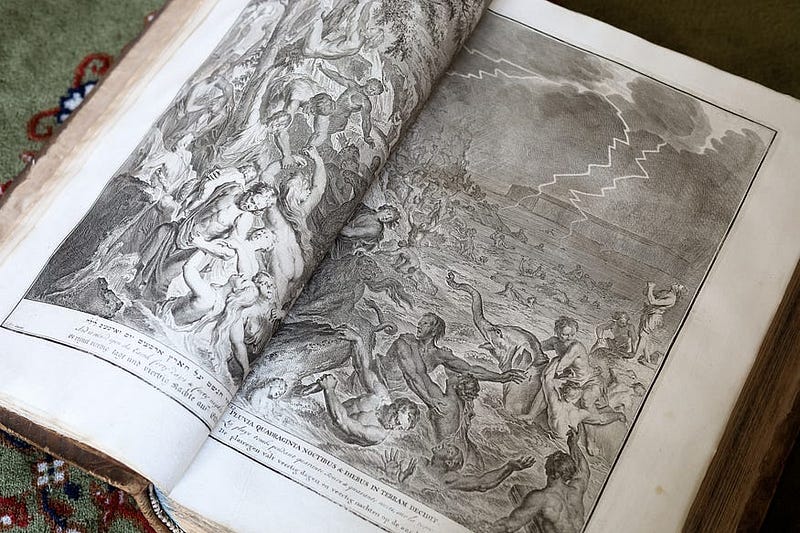
“It wasn’t raining when Noah built the ark," says Richard Cushing.
Noah’s Ark—a symbol of foresight and decisive action—tells the story of a man who, in response to divine warning, built an enormous ark to save himself, his family, and a multitude of animals from a catastrophic flood.
When Noah built the Ark, there wasn’t a single raindrop in sight. A powerful metaphor for how we approach readiness in our own lives—do we wait for the storm to hit, or do we take proactive steps to safeguard ourselves even in the calm? It's a gentle reminder to recognize the importance of foresight and preparedness as essential components in navigating the unpredictable journey of life.
Many people tend to put things off, assuming that there’s always time to prepare for the future. We procrastinate on tasks like emergency planning, financial security, or even personal health.
Imagine, for instance, the student who waits until the night before a big exam to start studying or the homeowner who ignores a leaky roof until the rainy season arrives.
The procrastinator’s list is endless.
Delay starting a new exercise regimen or adopting a healthier diet until your body decides enough is enough.
Delay budgeting, saving for retirement, or paying off debt until your golden days are knocking at your door.
Delay seeking new job opportunities, networking, or developing new skills until you’re in a professional rut.
Put off scheduling doctor’s appointments or seeking medical advice until the disease becomes chronic.
As Noah’s neighbors might have scoffed at his construction project, believing it to be unnecessary, some of us too often underestimate the potential risks we might face.

Then there are preppers
They are the extreme groups situated at the opposite end of the spectrum, always consumed with thoughts of the worst-case scenario. Survivalists are convinced that the end is imminent, and a sense of doom looms over us all. Then there are the more common preppers, individuals who simply aim to be ready for any situation. They meticulously store months’ worth of food and water, possess generators and solar panels to maintain power, own firearms and self-defense ammunition, and keep bug-out bags packed and prepared for an immediate departure if needed.
So how much is too much?
I had a friend who stored kits that were required for cremation ceremonies just in case someone died in her house.
Now that’s a bit too much.
Being prepared can give you peace of mind and make you feel more in control of your life. It can also help you to be more resilient in the face of unexpected challenges. But being too prepared can also be a source of anxiety. If you are constantly worrying about what could go wrong, it can be difficult to relax and enjoy life.
Additionally, if you are always prepared for the worst, you may miss out on opportunities because you are too afraid to take risks.
Is it possible to be at ease in the present moment and still prepare for the future?
Preparing is not about living in fear. It’s about being prepared for the unexpected. There’s no need to go overboard with your preparation.
Too much of a future-oriented approach can be unhealthy. It can lead to anxiety, stress, and even depression. When you’re constantly focused on the future, you may miss out on the present moment and all that it has to offer. You may also find it difficult to relax and enjoy yourself.
Forewarned is forearmed.

It is important to be prepared for the future, but it is also important to do so in moderation.
So, let us take Noah’s lesson to heart and start building our arks before the rain begins to fall.
At the same time,
Don’t let your fear of the future control your life
Don’t go overboard with your preparations.
Don’t forget to have fun.