
Memoir + Fiction
It Was Always To Win
I should run with him, but I’m still running against him.
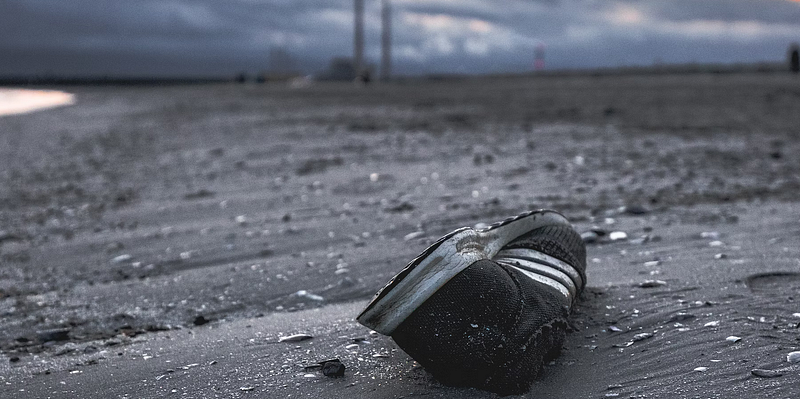
I was seven the first time my mother took me for a quick morning run before school. We ran half a mile. It lasted five minutes, and I complained every single step.
But she didn’t give up.
Bless her.
The following morning, we were back on “the track.” It was a street run kind of thing. There was no track near our apartment building.
We didn’t run the next day because it was Saturday — the rest day. But for the following six months, we ran half a mile before school every day. Sun, rain, or snow. “Don’t worry about it. It’s only five minutes,” my mother would say.
At the end of the school year, I loved these runs (and looking back on them, I love them even more; I cherish the time spent together). I started complaining they were too short.
“After the summer holidays, we will increase the distance to one mile,” my mother agreed.
When I turned 10, we had increased to thirty minutes daily while my father prepared breakfast. Few things are better than returning from an early run and finding breakfast served on the table (I wrote about one of these things here).
When I turned 14, our history teacher invited a Buddhist monk, and I discovered meditation.
“There are three types of focus in Buddhist meditations: emptiness, singlelessness, and wishlessness.”
As I listened to the monk, I realized how much running was a meditation for me. My feet banging on the ground reminded me of my connection to the Earth, and I perfectly knew the feeling of an empty mind during runs. I had experienced it so many times. But hearing about wishlessness made me think. Did I really not wish for anything? Shouldn’t I? What’s the point of running if there’s no goal? What’s the point of life?
At that time, I wasn’t wise enough to find and accept answers to these questions. Or maybe I wasn’t old enough?
During my runs, I started wishing for more. It wasn’t clear exactly what. I wanted more of the running experience — that’s all I knew. “Why don’t you try a competition?” My mother asked. “That’s a good idea,” my father added, “I could prepare you some early breakfast before the start.”
We found a trail run not too far, and my father drove me there one gloomy Sunday in November. We were one hundred. A ridiculous number compared to the dozens of thousands participating in the big marathons these days.
But it was life-changing.
In the middle of the crowd, I basked in singlelessness and accepted the emptiness of the self because I dissolved in the group. We were a living creature with two hundred legs, running toward the finish line, what we hoped would be enlightenment.
It wasn’t given to us. Because some boys didn’t let go of their wishes. And I was one of them. I wanted to win. The more I ran with the boys, the more I strived to crush them. I wasn’t empty anymore. I had a goal, and I was obsessed.
There was this boy called Philip.
He ran like he didn’t care. He ran like I used to with my mother. He didn’t care about the tempo or his ranking. He was there to be there — if that makes sense. He embodied the group. He ran to forget about life.
He never won because he didn’t need to. It was a foreign concept to him. He could have won whenever he wanted. His strides were perfect. So easy. He was an animal — a body and soul made for running.
No matter how fast I ran or how many of the races I won, I knew that Philip could have overtaken me if he wanted. But he didn’t, and that was the worst.
PS: Philip even wrote an article explaining his running philosophy.


