avatarJamie Bird

Summary

An individual in Australia with symptoms consistent with Covid-19 struggled to get tested and was only tested after seven weeks when their area was declared a hotspot, despite their high-risk occupation as an English teacher for international students.

Abstract

The author of the article recounts a challenging experience with the Australian healthcare system during the early stages of the Covid-19 pandemic. Despite exhibiting multiple symptoms associated with the virus, including a dry cough, shortness of breath, and fever, the author was initially refused a test. The refusal came despite the author's occupation as an English teacher for international students, which should have qualified them for priority testing due to potential exposure. It took seven weeks of persistent symptoms before the author was finally tested in a designated "hot spot" area. By the time the test was administered, the author had already endured the worst of the illness and the test result was negative, which the author believes is not reflective of their actual Covid-19 status. The article questions the accuracy of Australia's reported Covid-19 statistics and suggests that there may be many undocumented cases due to the stringent testing criteria at the time.

Opinions

  • The author is skeptical of the official Covid-19 case numbers in Australia, believing them to be inaccurate due to limited testing.
  • The author feels that the Australian government's claim of high testing rates is misleading, especially given their personal experience.
  • There is a sense of frustration and neglect conveyed by the author, as they were instructed to simply "drink water and rest" despite severe symptoms.
  • The author implies that the healthcare system in Australia during the pandemic was not adequately prepared to handle potential cases, especially for individuals without a travel history or known contact with a positive case.
  • The author expresses concern that there are likely many unreported cases in Australia, similar to their own situation, where individuals with symptoms were not tested.
  • The author is critical of the initial testing criteria, which they believe were too restrictive and did not account for community transmission or exposure through high-risk occupations.

It Took Seven Weeks of Symptoms to Get a Coronavirus Test

Only after I survived the virus was I deemed eligible.
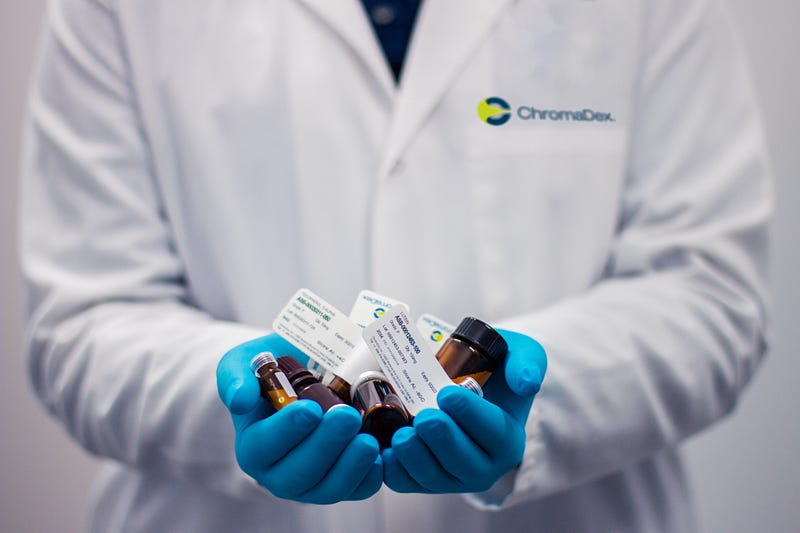
Photo by Kendal on Unsplash

I find it extremely difficult to believe the numbers of coronavirus cases in Australia because I should be included in the “recovered” statistics. Instead, I am considered a negative test.

The Australian government claims that it has some of the highest Covid- 19 testing in the world.

I cannot agree with this when my doctor refused to test me despite having a constant dry cough, shortness of breath, chest pain, a racing pulse, gastrointestinal symptoms and a low-grade fever.

I was told to drink water and rest.

I did as I was told.

I got worse.

This was March 10, 2020. At that point, the Australian government was only testing people who had traveled in the past 14 days or personally knew a positive case. As an English teacher at an academy for international students, I should have been tested due to my close proximity to constantly arriving foreign students.

Then, after seven weeks of a daily dry cough and shortness of breath, I was instructed to get a Covid-19 test. I was finally eligible for the NP swab because my address in Brisbane was considered a “hot spot.”

Of course the test came back negative. By that time it was pointless.

I had already survived the days and nights in bed, feeling like a demon was destroying my lungs and intestines. I had already begged my husband to take me to the hospital on two occasions, but ultimately never went because suddenly home was safer.

After nearly three weeks of Covid-19 symptoms, I started to feel better. Then, a week later, I got worse.

The cough and the shortness of breath came and went in waves.

As the weeks dragged on, I wasn’t getting better.

According to the numbers, Australia is fighting the coronavirus — and winning. Advertisements on television congratulate Australians for “flattening the curve” and “staying home.”

I want to believe that the place I currently call home is so much safer than my own country, the United States of America.

However, statistics can lie and I know that if I was refused a test when I was gasping for air, there must be others like me.

If you liked this story, please check out some of my other articles:

Life Lessons
Covid Diaries
Coronavirus
Australia
Health
Recommended from ReadMedium