

IT Network Fixes Every Small Business Owner Should Know
Before calling in the cavalry, try these DIY solutions
Dealing with a troublesome network — or a network that refuses to work at all — can be maddening. The loss of productivity hurts your business and unplanned downtime can have a serious impact on your bottom line.
What are your go-to options? Call tech support and hope they can walk you through your issues over the phone? That’s assuming there’s no excessive hold time. How about having a technician come to the office? How long will that take? How long will your network be down before they can physically come in to give your network look?
You could… you know… always try fixing it yourself.
I know that sounds crazy, but before you dismiss the idea, consider that there are a number of DIY solutions to network issues that are completely within your abilities to try.
Have you tried turning it off and turning it back on again?
The popular British sitcom The IT Crowd revolves around a tech support department located in the basement of a multinational corporation. Roy, the cynical lead IT support character and a man from Ireland, consistently answers the phone with: “Hello, IT. Have you tried turning it off and turning it back on again?”
It’s the most obvious fix to attempt. We all do it.
It even works on occasion.
But this method is more than simply flipping power switches off and on at random. There is a methodical way to cycle through the power which may get better results and get you back up and in business.
The first step is to turn off your computers, then the router and modem. In some cases, this is a combined device.

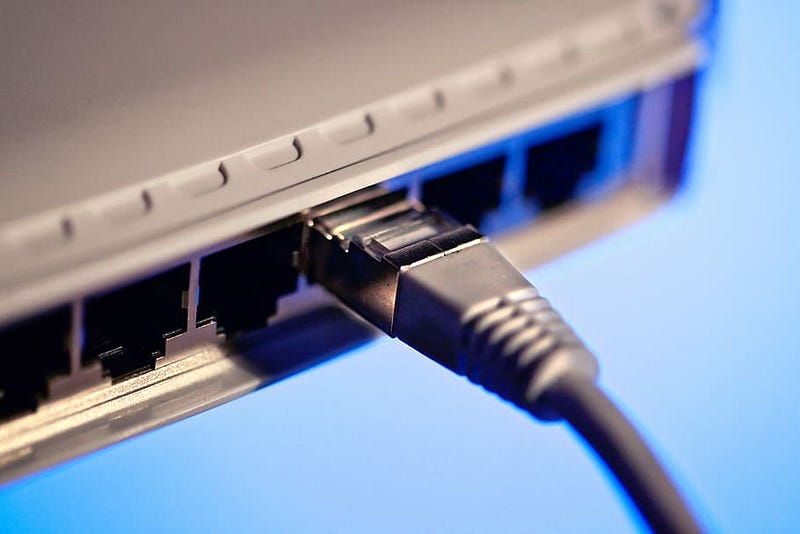
Next, make sure all of the cables are properly connected — this includes power cables. You’d be surprised how often the problem is a cable beneath a desk that was accidentally kicked loose.
Finally, turn everything back on in this order: modem, router (or combined device), then computers. As you turn on each device, wait for it to completely boot up and for any power, connection, or activity lights to stabilize.
By doing this, you can rule out most hardware issues. If you’re still having problems, you will have to dig deeper.
(Note: Most of these fixes are with Windows 10 in mind. But many of these suggestions will also work as well for some earlier versions of Windows.)
Consider restarting the network adapter
The network adapter is what allows your computer to communicate with the network. Running it through the old “turn it off and on again” routine should be the next thing you try.
- Press Windows key + R at the same time to open the Run dialog box
- Type ncpa.pl in the Run box and click OK
- Right-click on your network adapter and select Disable
- Right-click on your network adapter again, and then choose Enable
Once completed, check your network connection to see if your problem has been resolved.
Run some troubleshooting through Windows
If you’re still having problems, consult Window’s built-in network troubleshooter to see if that can’t get rid of network connection issues.
- In the taskbar search box, type Network troubleshooter and then select Identify and repair network problems
- Follow the steps in the troubleshooter and see if that fixes the network issues
Temporarily shut down your firewall
Occasionally it’s the firewall that is to blame for blocking your network. To confirm that this is the case, take these steps:
- In the search box on the taskbar, type Command prompt and right-click on it, and then select Run as administrator
- At the command prompt, type netsh advfirewall set allprofiles state off and then hit Enter
- Open a web browser and see if you are able to connect to the Internet. If you can, then you have evidence that the firewall is the problem. You will want to research your firewall settings further or contact your IT support staff.
- To turn on your installed firewalls back on, at the command prompt, type netsh advfirewall set allprofiles state on and then press Enter. It’s worth checking, via a web browser, to see if you can connect to the Internet yet.
Deeper down the rabbit hole
The above suggestions are fairly simple approaches to network fixes. If none of these of sufficient, it may be time to go a little further down the rabbit hole try resetting the TCP/IP stack, releasing and renewing the IP address, and finally flushing and resetting the DNS client resolver cache.
It sounds like a lot, but it’s actually quite straightforward if you follow these instructions:
In the taskbar search box, type Command prompt and right-click on it, and then select Run as administrator.
When the command prompt window opens, type the following commands in order.
- Type netshwinsock reset then hit Enter
- Type netsh int ip reset then hit Enter
- Type ipconfig /release then hit Enter
- Type ipconfig /renew then hit Enter
- Type ipconfig /flushdns& then hit Enter
(Note: Make sure to include a single space between ipconfig and the forward-slash.)
Call for help
If none of that works, it’s probably time to look at your IT support options for further assistance. Make sure that you’ve kept a written record of every step you’ve taken so that your outside IT support can either rule out of pinpoint possible issues.
One possibility is that there are undetected issues with your hardware in which case hardware replacements or a visit from a service technician may be required.
Exercising your options
You shouldn’t have to spend time or money on outside IT assistance until it’s absolutely necessary. Try these suggestions. Google your issues to see if anyone else has had similar issues and how they solved them.
But when all else fails, don’t wait too long before getting professional support. It’s a balance between prudence and practicality.
Your business tech is important for you to keep up and running, but you also have a business to run. You can DIY it at first, then call in the marines later if needed.
Thank you for reading. I’d love to share more with you via my Weekly Word Roundup newsletter sent to subscribers every Sunday. It will feature news, productivity tips, life hacks, and links to top stories making the rounds on the Internet. You can unsubscribe at any time!


