
It Isn’t Just 5–7–5
The Inscrutable Simplicity of Haiku
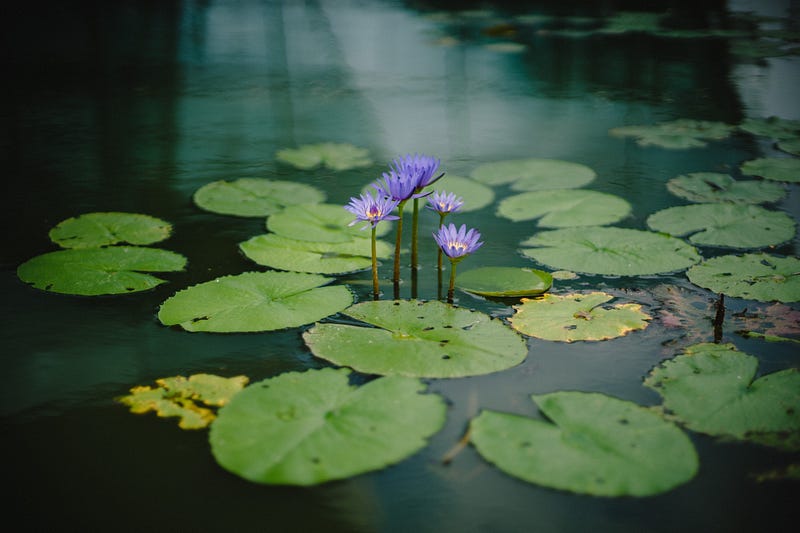
Everybody knows haiku. 3 lines, 17 syllables broken 5–7–5, nature. No rhymes, no rules. And it’s Japanese.
Well, more or less. Yes, it did originate in Japan, and yes, its subject matter is nearly always found in nature. Beyond that, however, it’s both simpler and more complicated than most people realize.
First, the 17 syllables. That’s the rule, but that rule doesn’t translate well into English. A syllable in Japanese is a character — something more than a letter, but generally carrying less information than an English syllable.
On the other hand, the Japanese language is structured differently from English. For example, verbs in Japanese have no future tense, and every utterance is complicated by the relationship of the speaker to the referent.
So when a Japanese haiku is translated into English, it may be considerable shorter or longer than 17 syllables.
Basho (1644–1694), generally considered the greatest of the classic haiku masters, wrote: Furuike ya / Kawazu tobikomu / Mizu no oto, which we might translate: Old pond / a frog jumps in / sound of water. (This haiku has been translated probably hundreds of ways. The last line is often rendered as “plop” or “splash.”)
Modern English-language haikusters tend to dismiss syllable count, other than keeping it down. The typical poem accepted into English haiku journals falls in the 12–14 syllable range.
Ducks have departed / river waits / for their return.
Nature themes. Yes, absolutely. But here it’s rather more complicated than may be obvious. Good form calls for not just images from the natural world, but some reference to the season.
And for the Japanese, there are not 4 seasons in a year, but 72. The cherry blossoms represent one season, the ripening of summer fruit another.
The sky is the blue / of earth’s beginning. My wife / hands me an apple.
A ripe apple signifies a season. (I can’t find the poet who wrote that one, but it’s quite old.) Signs of fall are easy to see in this one of mine:
Maple leaves / rustle under passing feet / smell of campfire smoke.
Haiku is about juxtaposition. Two thoughts or images are put together to inspire a feeling. You are in this moment of the year, in this place, and your attention is drawn to this sight or sound or other sensation. The whole gestalt puts you in a meditative frame of mind. The idea is sometimes expressed, “ichigo ichie,” meaning “one moment, one time.”
This, to the extent that I am able to grasp the thinking of a culture so different from my own, is why haiku does not employ figuration (simile, metaphor, allegory, symbolism) or soundplay (rhyme, alliteration, assonance), because those devices draw us out of the immediacy of the moment, away from experience and into analysis.
Young scholars / hurry through the mist / carrying notebooks.
So you’ve been doing it all wrong, right? Counting syllables, writing about people, doing clever things with word sounds, waxing metaphorical, personifying natural forces, invoking religious or symbolic themes, or going the opposite direction and making jokes and satire.
Interstate highway / see the country without / seeing the country.
No. Not wrong at all. If you enjoy the challenge of 5/7/5, go for it. Just don’t tell some other poet their haiku are incorrect if they ignore that pattern. (I should probably mention, dividing it into three lines isn’t strictly required, either.)
As for the non-nature content and other departures from tradition, the poetry police won’t come after you for that, either. Technically, such poems are not haiku, but that doesn’t mean we shouldn’t write them.
I think it’s worth the effort to try writing “real” haiku sometimes, because it’s a very in-the-moment thing, and getting out of your head and feeling your feet on the ground is always of great value to a poet. (And being a poet is, along with sex and coffee, the essential meaning of life. You knew that, right?)
But maybe you feel like writing about the charming foibles of humanity:
Stepping out, the chill / of friendly breeze reminds me / go back for my pants.
My neighbor’s snoring / keeps his dog awake / all night.
At the honky-tonk / dancing with all the cowboys / two lesbians.
Or even getting just a wee bit bawdy:
Her firm was well staffed / but for a staff well firmed she / found an opening.
Old Nantucket man’s / noble jade stalk very long / haiku very short.
Now you’re writing senryu. About which I believe the only rule that matters is, have fun with it.*
*Update to this story: Just heard from master Haikuster Robert Moyer, who informed me Senryu actually follow all the same rules as haiku but without the nature themes. So I stand corrected. But I still say, what you call it matters less than that you keep on writing and enjoy it.
Next, straight from Japan: deep thoughts, short attention span, welcome . . . Haiku-Man!