
It is the habit of having habits . . .
Edith Wharton on habits. (The Commonplace Book Project #24)
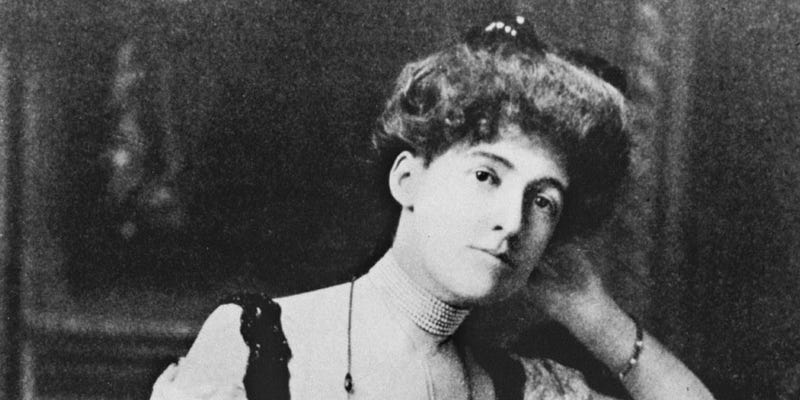
The Commonplace Project is a daily post based on Ray Bradbury’s advice to aspiring writers: read a poem, a short story, and an essay every day for 1000 days. These posts start with a quote and go wherever the rabbit hole leads. Follow The 1000 Day MFA so you don’t miss a thing.
Habit is necessary; it is the habit of having habits, of turning a trail into a rut, that must be incessantly fought against if one is to remain alive. — Edith Wharton, A Backward Glance
Today is Edith Wharton’s 157th birthday.
Nearly 100 years ago, Wharton was the first woman to win a Pulitzer prize for literature (in 1921) for her novel The Age of Innocence. She was also nominated for the Nobel Prize for literature three times, in 1927, 1928, and 1930.
Wharton was 40 years old when she published her first novel — but was a prolific writer all her life. She wrote poetry when she was a teenager.
Her family name was Jones. Yes. Those Jonses. The ones people have tried to keep up with for more than a century. And it’s interesting that her family money and her station kept her from attempting to publish sooner. Women in her position were not writers.
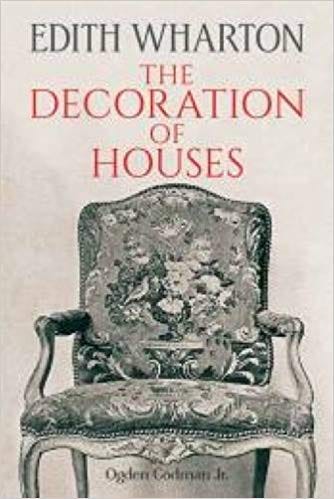
They did, however, decorate. Wharton wrote a book called The Decoration of Houses that is credited with the end of the over-stuffed, heavy Victorian style and the entrance of a lighter, more modern, design that centered on architecture.
Wharton’s novels often a dramatically ironic view of the world she lived in — the world of the very, very wealthy. She had a troubled relationship with her mother, and often put unflattering versions of her into her stories.
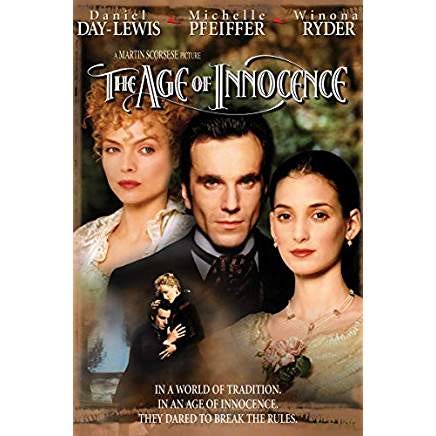
I watched the 1993 film version of The Age of Innocence as I wrote this post. It stars Winona Ryder, Michelle Pfeiffer, and Daniel Day Lewis. It’s based on the book that Wharton won a Pulitzer Prize for, and is an excellent example of her ironic view of wealth. Very worth watching, even if it’s just for the gorgeous, over-blown expressions of Victorian grandeur.
It is particularly interesting to me that Wharton was forbidden from reading novels until she was married — a rule she actually followed — except for children’s books that did not use slang. Mark Twain was out. But she was allowed to read, and loved, Louisa May Alcott.
Maybe it’s not a surprise that Wharton, who lived a life of ultimate privilege in the high social circles of Victorian-era New York, wrote stories that were tinged with racism, anti-semitism, and a certain snobbery. The main character in The House of Mirth, Lily Bart kills herself rather than marry a Jew. But first, she nearly kills herself repaying her own debts.
Still, Wharton had a subversive ideas and created complex characters that are still fascinating a hundred years later. The quote at the top of this post points to the way she struggled against the restraints she found herself living under. The ruts of habit must have been so high that they felt like a prison.
She rebelled against them in her novels. And she even rebelled against them in her design work — actually breaking the hold of the Victorian era on the aesthetics of her time.
This documentary film about her life is fascinating.
Hermione Lee wrote a biography called Edith Wharton in 2008.
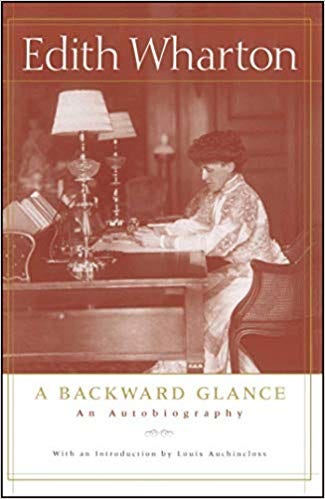
I’ve added Wharton’s autobiography, A Backward Glance, to my reading list for 2019.
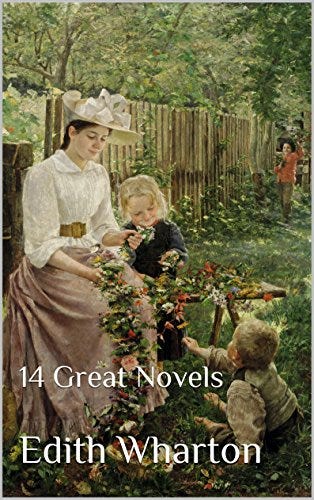
You can read much of Wharton’s work in this ebook for $1.99. I think there’s some kind of irony in that.
Today’s Short Story:
The Muse’s Tragedy by Edith Wharton
Danyers afterwards liked to fancy that he had recognized Mrs. Anerton at once; but that, of course, was absurd, since he had seen no portrait of her — she affected a strict anonymity, refusing even her photograph to the most privileged — and from Mrs. Memorall, whom he revered and cultivated as her friend, he had extracted but the one impressionist phrase: “Oh, well, she’s like one of those old prints where the lines have the value of color.”
Today’s Poem:
Short enough, I’ll just post the whole thing here.
Happiness by Edith Wharton
THIS perfect love can find no words to say. What words are left, still sacred for our use, That have not suffered the sad world’s abuse, And figure forth a gladness dimmed and gray? Let us be silent still, since words convey But shadowed images, wherein we lose The fulness of love’s light; our lips refuse The fluent commonplace of yesterday.
Then shall we hear beneath the brooding wing Of silence what abiding voices sleep, The primal notes of nature, that outring Man’s little noises, warble he or weep, The song the morning stars together sing, The sound of deep that calleth unto deep.
Here’s my secret weapon for sticking with whatever your thing is.
Shaunta Grimes is a writer and teacher. She is an out-of-place Nevadan living in Northwestern PA with her husband, three superstar kids, two dementia patients, a good friend, Alfred the cat, and a yellow rescue dog named Maybelline Scout. She’s on Twitter @shauntagrimes and is the author of Viral Nation and Rebel Nation and the upcoming novel The Astonishing Maybe. She is the original Ninja Writer.


