
It Is not just Life, It Is Fiction
Our Fictional World
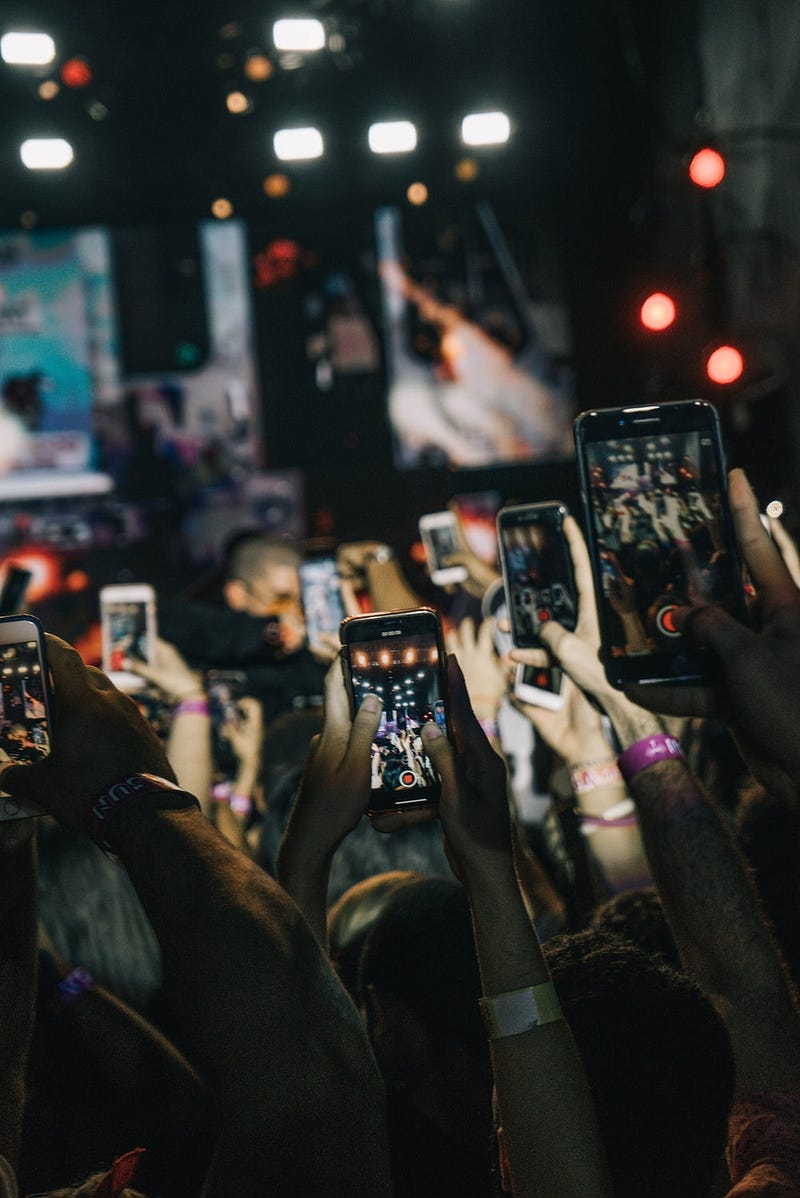
“That’s what fiction is for. It’s for getting at the truth when the truth isn’t sufficient for the truth.” ― Tim O’Brien
This weekend a friend of mine asked me what I thought the difference between fiction and reality might be. Such a question reminded me of my last years in college when my friends and I used to try to explain everything by referring to philosophical theories.
And yet, for many people fiction is not a kind of subject we can speak about in “normal” life, in that it is a hermetic matter confined to academic and prominent artistic works. When it comes to comparing fiction with reality it is obviously a more abstruse subject than the former all alone.
My friend and I have quite different points of view about the subject. Therefore, the conversation with him went on rather intensely. Although it did not have much more importance than a little chat to fill up the time; in the end, I enjoyed the moment.
During the debate, I assumed that fiction and reality are not that different, it is only a question of context and support, whereas my friend thought they are different.
Here was his conclusion: the main difference between fiction and reality is that the first one is most likely untrue, and then the second is true.
My problem since the beginning was that it is not easy to identify what is true from what is not, and neither would it be easy to distinguish reality from unreality. Everything is potentially true and real depending on the context, the perspective of whom it is addressed to, and the identity of the individual or institution who owns the discourse.
When I arrived home, I took a seat and started to think about the discussion we had had. At that moment, another idea came up to my mind.
Guess what? After this brainstorming over fiction, I found the argument of this text: More than ever before life has become a complete fiction. Why did I come to this conclusion?
Well nowadays we tend to see life with a rationalized eye. It seems that most ideas and facts must be proved and analyzed meticulously before getting to the public.
But, still, fictions have invaded us and, for the better or worse, life has become meaningless without the bliss of hyperboles, similes, metaphors, metonymies and all the figures of speech that make poetry and arts, works of fiction when mixed up with the exulted sense of experiencing something most likely true, whose main purpose is elevating us up to a much higher level than the humanness. Such an elevation is nothing but the creation of life both outside and on behalf of life.
What is Fiction?
The first definition I have found for fiction in Merriam Webster is that it is “something invented by the imagination or feigned.”
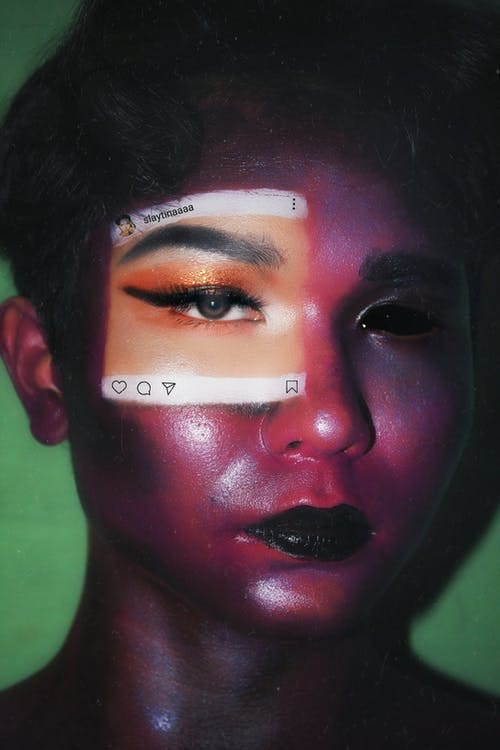
According to this definition, fiction is everywhere. What is life for us, if not something our ancestors have imagined and then created? What is our own projection of life, if not some feigned selves that we upload and share on social media through videos, texts, and images? What would we leave behind when we die, if not uncountable pieces of fictional works
I am not the first one to give my opinion about fiction and reality. Most artists of fiction have their own ideas about their works. When analyzing fiction through the magnifying glass of reality, much specialists point out these four following ideas:
- Fiction influences reality, because ideas from most classic fiction texts have been forging our societies since the very beginning. Most of our habits and cultural patterns are first conceived fictionally before being adapted in our societies.
- Fiction foresees and creates reality, in a way that science might stagnate if there was no fictional ideas that could have us imagine new situations, and new ways to cope with them.
- Fiction is a source of inspiration for scientific and technological innovation, this aspect is perhaps better proved in science fiction, however it can also be applied to describe most fictional genres.