
Health and Medicine
Why Hip Fracture is a Deadly Threat
Just like a heart attack or cancer, hip fracture is a common cause of death
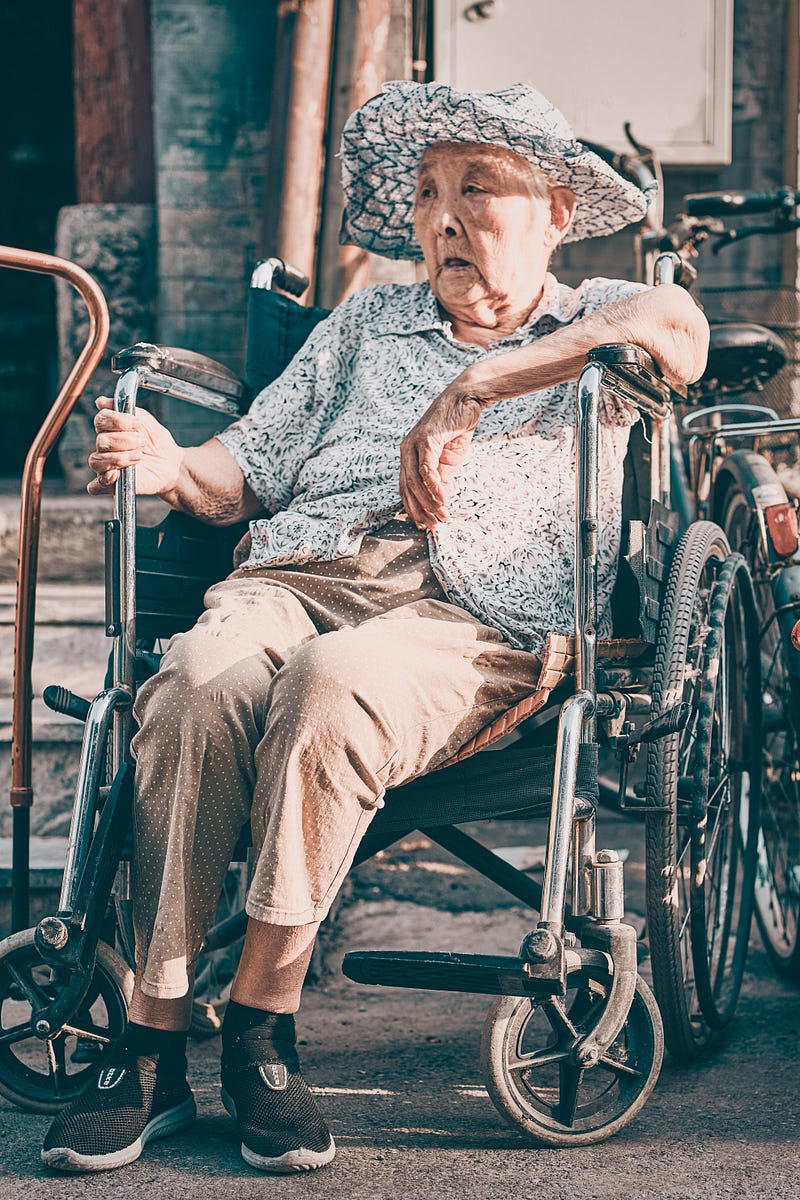
Nana Vashti
My grandmother was named Vashti. Her mother named the children by dropping the family Bible on the kitchen floor and choosing the first name of the right sex on the exposed page. Vashti was a warm affectionate person, a great contract bridge player, and had a lot more friends than I ever will. She was also fat and very physically inactive.
I cannot remember her ever walking anywhere and the only exercise she ever did to strengthen her core was to lift a pie out of the oven. When I was 15 and working as a hospital orderly, she tripped over a root while walking in our yard and fell, fracturing her hip. She was about 65.
She was admitted to the local hospital and never left. She stayed in bed and was too obese and physically unfit to even sit in a chair. She was kept in a twilight state with narcotics and mumbled and groaned day and night.
She couldn't even use a bedpan and was constantly in a mess as I could see when I stopped by at work. She was my real mother and her thankfully brief hospital stay was horribly sad. One day I came to work and learned she was dead.
This was 55 years ago. Why did she die? In those days she was said to have died of old age. In those days people were admitted to the hospital for a good rest or to have a colon X-ray or for a week's observation. If you had a stomach ulcer you were given a big pitcher of heavy cream and told to drink a small glass every hour. I wish I could say that hip fracture is no longer a serious problem. If I said that I would be wrong.
The Consequences of Hip Fracture
In general, even in 2021, a hip fracture means hospitalization and surgery. Very elderly people with many health problems and a short life expectancy are sometimes treated nonsurgically with prolonged bedrest but that is a death sentence. Confining an elderly person to bed for weeks leads to pneumonia, blood clots, and rapid decline in cognition.
Typically the broken hip is pinned or an artificial hip is inserted. The patient is out of bed doing physical therapy the next day and out of the hospital in a nursing home in 3–5 days. Despite modern care, 25 % of hip fracture patients are dead in three months. A study of nursing home patients showed that the average life expectancy of an 80-year-old man who has a hip fracture is 2 years. That is no different than cancer or heart disease.
Why do people die after hip fractures? There are many reasons.
Blood Clots
After a hip fracture immobility and factors released from the broken bone cause blood clots in the legs and pelvis. These can travel to the lungs and cause death in a process called a pulmonary embolus. This used to happen all the time but is now rarer thanks to getting people out of bed much earlier and giving blood thinners. Conversely, this is very often the cause of death of frail people who are not given surgery and linger in bed.
Pneumonia
Pneumonia, cynically called the “old man’s friend”, develops in about ten percent of elderly men after hip fracture due to weakness, obesity, and just being in a hospital. Sure it can be treated, but it often begins a cycle of increasing weakness, confusion, and frailty.
Surgical Infection
Despite best practices, the surgical site, the pin or the artificial hip can become infected. This leads to more surgery, weeks of IV antibiotics, inability to receive physical therapy, and mental and physical decline; sometimes it leads to death.
Heart Attack
You will not be shocked to learn that many people reject medical care. They go through life unaware of their high blood pressure, high cholesterol, diabetes, and breathing problems from smoking. They attribute occasional chest pains to muscle strain or indigestion. Eventually, a hip fracture happens maybe after a night of heavy drinking and they arrive in the ER for their first health visit since they were in the army for the Viet Nam War.
Surgery is needed urgently and sadly the harried practitioner who does the preop evaluation may not recognize the lurking heart disease. Inevitably, a Heart Attack happens during the surgery, right after it, or during the nursing home stay, and for many, the first heart attack is the last.
Mental Decline
Psychiatric illness and dementia were black boxes when I started medical school in 1973 and in many ways, they remain a total mystery. We treat depression and schizophrenia with powerful drugs without really understanding the pathophysiology and we give drugs for Alzheimer's without being sure if the tangles in the brain cause the condition or are the body’s way of fighting it. In any case, taking a human being away from his home, taking away his freedom of movement, his dignity, his passions, and his friends leads to loss of memory, loss of functional status, progressive loss of interest in life, and eventually the release of death.
Other Things
Sitting in a chair all day can lead to very nasty bed sores. This is a big problem. There is even a medical specialty of “wound care” or running a “wound clinic” devoted to surgically and medically treating pressure ulcers. Untreated bedsores definitely can be a cause of death.
Depression is almost always at least a transient problem when a hip fracture patient has a prolonged nursing homestay. I do not know how often suicide is a consequence but I would bet it happens much more often than is recognized.
Weakness from inactivity and muscle wasting leads to a high risk of falling. Falling is a common cause of death in the elderly and I hope to address this subject in more detail. Unfortunately, another hip fracture or a life-threatening head injury may be the result of a simple slip on a loose rug or tripping over an extension cord.
Preventing Hip Fracture
Vashti was unfortunately at very high risk for hip fracture due to her physical inactivity and obesity. One in three women will have a hip fracture sometime after age fifty. Everyone needs to think about this risk and try to reduce it just like we try to decrease the risk of heart attack by cutting down on fried foods. I will make a short summary of these preventative actions and hopefully discuss these topics in more detail in the future.
Bone Density
All women and some men need bone density screening after age 65. Bad osteoporosis can lead to hip fractures that occur spontaneously without a fall or an injury. There are effective treatments and useful therapies if you have osteoporosis, but they need to be started five years before you trip, stumble or fall.
Maintaining Core Strength
Almost all hip fractures are due to falls. Falls are caused by a weak leg and abdominal muscles from inactivity and poor balance due to frailty and dizziness. Regular exercise will cut the risk of falls by 30 percent.
Dietary Adjustments
It is very important for women to eat the recommended amount of calcium and Vitamin D for their age. It is also essential to maintain a healthy weight. Rehabilitation after hip fracture can be made virtually impossible if morbid obesity prevents exercise. If the hip fracture patient is not back on her feet walking in a couple of weeks life expectancy decreases dramatically.
Eyes and Pills
Falling can be a major problem if eyesight is poor. Get regular eye checks and new glasses or contacts when needed. Taking too many or the wrong types of medicines can be a cause of dizziness and falling. Today anxiety and sleep medications cause thousands of dangerous falls.
A lot more people exercise regularly and try to eat a healthy diet than Vashti’s friends did in the 1940s and 1950s. Medical care is sure a lot better and post-operative care has especially been improved. Yet hip fracture is still a common cause of death for our older population. I sometimes try to imagine the modern Vashti doing hot yoga or riding her Peloton or running a marathon. She would have laughed at this fantasy, but I wish she could have done a few basic things to prevent the last fall and the hip fracture. I needed her advice and compassion when I was in college and medical school.
Here is more writing about old-timey medicine:


