
Israel-Palestine Conflict: What I Observe in Social Media
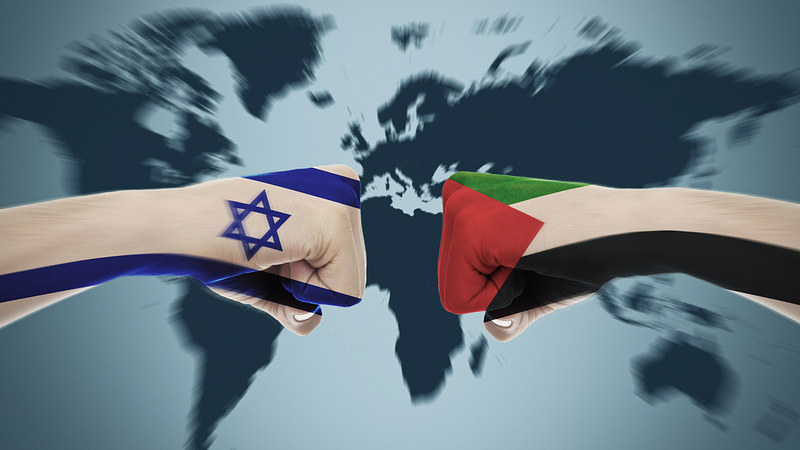
Nowadays, it’s hard to find someone not connected to social media somehow. Because it is so fast and has so many users, social media is a great place to talk, argue, and spread information. The conflict between Israel and Palestine is one of many global problems that come up in these online conversations.
I have seen, though, that this power has two sides. It can bring people together and help them understand each other better, but it can also make things more divided and difficult than they already are.
Polarization

The Israel-Palestine conflict, like many worldwide issues, often divides opinions. Typically, you will find posts supporting one side or the other. Many quickly take a stance, feeling there’s no neutral ground, and consequently align with a particular group. Our choices might stem from our religious views, personal beliefs, affiliations, or more.
However, choosing a side seems simple. But have we stopped to consider that this isn’t some distant spectacle, a mere show where two parties clash like characters in a game? When we cheer or express satisfaction online, we should reflect deeply.
We must question: what are we truly celebrating or endorsing when we react online? Is it the heart-wrenching cries of mothers losing their children? The destruction of homes? The heartbreak of someone who lost a beloved one? Celebrating these moments of perceived ‘victory’ might just be revealing a moral blindness in us.
Instead of picking sides, let’s unite for peace. Long-lasting peace comes from understanding and respect. Let’s choose empathy over division and peace over polarization.
Manipulation for Attention

Every period of human civilization has a different craze. A few were greedy for wealth, and some were for fame. Now, we are hungry for likes, shares, and viral moments. Sometimes, this hunger overshadows the real essence of a story.
We’re often exposed to manipulated images and sensationalized headlines related to wars and conflicts, all in pursuit of fleeting online reach and views. And it’s not just individuals; even big media names do similar things which increase the flames of the conflict instead of stopping it earlier.
Some have even misrepresented fireworks from parties as war scenes. This misleads and makes things worse when they are already tense. Just think about what kind of mental illness is spreading among our generation so that we can get more likes on our social media posts.
As responsible citizens, verifying facts before hitting ‘share’ or ‘like’ is crucial. While engaging with trending topics is tempting, we must be mindful of their real-world impact.
While sharing sensational content might get you some online attention, it’s essential to think about the larger effects. The quest for online recognition shouldn’t compromise the truth or escalate offline tensions.
The Echo of Our Voices
Many people who want peace think that being quiet is the best thing to do. In today’s connected world, choosing to stay silent could mean missing an opportunity to make a difference.
In the past, getting in touch with top officials or authorities took a lot of paperwork and may have seemed impossible for the average person. But today, social media breaks down these boundaries.
Most of these influential figures are now just a tweet or a comment away. The words we write and the sentiments we share might end up on their newsfeed. While it’s easy to underestimate the power of a single voice, history has repeatedly shown that collective calls for change can shape the future. Your plea for peace, your call for harmony, or even a simple share of a peace-promoting message could ripple through digital channels and influence those who hold the levers of power.
It’s a privilege in our digital age we can voice our thoughts and potentially impact change. So, for those who hope for a future without endless conflict, don’t just wish silently. Use the platforms available, be it through writing, speaking, or simply sharing, to promote the cause of peace. After all, the dream is a world where peace is not just a phase but an everlasting state.
Conclusion
Today’s technology has changed how we deal with global problems by making them easy to access. But there is a duty that comes with this access. The war between Israel and Palestine, which is shown and talked about on social media, is a stark reminder of this. Misinformation, polarization, and the allure of digital clout can change how people see things and make divides worse.
On the bright side is, individual words and calls for peace can have a tremendous impact. As digital citizens, we must be careful, think about the content we consume, and use our devices to spread truth, understanding, and peace. After all, in an interconnected world, our digital ripples can create real-world waves far beyond our screens.


