
Isolation is over-surveillance Through the Social Media
Are we “digital-voyeurist” using smart devices?
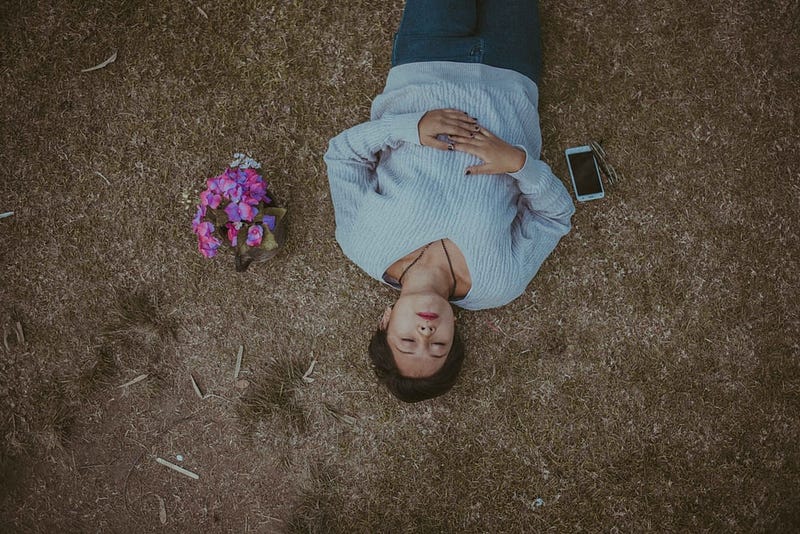
We know all about our friends during this pandemic crisis. We know what they eat, what they are seeing in Netflix, Amazon Prime, etc… We know also how are they feeling in social-distancing, some others in isolation.
Social Media, is probably the most revolutionary creation that the human had made since printing, railways, and TV.
But what are we actually doing “spying” with consent all our friends (or just knowns) through our smart devices? Are we making company for them or just making come true the self narcissism of them or us?
Anyway, all these questions are directly spriting some negative vibes of social media and are not factual. What I want you to invite to think, is are we under surveillance to our friends, or are we making the social media a “panoptic system” to follow all their actions?
I think is fair to have some hypothesis about our “healthy-use” of social media. We know exactly what it becomes for us since they were released.
In these times of Coronavirus, Social Media has increased too much its use. We spend a lot of time sharing content. This kind of hiper-information and hiper-activity in social media can generate techno-pathologies. The FOMO (Fear of Missing Out) and Nomophobia are two of the most known and are relative to anxiety, depression and fear.
We have to take care of these technologies. Ironically, especially from human-beings. All of us have toxic people in our lives, and with the over-exhibition in social media, we are more exposed to have direct contact. The control of our interpersonal relationships sometimes is not a universal value in all the people. Along the way, as well as social pressure forced us to open social networks; its excessive use can also lead to negative poles.
I just don’t want you to feel guilty if you have presented sometimes one of these symptoms, but I want you to aware of how you can make easy this pandemic crisis.
One of the other topics that I concerned a lot, is the possibility of thinking the social media users as a digital-voyeurist. I know we see histories of Instagram daily. It has become a ‘common sense’ of post-modern Millenial Generation. And also upload our lives over there. The ‘stalking’ is at the order of the day, we can have under surveillance the people we follow and ask them instantly how they are.
I feel scarry many times of having a mind-blowing reading real life as a book of a fictional novel like this: the Panoptic theory, is an idea of complete restriction and surveillance that a system can have. It makes “disciplinary power” — Michel Foucault says.
I hope social isolation for everyone could be a perfect opportunity to make contact with ourselves, seeking for our Zen. But honestly, we have to recognize that some people are under conditions to non-stopped working, or have their assailants at home.
The isolation and social media consumption are also that, being aware of collective discomforts, and having respect for it. That is probably the best aspect of social media: becoming aware.


