
Is Your Pet Trying to Tell You Something? The Top 10 Strange Behaviors Explained
Your Pet’s Strange Mannerisms Reveal Important Health and Wellbeing Clues
Does your dog or cat have odd behaviors like excessive licking, aggression, or eating non-food? Learn what the top 10 bizarre pet behaviors mean and how to help your pet.
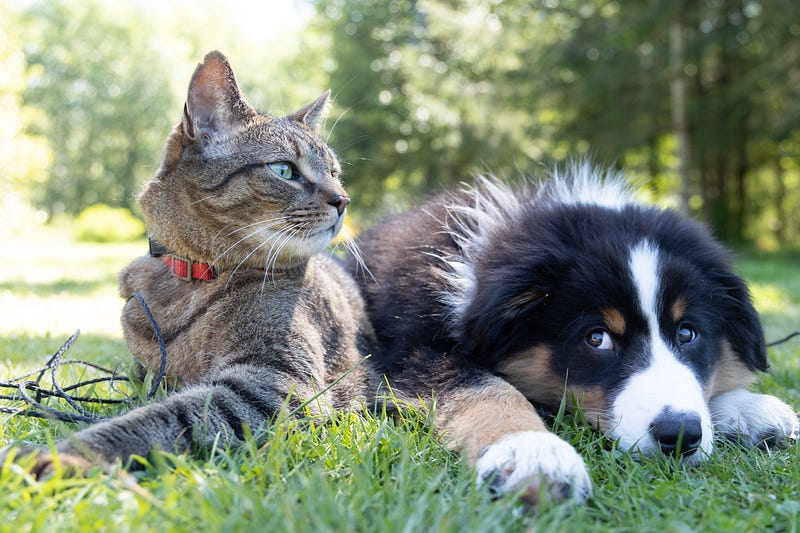
Our pets can’t speak our language, so they communicate through behavior. While some actions are obvious, like tail wagging when they’re happy, others can be downright baffling. Strange behaviors in pets often have an underlying cause whether it’s physical, psychological, or behavioral.
As a pet owner, it’s important to understand what your pet might be trying to tell you with their odd mannerisms. Paying attention and figuring out the root of the issue early allows you to get them the care they need. This prevents the problem from worsening over time.
This article will explore the top 10 bizarre behaviors in dogs and cats and explain what they mean. With proper understanding, you can better meet your pet’s needs when something seems off.
Top 10 Strange Pet Behaviors and What They Mean
1. Excessive Licking
Excessive licking of their paws, legs, or around the nose and mouth is one of the most common weird behaviors in dogs and cats. Causes include:
- Allergies — Licking can be a sign of skin irritation or itchiness from allergies. Dogs may be allergic to foods, while cats are often allergic to flea bites.
- Boredom — Licking provides stimulation and relieves boredom in under-exercised pets. Make sure your pet gets adequate daily playtime and enrichment.
- Joint pain — Constant licking around joints may indicate osteoarthritis discomfort in aging pets. Have your vet examine your pet to provide pain relief if needed.
- Stress and anxiety — Excessive grooming can be a self-soothing mechanism in stressed pets. Identify and minimize environmental stressors to reduce anxiety.
- Obsessive compulsive disorder (OCD) — Some pets display compulsive, repetitive licking that is difficult to eliminate. Medication may be needed in severe cases.
2. Pacing and Restlessness
It’s normal for pets to be active at times, but pacing, circling, and appearing unable to settle down can signal:
- Cognitive dysfunction syndrome — Similar to Alzheimer’s in humans, this condition causes disorientation and restlessness in senior pets. Medications and mental stimulation can help manage it.
- Stress and anxiety — Constant pacing indicates an anxious, unsettled state of mind. Determining and mitigating the stressor can calm your pet.
- Boredom — Lack of physical and mental stimulation leads to pacing out of boredom and frustration. Make sure to activate your pet’s body and mind through walks, playtime, puzzles, and training.
- Compulsive behavior — Repetitive pacing patterns could mean a pet has OCD and is pacing compulsively. Your vet can provide guidance for reducing this behavior.
3. Excessive Barking or Meowing
Frequent and sudden barking or meowing can signal:
- Sensory decline — Pets with declining vision or hearing may vocalize more due to disorientation or responding to noises they can’t see. Have your aging pet’s senses tested annually.
- Attention-seeking — Some pets learn that barking and meowing summons you for playtime, food, or affection. Ignore the vocalizations to discourage attention-seeking demands.
- Territorial behavior — Your pet may be alerting to perceived intruders like the mail carrier, unknown visitors, or animals passing outside. Limit access to windows and doors to reduce this trigger.
- Anxiety — Barking or meowing from separation anxiety happens when a pet is distressed about being left alone. desensitization training helps pets stay calm when you leave.
4. Hiding and Withdrawing
When your outgoing pet starts hiding under beds and withdrawing from family, potential causes include:
- Pain or illness — Hiding is an instinctual response in vulnerable, sick animals. Sudden hiding warrants a veterinary visit to diagnose a possible medical issue.
- Fear and anxiety — New situations, strangers, loud noises, or construction can overwhelm anxious pets. Offer reassurance and make a safe space during triggers.
- Cognitive issues — With cognitive dysfunction syndrome or dementia, pets may hide, seem lost in the house, or not recognize family. Medications can help manage this.
- Loss of hearing/vision — If your pet seems to startle or be uncomfortable being approached, sensory decline may cause withdrawal. Have your vet test their hearing and eyesight.
5. Aggression
Aggressive behaviors like growling, lunging, snapping, or biting can indicate:
- Pain — Pets experiencing arthritis, ear infections, mouth pain, or other injuries may act aggressively when approached or touched if it causes further pain. Have your vet pinpoint and treat sources of pain.
- Fear and anxiety — Scary stimuli like loud noises, strangers, or quick movements can prompt a fearful aggressive response in apprehensive pets. Counter condition them to build confidence.
- Possessiveness — Resource guarding of food, toys, or sleeping areas triggers some pets to act aggressively when approached. Use positive reinforcement training to teach them to relinquish items.
- Frustration — Repeated confinement, physical restraint, or denial of play/interaction can cause frustrated outbursts. Ensure your pet gets sufficient outlets for energy and interaction to prevent this.
6. Urinating or Defecating in the House
House soiling problems, whether urination or defecation, typically stem from:
- Incomplete potty training — Some adopted adult dogs may not have been fully potty trained by previous owners. Remedial housetraining is needed.
- Urinary tract infection — An infection in the urinary tract causes urgency and frequent urination, sometimes in inappropriate places. Your vet can prescribe antibiotics to clear it up.
- Loss of bladder control — Senior pets often begin to have issues holding their urine due to age-related muscle weakness. Increase potty breaks and limit access to previously soiled areas.
- Stress/anxiety — Changes in routine, new people/pets in the home, construction noise, or loud events can prompt anxious eliminations. Mitigate stressors and use calming aids like pheromones.
- Marking — Urine marking on walls and furniture can signal your pet is feeling territorial over perceived threats in or around the home. Limit access and clean thoroughly with enzymatic cleaners.
7. Eating Non-Food Items (Pica)
If your pet suddenly starts eating strange non-food items like fabric, dirt, rocks, or feces, it may be:
- Nutritional deficiency — Lacking nutrients prompts unusual eating behaviors in some pets. Have your vet run bloodwork and supplement their diet if any deficiencies are found.
- Nausea/hunger — Pets will eat non-foods when nauseous or very hungry between meals. Switch to smaller, more frequent meals if this is the case.
- Boredom — Inquisitive pets may start tasting inappropriate things simply due to boredom and curiosity. Provide ample enrichment toys and rotate novel items to keep them engaged.
- Obsessive compulsive behavior — Some pets develop pica as a compulsion despite receiving a complete diet. OCD medication may be warranted after ruling out other causes.
8. Excessive Chewing and Destruction
Persistent chewing, scratching and destruction of household items usually stems from:
- Teething — Young pets teethe until around 6 months old and chew for pain relief. Provide appropriate chew toys and frozen items to soothe sore gums.
- Boredom — When understimulated, pets will entertain themselves by chewing and destroying. Prevent boredom with daily exercise, playtime, training, and puzzle toys.
- Separation anxiety — Pets with separation distress will often chew, scratch, urinate, and destroy items when left alone as a stress response. Desensitization training helps overcome separation anxiety.
- Lack of confinement — Free roam of the house when owners are gone allows access to tempting items. Confining pets prevents inappropriate chewing and harm from ingesting foreign objects.
9. Excessive Digging
Frenzied digging at carpets, furniture, floors, and yards is often an indicator of:
- Boredom — Digging provides an outlet for pent-up energy in under-exercised pets. Increase daily walks and playtime to prevent boredom digging.
- Anxiety — Digging into surfaces or “denning” under furniture can be self-soothing for anxious pets. Determine and resolve stressors prompting anxiety.
- Burrow instinct — Terrier breeds often dig due to ingrained prey-burrowing instincts. Provide a designated digging pit outdoors to satisfy natural urges.
- Escape attempts — Repeatedly digging under or into fences signals an escape artist. Bury fences, use landscape blockers, and train a solid recall cue to prevent wandering.
10. Eating Too Quickly
Bolting food, gulping, and barely chewing are signs your pet may have:
- Food anxiety — Fear of having food taken away prompts competitive gobbling. Hand feed portions to build trust meals won’t be stolen.
- Stress — Highly stressed pets release cortisol that increases hunger and may cause excessive eating. Identify and remedy stressors to slow eating.
- Food obsession — Obsessive patterning and fixation on food causes some pets to eat abnormally fast. Work on impulse control training to override the obsession.
- Pain — Mouth or throat discomfort is often the culprit for fast gobbling. Have your vet examine the mouth and prescribe pain relievers as needed.
When to See Your Veterinarian
While some odd behaviors can be managed at home, others warrant medical investigation. Seek your vet’s advice if your pet displays:
- Sudden aggression or hiding
- Eliminating outside the litter box
- Loss of previously learned house skills
- Increased vocalization
- Signs of depression or lethargy
- Frenzied scratching or licking
- Compulsive, repetitive behaviors
- Out-of-the-norm destructive behaviors
Schedule veterinary blood work and diagnostic tests for older pets exhibiting cognitive or sensory decline. Timely medical intervention greatly improves their quality of life.
The Takeaway
When your pet starts acting strangely, don’t just chalk it up to a weird quirk. Their odd behaviors and bizarre mannerisms are meaningful signals of an underlying physical, mental, or emotional need.
By listening closely to what your pet’s behaviors are trying telling you, you’ll be better prepared meet their needs and ensure their health and happiness. Paying attention to those bizarre behaviors ultimately allows you to be the best pet parent possible.
FAQs About Strange Pet Behaviors
Q: Why does my dog lick his paws constantly?
A: Excessive paw licking is usually a sign of allergies or irritation. Dogs can be allergic to food, flea bites, grass, and more. See your vet to identify the allergy source and treat it.
Q: My cat has suddenly started hiding under the bed all the time. What’s wrong?
A: Hiding is very concerning in cats. It often signals pain, illness, or anxiety from situations like construction noise or new pets in the home. Have your vet examine your cat to determine the underlying cause.
Q: My elderly dog has started pacing through the house at night. How can I help him?
A: Nighttime pacing and restlessness in senior pets is a common sign of canine cognitive dysfunction syndrome. Talk to your vet about medication and mental exercise to manage this condition.
Q: Why does my dog keep barking and jumping at everything she sees out the window?
A: Barking at sights outside is a territorial behavior. Your dog sees passersby as intruders. Limit window access, provide exercise, and train an alternative behavior when she barks.
Q: My cat has suddenly started urinating on the couch and bed. What’s going on?
A: Inappropriate urination usually signals a medical issue like a urinary tract infection or bladder stones. Schedule a vet visit to diagnose and treat the underlying cause.
Q: Why does my dog gorge his food in 2 seconds flat?
A: Inhalation of food often indicates stress or anxiety around mealtime. Consider hand feeding portions or using a slow feeder bowl to slow your dog’s eating pace.
Boost Your Productivity with Cutting-Edge Computing! Buy New Or Used Laptops & Netbooks On EBAY
Love reading? Enjoy writing? Join the vibrant community of writers and readers on Medium.com!
Affiliate links was used in article. claude help with this article.
Purchases via my affiliate link support further informative content.
References and Links