
Is Virtual Therapy As Effective As In-Person?
The answer is a resounding yes!

I have been a therapist most of my adult life, becoming a private practice solopreneur in1989. Until the pandemic unleashed its weaponry, putting all of us in harm’s way, I never dreamed of providing behavioral therapy services but in the flesh. Well, all of that changed in March 2020. The way I worked would never be the same.
My Journey to Virtual
In late 2019, I had left my practice in Needham, MA. I had been a partner in our unique mental health group for 26 years. A series of events occurred that prompted me to take the plunge of finally leaving.
For the first seventeen years, I lived five minutes from my practice. For the next ten years, I lived 50 minutes away in Central Massachusetts. After ten years of commuting in the wee hours of the morning to avoid the inbound traffic to Boston, I finally had enough. Because our business model connected us financially, the expectation for departing was a nine-month notice.
Because the exit was not for several months, I had not planned to share this until late March or early April 2020. Early on, I knew many of my clients would not make the long trek to Holden. Also, I recognized I would have to search for office space and begin another practice from scratch. Well, the old Yiddish proverb could not be more accurate, “We plan, God, laughs.” You might say my plans changed overnight.
The Unexpected
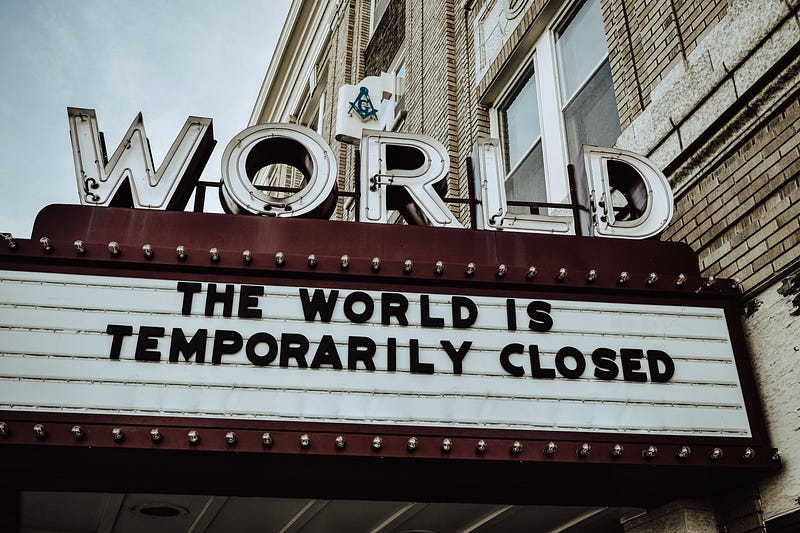
As we now know, the “shutdown” that occurred did not shut down mental health services. All of us began using the available platforms to see our clients virtually. A few were HIPPA compliant, but most of us found Zoom to be the best. Who knew that Zoom would skyrocket to the heights it did. If you owned the stock, you knew.
Most of my clients were receptive to the notion of doing virtual therapy. A couple were quite wary and preferred the telephone. For me, virtual versus telephone made all the difference in the world. Pre-pandemic, once in a blue moon, I would agree to a phone consult with clients. It was not my channel of choice, however.
Game-Changer
Face-to-Face on the computer screen was a game-changer. Not only did it work, but it transformed “my work” from now until I retire, if I ever do. Please do not gasp, but I plan on having only a virtual practice, pandemic or no pandemic.
The Pros of Being Virtual:
- Convenience to my clients. Even while I was in Needham, traffic alone could make the hour into a ninety-minute to 120-minute endeavor. My clients told me they are happy meeting in the privacy of their homes. Sometimes they are in their kitchen, living room, bedroom, closet, or basement. Others meet me in the car.
- I can see everything in their facial expressions making virtual far more effective compared to phone therapy. Tears, tone, and hesitation are among the clues not hidden from me.
- I have had the pleasure of meeting a few spouses, children, and pets. Under ordinary circumstances, this opportunity would not have arisen.
- Many cats and dogs join their human parents for the therapeutic hour. It is a win-win for all of us. At the same time, our two Shih Tzus often come upstairs into my office and join me while in session. They are pretty pampered but well-behaved.
- After commuting for ten years, I cannot tell you how grateful I am to rise early and go upstairs to work. In between, I can walk my dogs, visit my husband, do a few chores, and give more time to writing and other endeavors.
- Before the surge of the new variant, some therapists opted to return to their offices for sessions with clients. For me, wearing a mask, speaking muffled, and barely seeing someone’s face is not an acceptable option.
Many of my local clients are happy with this arrangement. A few asked if they could continue virtually once the pandemic lifted. I said I hope so, and now I know so. This new way of providing therapy is now widely accepted. As someone who works from the heart, I have not changed the way I conduct therapy.
The Cons:
The only con I see is the inability to shake someone’s hand, touch their shoulder, or give a hug. Yes, I confess, selectively, I hug. How do you replace that? I change by sending hugs and kisses through the internet. They cannot physically feel it, but emotionally, they can. Although it is not the same, my lovely clients recognize it is genuine from heart and soul. Isn’t that what is most important?
Your Thoughts
What are your thoughts? How has the pandemic changed the way you work? How do you feel about virtual therapy? I invite you to share your reflections and illuminate us.


