avatarFoteini Ntelopoulou

Free AI web copilot to create summaries, insights and extended knowledge, download it at here

1308

Abstract

ns supreme in many corners of the world. The days of getting “Lost in Translation” are fading as we find ourselves comfortably “Found in Translation,” speaking a homogenized global dialect.</p><p id="7f7a">And what about the culinary delights that once defined our travels? Instead of savoring the rich tapestry of local flavors, we’re served a monotonous menu of dishes from the same global cuisine. It’s like dining at a never-ending “Planetary Buffet,” where every meal tastes eerily familiar, regardless of where you are.</p><figure id="552c"><img src="https://cdn-images-1.readmedium.com/v2/resize:fit:800/1*muvQCko605sNpnkgVGLeUA.png"><figcaption></figcaption></figure><p id="6ac1">But perhaps the most alarming aspect of this uniformity is its impact on our mindset. As communication and globalization erase cultural boundaries, we find ourselves increasingly homogenized in our thoughts and behaviors. From the way we dress to the selfies we snap, there’s a creeping sense of sameness that pervades every corner of the globe.</p><figure id="cf4b"><img src="https://cdn-images-1.readmedium.com/v2/resize:fit:800/1*98N-5F9icGE8bS1gAbSTIQ.png"><figcaption></figcaption></figure><p id="dfe2">In the face of such uniformity, one is left to ponder — is the price of globalization worth the loss of diversity

Options

? Are we willing to sacrifice the richness of local cultures for the convenience of a standardized experience?</p><figure id="0ca2"><img src="https://cdn-images-1.readmedium.com/v2/resize:fit:800/1*WdF6-pSd4paL6drsRikGQA.png"><figcaption></figcaption></figure><p id="1193">And so, as we stand at the crossroads of a rapidly changing world, the question remains — why travel when everything feels the same? The allure of once-quirky destinations now pales in comparison to the monotony of the “Planet of Sameness.” Perhaps it’s time to pause and rediscover the dance of local diversity before the curtain falls on the age of tourism as we know it.</p><figure id="8646"><img src="https://cdn-images-1.readmedium.com/v2/resize:fit:800/1*12iu9s3KDsej8Co7gXYnjA.png"><figcaption></figcaption></figure><p id="9bfb">In conclusion, whether you’re planning your next vacation or simply contemplating the state of our globalized world, remember to savor the unique flavors of local culture. For in a world that’s increasingly becoming a carbon copy of itself, it’s the variety of diversity that truly makes life worth exploring.</p><p id="e2ad"><i>Note : I owe the phrase “the McDonalds-isation of the travel experience” to <a href="https://anthonyenglishwrites.medium.com/">Anthony English</a></i></p></article></body>

Is Tourism Losing Its Flavor?

Exploring the Globalization of Travel or the …McDonalds-isation of the travel experience.

In the ever-expanding world of tourism, a curious phenomenon is taking shape — the rise of uniformity. Have you ever wondered why every new destination seems to offer the same experience? It’s as if the planet has turned into a strange, global supermarket where everything is eerily similar.
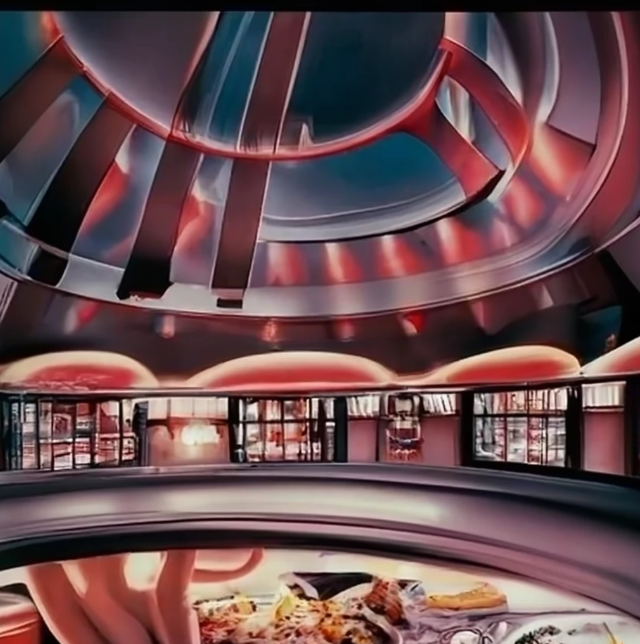
Gone are the days when travelers embarked on journeys to uncover unique local treasures. Instead, the landscape is now dominated by identical shops peddling the same products worldwide. Whether you find yourself in Paris or Tokyo, you’re likely to stumble upon the familiar sights of multinational retail chains, turning every street into a replica of the last.
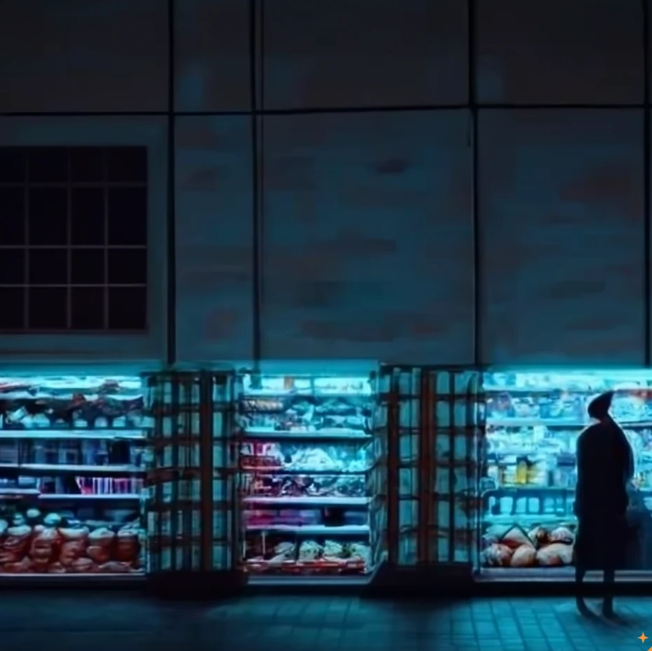
Even language, once a colorful variety of diverse tongues, is succumbing to this trend. English, the lingua franca of globalization, now reigns supreme in many corners of the world. The days of getting “Lost in Translation” are fading as we find ourselves comfortably “Found in Translation,” speaking a homogenized global dialect.

And what about the culinary delights that once defined our travels? Instead of savoring the rich tapestry of local flavors, we’re served a monotonous menu of dishes from the same global cuisine. It’s like dining at a never-ending “Planetary Buffet,” where every meal tastes eerily familiar, regardless of where you are.

But perhaps the most alarming aspect of this uniformity is its impact on our mindset. As communication and globalization erase cultural boundaries, we find ourselves increasingly homogenized in our thoughts and behaviors. From the way we dress to the selfies we snap, there’s a creeping sense of sameness that pervades every corner of the globe.
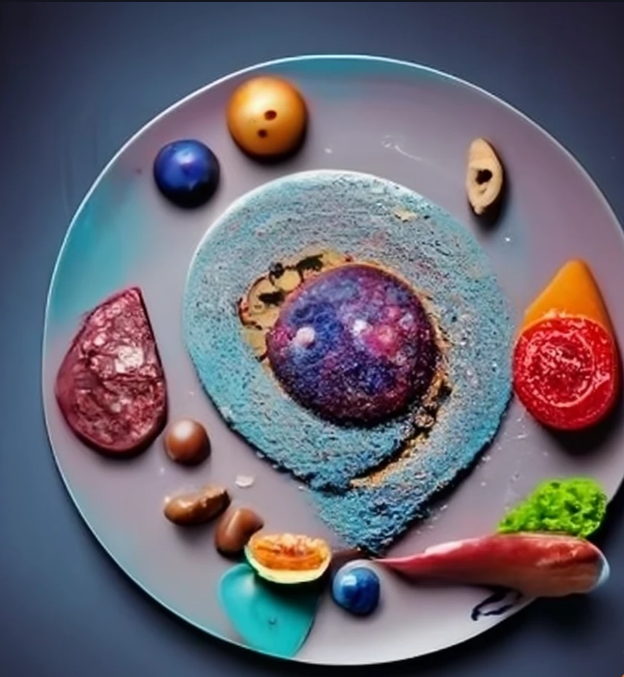
In the face of such uniformity, one is left to ponder — is the price of globalization worth the loss of diversity? Are we willing to sacrifice the richness of local cultures for the convenience of a standardized experience?

And so, as we stand at the crossroads of a rapidly changing world, the question remains — why travel when everything feels the same? The allure of once-quirky destinations now pales in comparison to the monotony of the “Planet of Sameness.” Perhaps it’s time to pause and rediscover the dance of local diversity before the curtain falls on the age of tourism as we know it.

In conclusion, whether you’re planning your next vacation or simply contemplating the state of our globalized world, remember to savor the unique flavors of local culture. For in a world that’s increasingly becoming a carbon copy of itself, it’s the variety of diversity that truly makes life worth exploring.

Note : I owe the phrase “the McDonalds-isation of the travel experience” to Anthony English

Tourism
Travel
Life
Culture
Globalization
Recommended from ReadMedium