
Is There Any Way To Ever End Racism?
It seems unlikely
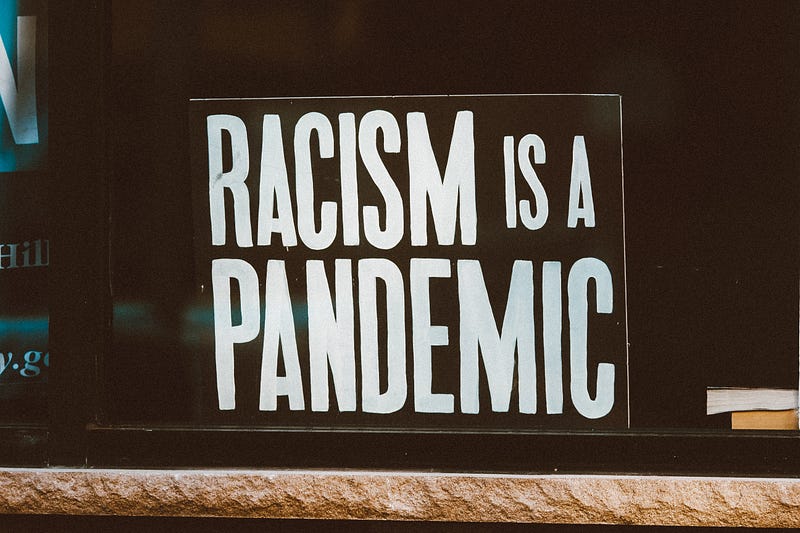
As the COVID pandemic continues, so does racism
People are people. They have faults and feelings. They are not all-loving and accepting. Most people are good at heart, but that cannot be said for all. There are those who will always have hate and who will exhibit racism.
Ending racism has been a goal of political and community leaders for decades. The overt segregation practices of the early days were largely removed by the 1960s, but racism did not end. Discrimination, prejudice, and racism are in evidence daily.
After the killing of George Floyd, a Black man who was detained by police and who subsequently died after an officer’s knee was placed on his throat so he could not breathe, racism came to a head once again. People were outraged at the racist actions against him.
It was during the coronavirus pandemic when the world was already in turmoil. Racism was on everyone’s mind during a period of months as demonstrations and rallies were held throughout the United States and even in some other parts of the world.
Some changes were made regarding racism and police brutality against Black men. Racism still did not end.
Americans of Japanese heritage experienced extreme racism with the unjust mass incarceration of Japanese Americans into camps during World War II. Conditions have improved for Asian Americans since then, but the COVID pandemic brought increased racism against people of Asian backgrounds after the rhetoric of certain political leaders.
Many African Americans are still regularly facing racism. Black people have suffered from racism and discrimination for generations. Some families have experienced racism and have not been able to overcome it.
Many African Americans, Asian Americans, and other minorities have been able to rise above racism and discrimination to become top leaders in government, law, medicine, sports, acting, music, and all fields of endeavor. Yet racism still continues to hold many back, especially if they are treated unfairly.
It is unlikely to be able to change the minds of those who are hateful, ignorant, and intolerant.
It will be difficult to completely eradicate racism, but it is possible to make the world better if enough good people are willing to do their part for justice.
The state of race relations in the United States is at a critical juncture. There is so much divisiveness and hate even without racism being a factor. Conditions can and must improve. We can each do our part by speaking up, protesting peacefully, donating to worthy causes, educating others, or simply being kind and accepting of everyone.
Racism must be curbed and contained if not completely removed from society.
[Reference: The Japanese American Story as Told Through a Collection of Speeches and Articles, www.thejapaneseamericanstory.com]


