The White Lotus S1 Defies Any Genre Until…
Tragedy you die, comedy you get hitched
The tragedy of happy endings
Dustin Hoffman said it best in Stranger Than Fiction (YouTube): “Tragedy, you die. Comedy, you get hitched.”
So based on that…is The White Lotus (YouTube) a comedy or tragedy?
What is there to fear but absolutely nothing?
Of what are you afraid?
“Of dying.”
I not even of that.
“Then you’re afraid of nothing?”
Alas, I am afraid, afraid …
— “Separation” by Friedrich Klopstock
Death at its core scares us because of the fear of a lack of significance or permanence. It is in a sense a fear of the great Nothing.
There’s a saying about the great “Nothing” in recovery circles. Often, newcomers say they can’t let go of x/y/z, even if that behavior, person, or substance is killing them.
Why? Because if they don’t have that, they have nothing. And we tell them, “But maybe this time, having nothing is better than what’s there.”
Sometimes, it’s only in letting go of what doesn’t work that we make space for what can.
What happens to a story when a characters gives up everything to hold on to one thing? The answer for each character reveals whether The White Lotus is a comedy or tragedy.
The characters
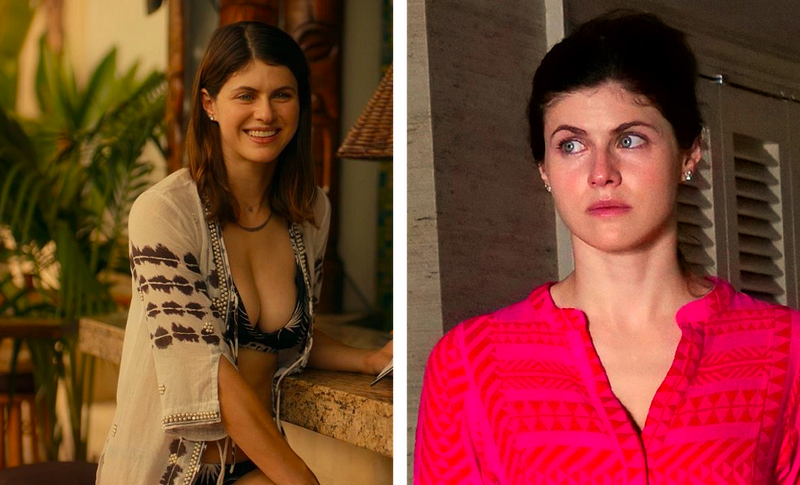
Rachel asserts her identity, needs, and limits with increasing confidence. But everyone she turns to shits on her.
First the kids. Then Nicole. On and on.
And when she leaves Shane, Belinda confirms her worst fear. Being free may mean finding her way alone.
So she relents. She returns to Shane. At least he’ll have her.
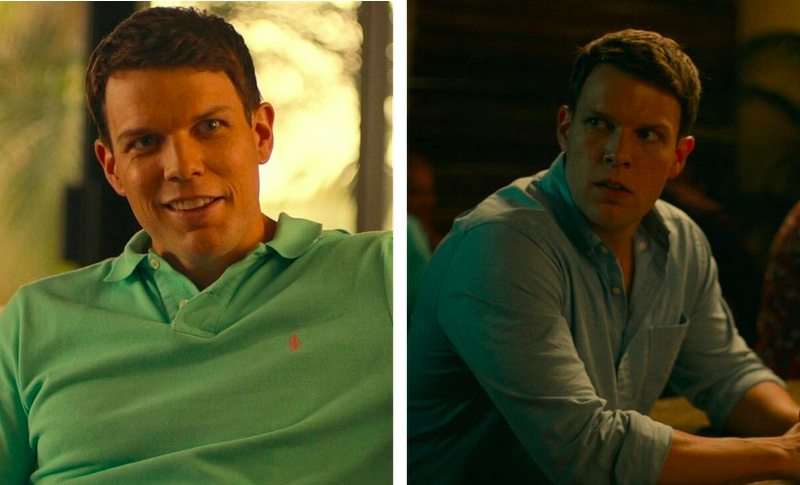
Shane has the standard fear of abusive narcissists. He fears anyone and anything that is not an extension of him, his feelings, his limits. He fears that his “love” will not be enough for his wife, because that possessive illusion is the most he has to offer.
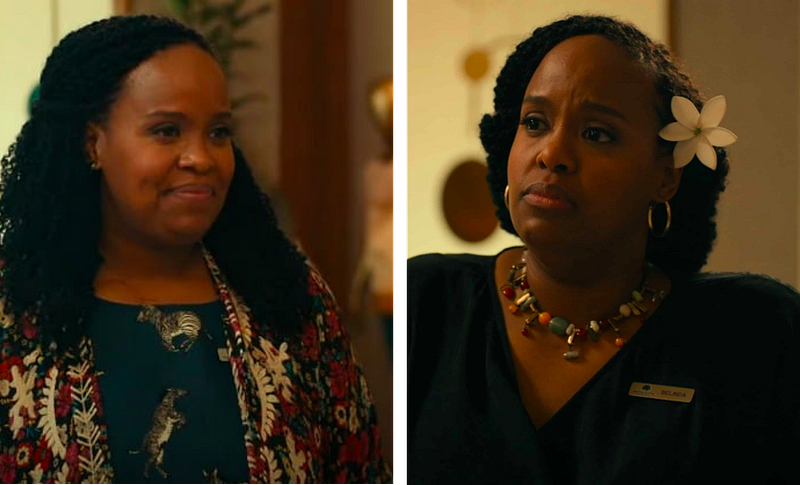
Belinda resists Tanya…at first. But then is driven by the fear that this may be her only shot for something more. She gives in to the fear that indulging a transactional relationship is the only way to get ahead. Is it worth the risk? In the end, the betrayal breaks her heart.
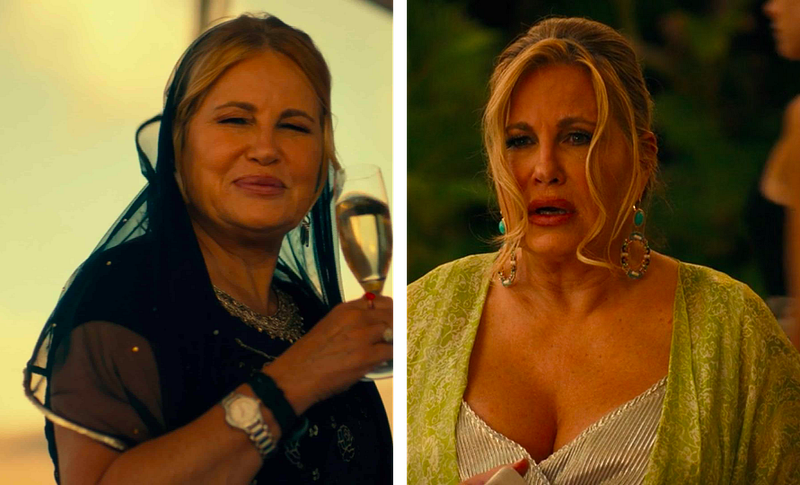
Tanya has a chance at a real human connection, but she instead hitches her ride to another compulsive addict. A man staring so closely at death that only the intensity of her dysfunction and casual violations of others is enough to satisfy his wild abandon.
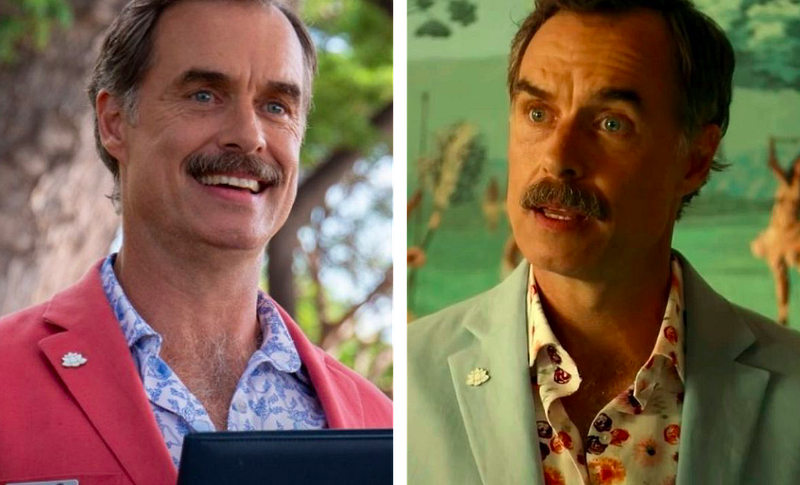
Armond has chance after chance to turn away from a new rock bottom, but as drugs begin to sabotage his life again, he leaves himself with fewer reasons not to give in to excess. He uses his last day of work to fulfill his every indulgence. Of course he literally dies. He made sure his life was over.
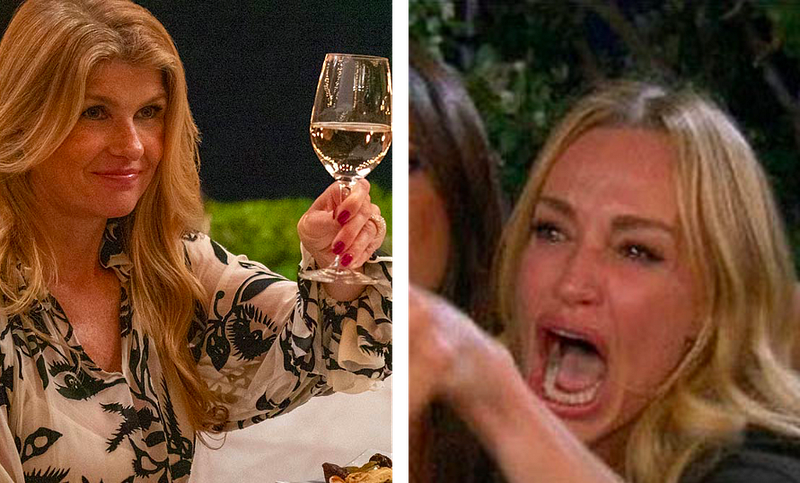
Nicole, like Shane, excels at improving others lives — but only those who reinforce that her way of life is the One True Path. She cannot withstand even glowing admiration from Rachel if phrased in a way she doesn’t like.
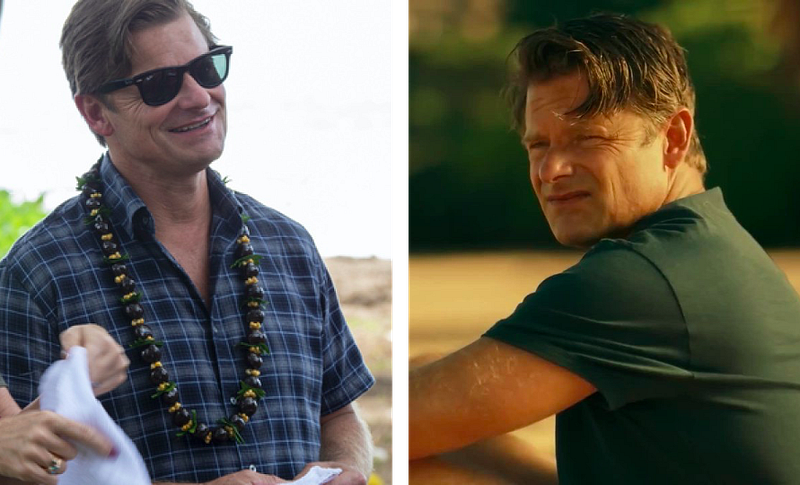
Mark fears that he will never be a good enough Man. Not for his wife. Not for his kids. Not even for the random strangers at the hotel that give him no R-E-S-P-E-C-T. And certainly not those girls he had no business hitting on.
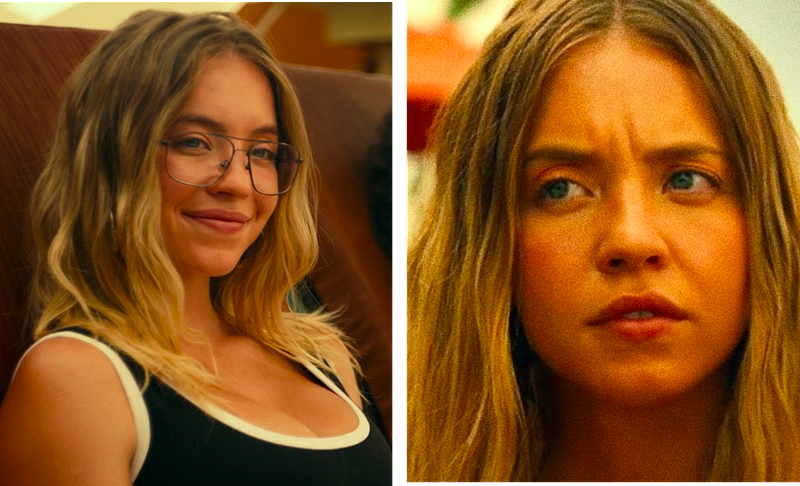
Olivia fears that all of her earnest ethics and progressive ambition won’t save her from turning into her mom. It will, in fact, prove to her closest friend that she is just like her mother.
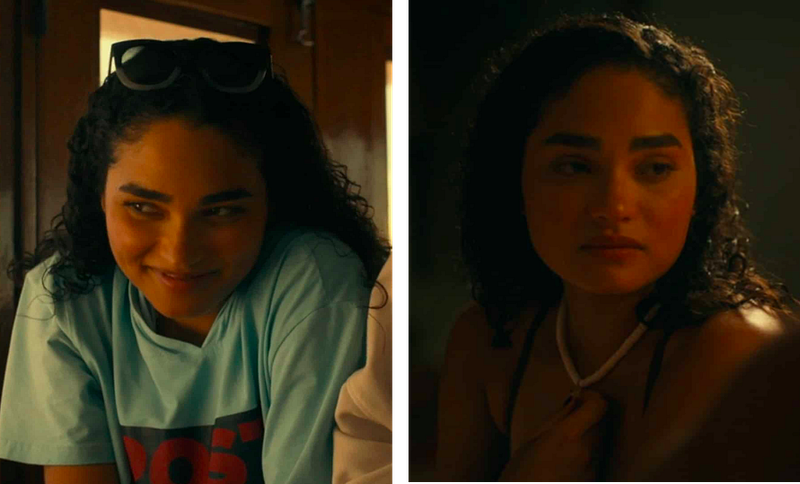
Paula fears that people only love her if she gives them what they want. She fears that if she even once takes something for herself, destiny will slap her back down. Right or wrong, she faces terrible losses from her decision to take the necklace and help Kai.
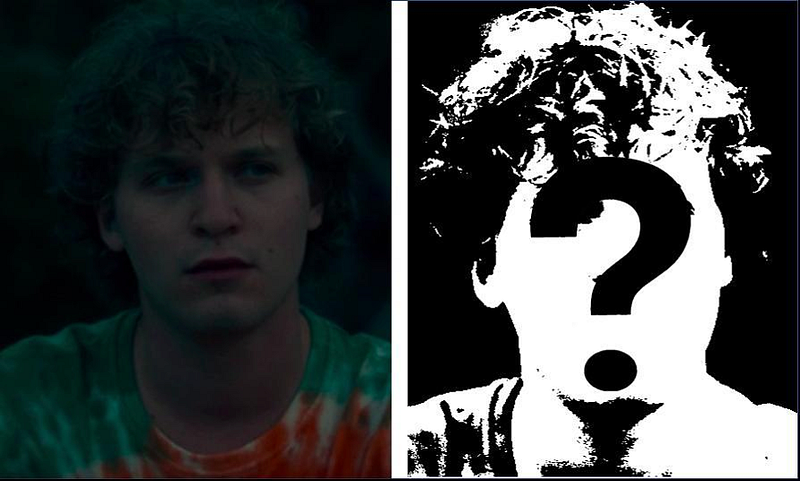
Quinn holds on to every available vice, but one by one, they’re swept away with the ocean’s tide.
Sometimes literally, poor guy.
Look at the end of episode two. Each character faces a new calamity from pursuing their vices, and Quinn is left with nothing.
And yet like the hero in Darren Aronofsky’s under-appreciated The Fountain (YouTube), Quinn discovers that the emptiness he feared is the one place where he can find himself. It’s in that empty space on the beach that Quinn sees a whale break the surface of the ocean.
The white whale
That’s why I turned more serious even than you did, deeper in the soul, when the corpse was carried past us. — “Separation” by Friedrich Klopstock
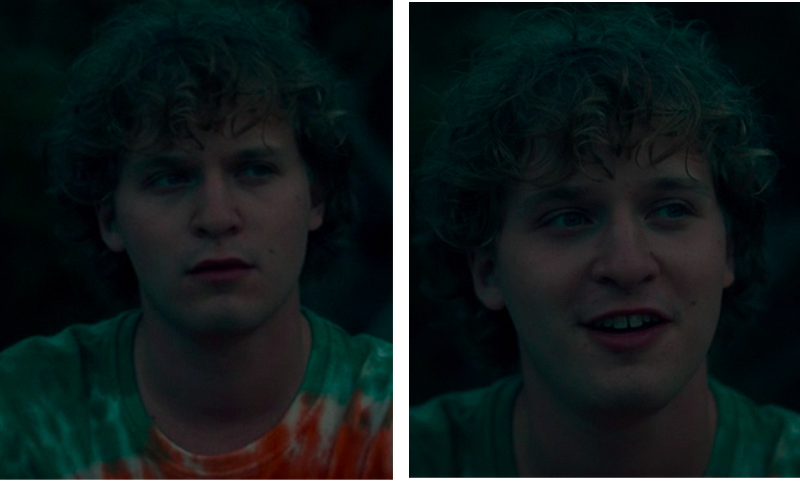
It’s a moment that’s as easy for the audience to miss as it would have been for Quinn. If you’re holding your phone, nothing happens to force your attention to that brief shot of a whale. You’re either present in the moment, or you’re not.
While the other characters face bleak futures in a cycle with ever-diminishing returns, Quinn discovers the joy that comes only from being both ready and willing.
Quinn, like the other characters, continues to lose everything he once thought bulletproof. At least knife proof. By the end, none of the characters have what they started with — except one, and that’s a victory that may as well be a defeat.
In some recovery circles, this is referred to as “rock bottom.” It’s the worst feeling you’ll ever face. Probably the worst literal circumstances, if you play your hand hard enough.
But it’s also an urgent moment of clarity. A moment of opportunity. A rare chance to see your life clearly and make new choices.
A happily for now to all tragedies
What is to become of Quinn after the final episode? Will it work out? It doesn’t matter. The outcome isn’t the point.
Quinn chooses to break the cycle. That’s true to recovery as well. Most people don’t make it out, but we stick with the ones who do.