
Is The Space As We Think
Space is one of the most awe-inspiring and mysterious aspects of our universe.
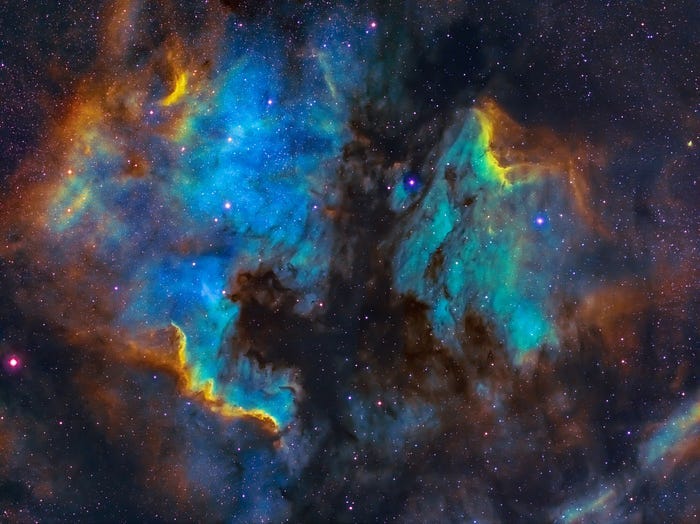
What Is Space?
For centuries, scientists and philosophers have pondered over the many unknowns of the cosmos, leading to advances in astronomy, physics, and technology.
Today, space exploration is an integral part of understanding our universe, with numerous organizations such as NASA and SpaceX making advances in robotic and human spaceflight.
While space is the subject of much fascination and research, there is still so much that remains a mystery.
From black holes and star clusters to planets and asteroids, here you’ll find information about the science, exploration, and discovery of our incredible universe.
Is Space As We Think?
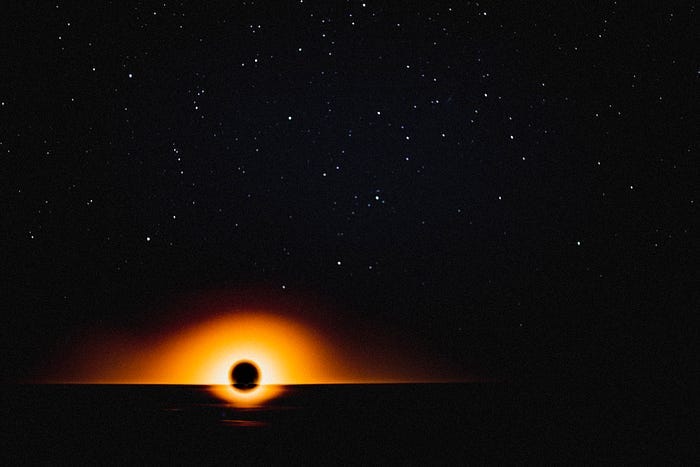
Well, to your surprise, the answer is No. Space is not as we think.
In reality, space is more than just an idea, as it comprises the entire physical universe and its components.
From the atoms, galaxies, stars, and other celestial objects that make up the universe to the vast emptiness of space, our perception of space is limited and often misleading.
Theories About Space
1. The Big Bang: The Big Bang Theory is the leading scientific theory of how our universe was formed.
It states that around 14 billion years ago, all of the matter was concentrated in a boiling, dense point known as a singularity.
In an instant, the singularity expanded, rapidly creating the space and matter that makes up the universe today.
2. Dark Matter Theory: Dark Matter is a matter that has never been directly observed but that scientists believe must exist to explain specific observational data about galaxies and the universe.
Dark matter does not interact with any ordinary matter and radiation, making it difficult to detect and measure. Despite its invisibility, dark matter makes up around 85% of the mass in the universe.
3. Black Hole Theory: A black hole is a region where gravity is so strong that nothing can escape not even light.
This makes it impossible to observe them directly, although scientists can keep their effects on nearby objects. Black holes are thought to form when stars die and collapse on themselves, although many questions remain unanswered.
4. The Theory of Relativity: The Theory of Relativity, first formulated by Albert Einstein in 1905, explains how gravity affects the passage of time and the curvature of space.
This theory explains why massive objects cause space to bend around them and why objects traveling close to the speed of light experience time dilation.
Key Message: The theory of relativity is one of pillars of modern physics and provides a deep insight into the nature of our universe.
I write about facts, poems, history, and entertainment follow and subscribe so you can get the best experience of writing
Follow my referral link for more interesting stories tips and more