avatarZachary Walston, PT, DPT, OCS

Free AI web copilot to create summaries, insights and extended knowledge, download it at here

7090

Abstract

  <div>
          <div>
            <h2>Effects of stretching before and after exercising on muscle soreness and risk of injury: systematic…</h2>
            <div><h3>Stretching before or after exercising does not confer protection from muscle soreness. Stretching before exercising…</h3></div>
            <div><p>pubmed.ncbi.nlm.nih.gov</p></div>
          </div>
          <div>
            <div style="background-image: url(https://miro.readmedium.com/v2/resize:fit:320/0*8Gk5NquQ4avJmmDs)"></div>
          </div>
        </div>
      </a>
    </div><div id="e6e4" class="link-block">
      <a href="https://pubmed.ncbi.nlm.nih.gov/15782063/">
        <div>
          <div>
            <h2>Effect of stretching on sport injury risk: a review - PubMed</h2>
            <div><h3>Objective: Effect of Stretching on Sport Injury Risk: a Review To assess the evidence for the effectiveness of…</h3></div>
            <div><p>pubmed.ncbi.nlm.nih.gov</p></div>
          </div>
          <div>
            <div style="background-image: url(https://miro.readmedium.com/v2/resize:fit:320/0*pF0Kb6vyH70iOZiM)"></div>
          </div>
        </div>
      </a>
    </div><div id="7534" class="link-block">
      <a href="https://pubmed.ncbi.nlm.nih.gov/18337359/">
        <div>
          <div>
            <h2>Prevention of overuse injuries by a concurrent exercise program in subjects exposed to an increase…</h2>
            <div><h3>An exercise program with an emphasis on muscular strengthening, coordination, and flexibility based on intrinsic risk…</h3></div>
            <div><p>pubmed.ncbi.nlm.nih.gov</p></div>
          </div>
          <div>
            <div style="background-image: url(https://miro.readmedium.com/v2/resize:fit:320/0*CnX9P2PiBzwWeowu)"></div>
          </div>
        </div>
      </a>
    </div><p id="6c01">No, this is not a comprehensive list, but it highlights the issues with assuming stretching prevents injuries. Injury prevention is far too complex and multifaceted to be impacted by stretching.</p><h2 id="1dad">Stretching as a warmup</h2><p id="1b7b">We must answer three questions in this section: what is a warm-up, do warm-ups work in general, is stretching an effective warm-up? Like stretching before every soccer and football practice, physical therapists have been prescribing warm-ups prior to the start of their session for decades. You could argue a warm-up has many of the same goals I listed for stretching: injury prevention, improving mobility, pain reduction and pleasure, compounding strength, and performance gains. When assessing the research, warm-ups appear to be effective in many different areas.</p><p id="e4e3">The goal of a warm-up is to increase muscle temperature and prepare the body for the demands of the specific activity to be performed at moderate and high intensity while maintaining high-energy phosphate bioavailability.</p><p id="1dec">A passive warm-up — such as a hot shower or using heated garments — only provides benefits for about 15–20 minutes, indicating a need to immediately perform the intended activity. Note, hot packs do not achieve this benefit as they insufficiently warm the body.</p><p id="5c8a">Overall, the evidence points to the need for a warm-up to include dynamic activity and be of adequate duration and intensity to create a genuine “warming up” of the muscles. Furthermore, sport or activity specific activity appears to be necessary to maximize the effects on performance and injury prevention.</p><p id="07ab">But what about dynamic stretching? I would argue you are no longer stretching. Repeated movements, especially when they replicate the soon-to-be performed physical activity, are a type of mobilization. The repeated muscular contraction ramps metabolic activity and generates heat. This heat contributes to tissue adaptations such as increase muscle extensibility and thus becomes a dynamic warm-up. Research supports dynamic warm-ups for enhancing performance and minimizing injury occurrence. But the benefits are enhanced when the warm-ups are tasks specific. Dynamic “stretching” may be best served at the beginning of a warm-up, but then a transition to tasks specific movement is needed.</p><p id="f638">One of the more popular and evidence-backed warm-up routines was designed as an injury prevention strategy. The “11+” program — sometimes called the FIFA 11 — has demonstrated <a href="https://www.ncbi.nlm.nih.gov/pmc/articles/PMC5704377/">favorable injury prevention</a> results when the compliance is high. The 20-minute warm-up consists of two stages of running exercises and a stage of strength, plyometric and balance exercises in between. No stretching in sight.</p><h2 id="8011">How about treatment?</h2><figure id="b29b"><img src="https://cdn-images-1.readmedium.com/v2/resize:fit:800/0*RUpzYycxp0XG3Nr2"><figcaption>Photo by <a href="https://unsplash.com/@inspiredhorizonsdigitalmarketing?utm_source=medium&amp;utm_medium=referral">Inspired Horizons Digital Marketing</a> on <a href="https://unsplash.com?utm_source=medium&amp;utm_medium=referral">Unsplash</a></figcaption></figure><p id="9c41">Should therapists and trainers prescribe stretching as a treatment intervention for people in pain? There are two primary areas we need to evaluate here as well. Does stretching facilitate healing and do the expected benefits of stretching, primarily greater flexibility, improve function and performance?</p><p id="3852">The first question is simple: no. <b>Stretching does not facilitate healing</b>. It doesn’t support recovery in general, including delayed onset muscle soreness. You will have to find some other means of decreasing the post-leg-day waddle.</p><p id="c4be">As for the second question, <b>research does not support stretching as an effective means to improve performance; it may even worsen it as power output decreases</b>. Stretching does provide some short-term flexibility improvements, which we will explore further, but are they necessary?</p><p id="2622">A primary argument of support for stretching lies in the perceived importance of flexibility. Herein lies the primary issue. In general, flexibility is not very important. At the anecdotal level, you will find world-class athletes — such as British middle- and long-distance runner and 5,000 meters world record holder, David Moorcroft — who can barely reach their shins when standing. Even athletes and coaches participating in sports in which flexibility is accepted as a vital component, such as ballet, are recognizing the likely futility of static stretching. The Australian Ballet has completely replaced stretching with full range of motion strength training. Of course, I will not rely on anecdotal evidence to make the point.</p><p id="526c">First, let’s explore the impact of stretching on flexibility. Weppler and Magnusson provide some insight in their paper <a href="https://pubmed.ncbi.nlm.nih.gov/20075147/">Increasin

Options

g Muscle Extensibility: A Matter of Increasing Length or Modifying Sensation?</a></p><p id="6076">Studies that evaluated the biomechanical effect of stretching showed that muscle length does increase during stretch application due to the viscoelastic properties of muscle. However, this length increase is transient. Most of these studies suggest that <b>increases in muscle extensibility observed after a single stretching session and after short-term (3- to 8-week) stretching programs are due to modified sensation</b>. The biomechanical effects of long-term (>8 weeks) and chronic stretching programs have not yet been evaluated.</p><h2 id="bf50">Stretching is not the only way to improve flexibility</h2><p id="72cb">The ability for strength training to improve mobility has been demonstrated in the literature for <a href="https://journals.lww.com/jbjsjournal/Abstract/1945/27040/RESTORATION_OF_MUSCLE_POWER_BY_HEAVY_RESISTANCE.14.aspx">75 years</a>. Recent research has demonstrated strength training through the full range of motion, without the inclusion of stretching, can improve sit and reach scores 10–25% (I wish I knew that in high school).</p><p id="2777">We see similar benefits following aerobic training but the evidence is more sparse and the studies are multimodal rather than exclusively assessing aerobic training. Regardless of the method, it appears dynamic exercise yields positive mobility benefits across all ages and fitness levels. We still haven’t answered the primary question though. Is increased flexibility necessary? To an extent.</p><h2 id="c2fc">Is flexibility important?</h2><figure id="04ad"><img src="https://cdn-images-1.readmedium.com/v2/resize:fit:800/0*kwB_aQlLJTF4lsdv"><figcaption>Photo by <a href="https://unsplash.com/@yogimadhav?utm_source=medium&amp;utm_medium=referral">Indian Yogi (Yogi Madhav)</a> on <a href="https://unsplash.com?utm_source=medium&amp;utm_medium=referral">Unsplash</a></figcaption></figure><p id="9192">In graduate school, we learned about the necessary range of motion thresholds for functional tasks, such as the amount of knee and ankle mobility necessary to descend stairs. While these thresholds are needed for ‘normal’ movement patterns, they are not strictly necessary to perform a task. If you can only flex a knee to 90 degrees, you are not doomed to a life of avoiding stairs. If you are only able to flex your shoulder to 90 degrees, you will still manage to wash your hair. Our bodies are remarkably resilient and adaptive. Yes, some compensatory movement patterns may result in pain or risk for injury, but it is far from a guarantee.</p><p id="25bb">The danger setting a range of motion standard — the within normal or functional limits designations — is we ignore differing anatomy and physiology. Baseball pitchers will differ in shoulder rotation bilaterally due to connective tissue adaptations resulting from repeated throwing, including humeral retroversion — a twisting of the bone.</p><p id="93d8">Squat mechanics differ between someone 5’8” and someone 6’8” because of differing proportions of their femur and tibia lengths relative to their trunk. Spinal mobility will decrease with age or history of trauma without concurrent pain or function changes. None of these changes will alter a person’s life, but they will stand out during an examination or session with a trainer. Furthermore, many of the findings are either optimal (the baseball player) or unable to change (the squatters).</p><p id="b609">So, what mobility ‘restrictions’ should we be concerned about. To answer this, you must first ask yourself if the mobility restriction negatively impacting you? If not, it doesn’t matter. Many demands, such as achieving challenging yoga poses, will improve with repetition. Others, such as bending down and touching your toes, are irrelevant.</p><p id="7623"><b>Static stretching is often not the answer to physical fitness concerns.</b> But that does not mean static stretching is a complete waste of time.</p><h2 id="a865">Stretching for the fun of it</h2><figure id="257c"><img src="https://cdn-images-1.readmedium.com/v2/resize:fit:800/0*_SVfPI1s8CZIjGYL"><figcaption>Photo by <a href="https://unsplash.com/@zibik?utm_source=medium&amp;utm_medium=referral">zibik</a> on <a href="https://unsplash.com?utm_source=medium&amp;utm_medium=referral">Unsplash</a></figcaption></figure><p id="c1e8">Yes, you can stretch for fun. For some, this seems like a ridiculous proposition. Since when is stretching fun?</p><p id="3842">Perhaps fun is the wrong word. How about relaxing? After sitting for a long period, going on a long run, or getting ready for bed, stretching can facilitate relaxation.</p><p id="31f6">In the end, we must ask what the primary goal of the stretching is. As we have seen with the aforementioned studies, outside of reaching a threshold for P.E. class fitness testing so your parents can proudly brag about their ‘presidential physical fitness’ child, the increase doesn’t provide much benefit. James Nuzzo sums up his view on using flexibility as a major component of physical fitness in his 2020 paper aptly titled <a href="https://link.springer.com/article/10.1007/s40279-019-01248-w">“The Case for Retiring Flexibility as a Major Component of Physical Fitness”</a>. He wrote:</p><blockquote id="e464"><p><i></i>Flexibility has been researched for over 100 years. Its track record is unimpressive, particularly when viewed in light of other components of physical fitness. Flexibility lacks predictive and concurrent validity value with meaningful health and performance outcomes. Consequently, it should be retired as a major component of fitness”</p></blockquote><p id="60d8">Some may view this as harsh, but he came to this conclusion after assessing over 300 studies on the topic. Even for the studies that show a benefit in performance or injury prevention, the effect sizes are small, and the study designs are weak.</p><p id="862e">We must be wary of anecdotal evidence. Stretching has been passed down unquestioned for generations in athletics and healthcare. The sunk-cost fallacy of past investments of time, money, and effort may tug at us. The confirmation bias of our past success following stretching or the anecdotal guarantee from a mentor or coach may weigh heavily on our mind as well. There are many cognitive biases at play when determining the best course of care.</p><p id="2d96">If we critically evaluate the research, looking at both sides of any argument, we can make an informed decision. In the case of stretching, research simply does not support its supposed benefits.</p><p id="bdff">Zach is a <a href="http://ptsolutions.com">physical therapist</a>, researcher, and educator whose mission is to challenge the way clinicians think and close the information gap between clinicians and laypersons. Receive a biweekly newsletter containing his latest blog posts, recent research and articles on critical thinking and healthy living, and recommended books at <a href="http://zacharywalston.com">zacharywalston.com</a>.</p></article></body>

Is Stretching Worth the Effort?

Debunking common stretching myths

Photo by Alora Griffiths on Unsplash

This title may appear to be a dumb question to some. Stretching is a natural part of all exercise. We stretch during gym class, before starting a group run, information during football practice. Heck, if don’t stretch we will never get the fancy Presidential Fitness bumper stickers for our parents.

As a physical therapist, I was taught stretching in graduate school and I routinely witness stretching in the clinic. But history and anecdotal evidence do not answer the question. Should you stretch before athletic events? Is flexibility important? Should therapists prescribe it to their patients?

These are not simple yes or no answers. The evidence is not clear, but neither were my questions. Stretching does not have a single goal. Justification for its use include injury prevention, improving mobility, a warm-up prior to physical activity, pain reduction, pleasure, enhancing strength and performance gains, and general health. The effectiveness of stretching differs depending on the end goal. Allow me to break it down.

Stretching for injury prevention
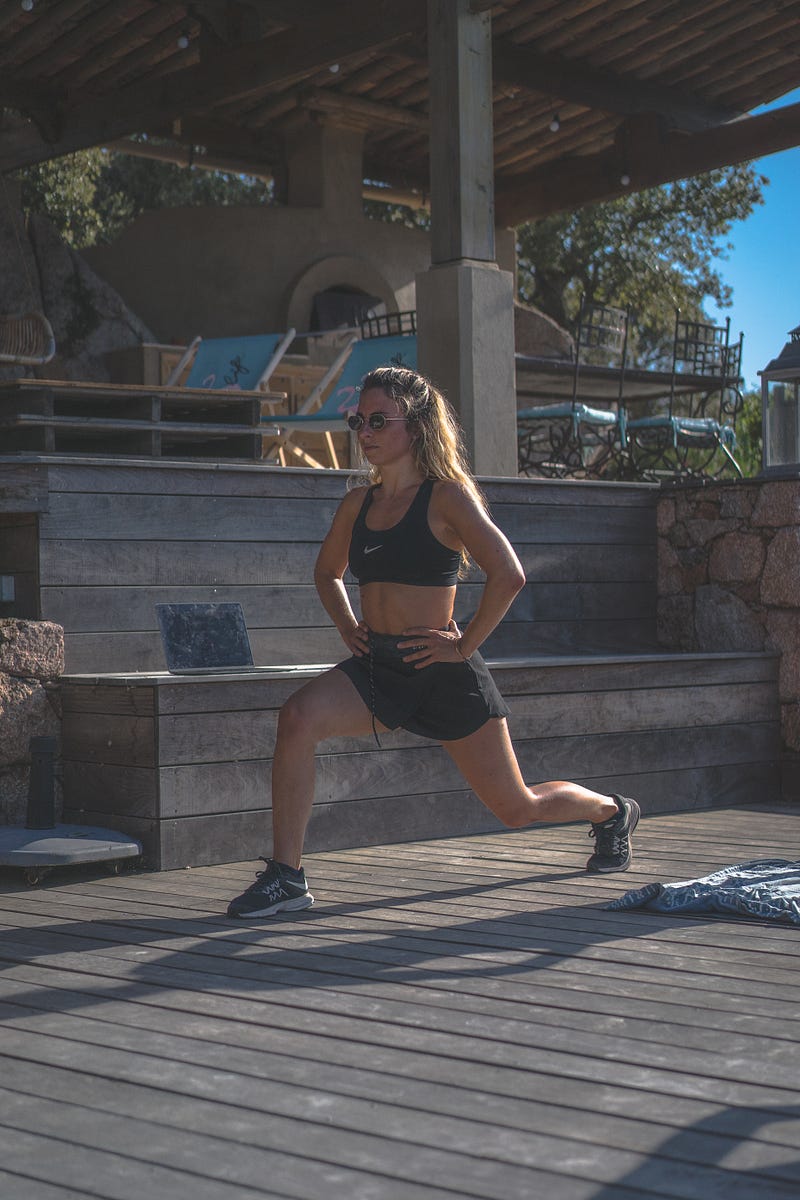
Photo by Big Dodzy on Unsplash

Despite the current evidence, the idea stretching prevents injury — even enhances performance — is taught as a common fact; suggesting otherwise is met with incredulity. Every kid growing up in organized sports has experienced lining up and running through the series of stretches comprising the majority of a warm-up. The act of stretching prior to activity has been passed down as common knowledge for generations. It spreads beyond organized sports as well. Running groups everywhere start their morning runs with a stretch of the quadriceps, hamstrings, adductions, and gastrocnemius. Yet, it is likely they were not reducing their risk for injury or physically preparing for the run.

If your coach’s sage wisdom and anecdotal experiences are weighing heavily on you, allow me to provide some clarity. Here is a sampling of the studies that show stretching does not influence injury prevention

No, this is not a comprehensive list, but it highlights the issues with assuming stretching prevents injuries. Injury prevention is far too complex and multifaceted to be impacted by stretching.

Stretching as a warmup

We must answer three questions in this section: what is a warm-up, do warm-ups work in general, is stretching an effective warm-up? Like stretching before every soccer and football practice, physical therapists have been prescribing warm-ups prior to the start of their session for decades. You could argue a warm-up has many of the same goals I listed for stretching: injury prevention, improving mobility, pain reduction and pleasure, compounding strength, and performance gains. When assessing the research, warm-ups appear to be effective in many different areas.

The goal of a warm-up is to increase muscle temperature and prepare the body for the demands of the specific activity to be performed at moderate and high intensity while maintaining high-energy phosphate bioavailability.

A passive warm-up — such as a hot shower or using heated garments — only provides benefits for about 15–20 minutes, indicating a need to immediately perform the intended activity. Note, hot packs do not achieve this benefit as they insufficiently warm the body.

Overall, the evidence points to the need for a warm-up to include dynamic activity and be of adequate duration and intensity to create a genuine “warming up” of the muscles. Furthermore, sport or activity specific activity appears to be necessary to maximize the effects on performance and injury prevention.

But what about dynamic stretching? I would argue you are no longer stretching. Repeated movements, especially when they replicate the soon-to-be performed physical activity, are a type of mobilization. The repeated muscular contraction ramps metabolic activity and generates heat. This heat contributes to tissue adaptations such as increase muscle extensibility and thus becomes a dynamic warm-up. Research supports dynamic warm-ups for enhancing performance and minimizing injury occurrence. But the benefits are enhanced when the warm-ups are tasks specific. Dynamic “stretching” may be best served at the beginning of a warm-up, but then a transition to tasks specific movement is needed.

One of the more popular and evidence-backed warm-up routines was designed as an injury prevention strategy. The “11+” program — sometimes called the FIFA 11 — has demonstrated favorable injury prevention results when the compliance is high. The 20-minute warm-up consists of two stages of running exercises and a stage of strength, plyometric and balance exercises in between. No stretching in sight.

How about treatment?
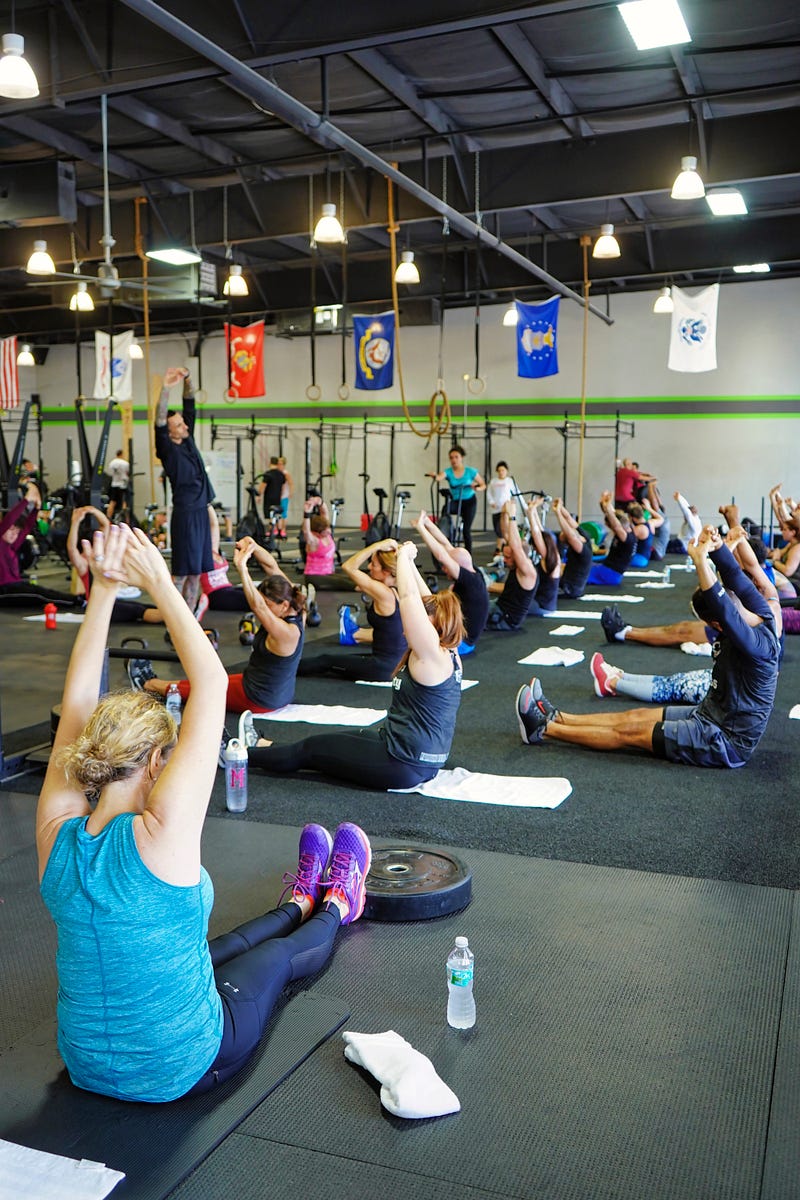
Photo by Inspired Horizons Digital Marketing on Unsplash

Should therapists and trainers prescribe stretching as a treatment intervention for people in pain? There are two primary areas we need to evaluate here as well. Does stretching facilitate healing and do the expected benefits of stretching, primarily greater flexibility, improve function and performance?

The first question is simple: no. Stretching does not facilitate healing. It doesn’t support recovery in general, including delayed onset muscle soreness. You will have to find some other means of decreasing the post-leg-day waddle.

As for the second question, research does not support stretching as an effective means to improve performance; it may even worsen it as power output decreases. Stretching does provide some short-term flexibility improvements, which we will explore further, but are they necessary?

A primary argument of support for stretching lies in the perceived importance of flexibility. Herein lies the primary issue. In general, flexibility is not very important. At the anecdotal level, you will find world-class athletes — such as British middle- and long-distance runner and 5,000 meters world record holder, David Moorcroft — who can barely reach their shins when standing. Even athletes and coaches participating in sports in which flexibility is accepted as a vital component, such as ballet, are recognizing the likely futility of static stretching. The Australian Ballet has completely replaced stretching with full range of motion strength training. Of course, I will not rely on anecdotal evidence to make the point.

First, let’s explore the impact of stretching on flexibility. Weppler and Magnusson provide some insight in their paper Increasing Muscle Extensibility: A Matter of Increasing Length or Modifying Sensation?

Studies that evaluated the biomechanical effect of stretching showed that muscle length does increase during stretch application due to the viscoelastic properties of muscle. However, this length increase is transient. Most of these studies suggest that increases in muscle extensibility observed after a single stretching session and after short-term (3- to 8-week) stretching programs are due to modified sensation. The biomechanical effects of long-term (>8 weeks) and chronic stretching programs have not yet been evaluated.

Stretching is not the only way to improve flexibility

The ability for strength training to improve mobility has been demonstrated in the literature for 75 years. Recent research has demonstrated strength training through the full range of motion, without the inclusion of stretching, can improve sit and reach scores 10–25% (I wish I knew that in high school).

We see similar benefits following aerobic training but the evidence is more sparse and the studies are multimodal rather than exclusively assessing aerobic training. Regardless of the method, it appears dynamic exercise yields positive mobility benefits across all ages and fitness levels. We still haven’t answered the primary question though. Is increased flexibility necessary? To an extent.

Is flexibility important?
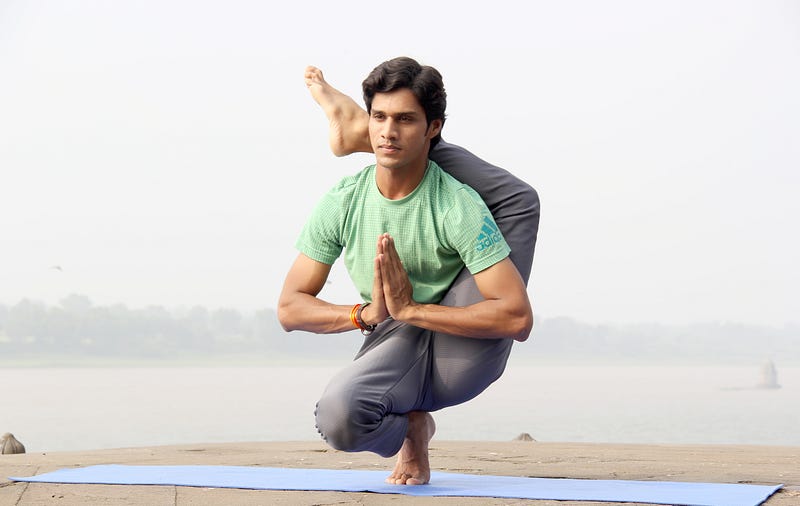
Photo by Indian Yogi (Yogi Madhav) on Unsplash

In graduate school, we learned about the necessary range of motion thresholds for functional tasks, such as the amount of knee and ankle mobility necessary to descend stairs. While these thresholds are needed for ‘normal’ movement patterns, they are not strictly necessary to perform a task. If you can only flex a knee to 90 degrees, you are not doomed to a life of avoiding stairs. If you are only able to flex your shoulder to 90 degrees, you will still manage to wash your hair. Our bodies are remarkably resilient and adaptive. Yes, some compensatory movement patterns may result in pain or risk for injury, but it is far from a guarantee.

The danger setting a range of motion standard — the within normal or functional limits designations — is we ignore differing anatomy and physiology. Baseball pitchers will differ in shoulder rotation bilaterally due to connective tissue adaptations resulting from repeated throwing, including humeral retroversion — a twisting of the bone.

Squat mechanics differ between someone 5’8” and someone 6’8” because of differing proportions of their femur and tibia lengths relative to their trunk. Spinal mobility will decrease with age or history of trauma without concurrent pain or function changes. None of these changes will alter a person’s life, but they will stand out during an examination or session with a trainer. Furthermore, many of the findings are either optimal (the baseball player) or unable to change (the squatters).

So, what mobility ‘restrictions’ should we be concerned about. To answer this, you must first ask yourself if the mobility restriction negatively impacting you? If not, it doesn’t matter. Many demands, such as achieving challenging yoga poses, will improve with repetition. Others, such as bending down and touching your toes, are irrelevant.

Static stretching is often not the answer to physical fitness concerns. But that does not mean static stretching is a complete waste of time.

Stretching for the fun of it
Photo by zibik on Unsplash

Yes, you can stretch for fun. For some, this seems like a ridiculous proposition. Since when is stretching fun?

Perhaps fun is the wrong word. How about relaxing? After sitting for a long period, going on a long run, or getting ready for bed, stretching can facilitate relaxation.

In the end, we must ask what the primary goal of the stretching is. As we have seen with the aforementioned studies, outside of reaching a threshold for P.E. class fitness testing so your parents can proudly brag about their ‘presidential physical fitness’ child, the increase doesn’t provide much benefit. James Nuzzo sums up his view on using flexibility as a major component of physical fitness in his 2020 paper aptly titled “The Case for Retiring Flexibility as a Major Component of Physical Fitness”. He wrote:

Flexibility has been researched for over 100 years. Its track record is unimpressive, particularly when viewed in light of other components of physical fitness. Flexibility lacks predictive and concurrent validity value with meaningful health and performance outcomes. Consequently, it should be retired as a major component of fitness”

Some may view this as harsh, but he came to this conclusion after assessing over 300 studies on the topic. Even for the studies that show a benefit in performance or injury prevention, the effect sizes are small, and the study designs are weak.

We must be wary of anecdotal evidence. Stretching has been passed down unquestioned for generations in athletics and healthcare. The sunk-cost fallacy of past investments of time, money, and effort may tug at us. The confirmation bias of our past success following stretching or the anecdotal guarantee from a mentor or coach may weigh heavily on our mind as well. There are many cognitive biases at play when determining the best course of care.

If we critically evaluate the research, looking at both sides of any argument, we can make an informed decision. In the case of stretching, research simply does not support its supposed benefits.

Zach is a physical therapist, researcher, and educator whose mission is to challenge the way clinicians think and close the information gap between clinicians and laypersons. Receive a biweekly newsletter containing his latest blog posts, recent research and articles on critical thinking and healthy living, and recommended books at zacharywalston.com.

Exercise
Stretching
Fitness
Health
Healthy Lifestyle
Recommended from ReadMedium