
Is Social Media the Root Cause for Distraction?
How to overcome distractions for real.
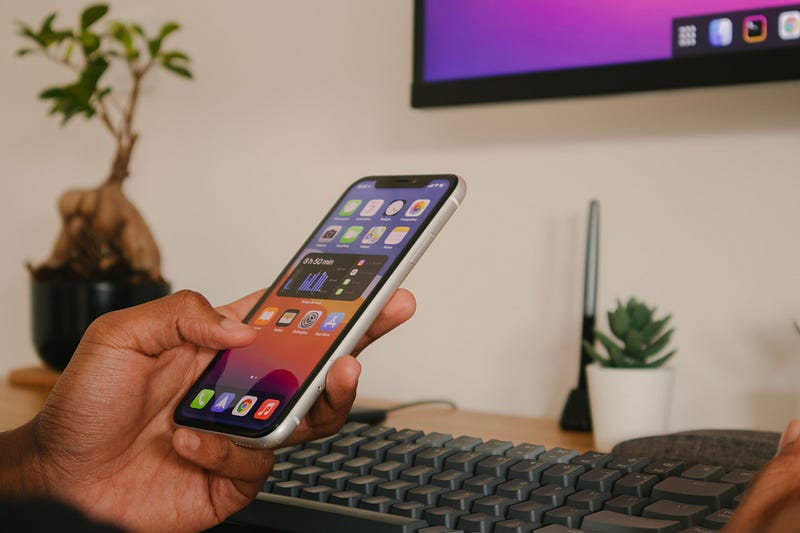
As a part-time content creator (Medium blogger, YouTuber, Instagrammer), creating content on these social media platforms is a crucial component of my daily life. After all, it is my business, my part-time job.
I often get judged and bashed for using my phone for too long or checking social media too often. To other generations, I look like a millennial who is addicted to her phone. To my peers, I appear as a distracted individual who struggles to “be present at the moment”.
Social media has such a bad reputation for causing distractions, especially among the youths. Articles accusing social media and the internet being the root cause of distractions, ironically, are trending online.
Are social media truly the root cause for distraction?
Can we attain concentration by simply cutting out the internet?
How can we overcome distractions for good?
What are Distractions?

Distractions are caused by “task-irrelevant stimuli that interrupt goal-directed behavior”.
Therefore, whether social media are distractions depends on whether their stimuli interrupted your initial goal-directed task. If your goal is to write a blog on Medium or to check a YouTube video performance, then being on the internet is far from a distraction. On the contrary, if your goal is to finish a work project, but you find yourself scrolling on Instagram, then your mind is indeed distracted by social media.
What causes us to be distracted?
Distractions can be internal and external. Internal distractions are from within the person, such as when the mind wanders during a task or when you have the urge to engage in a more fun task. External distractions come from the environment that is somewhat beyond our control, such as phone notifications, noise, bugs, and other external factors.
Certainly, social media may distract us by sending phone notifications.
But even with our phone silenced, why do we still find ourselves scrolling down Instagram and TikTok during a work task?
The Truth to Focus and Distractions

Social media definitely made distraction easier and more accessible to us, as they contain so many stimuli to fulfill different mental needs — to distract us from boredom, difficulties, sorrow, loneliness. Often, we actively seek distractions rather than being bothered by them.
Why do we seek distractions?
According to Nir Eyal, MBA from Stanford and author of the books — Indistractable: How to Control Your Attention and Choose Your Life and Hooked: How to Build Habit-Forming Products, the desire to be distracted usually comes from negative emotion.
Think about the last time you picked up your phone while doing your work project. Was it because you felt bored during a repetitive task, or because you were frustrated by a difficult problem? Was it because you lost interest in the topic, or because you were forced to sit still despite your desire to do something else?
No matter what that negative emotion is, it is uncomfortable for you. So you feel the urge to break that discomfort and get distracted, instead of sustaining your focus on the original task and continuing your goal-directed behaviors.
It is certainly easy to pass the blame on external factors for our own attention control failures. But even if you turn off the phone, you may find yourself restless and seek something else to do. The choices are limitless. You can play with your pet, look up at the sky, stare at a bird, etc. That is why even Medieval monks complained about constant distractions, even in a quiet peaceful monastery, even before electronic devices were ever invented.

How to Overcome Distraction and Attain Focus?

To prevent external distractions, we can turn off our phones, silence our environments, and even book a getaway and write in a cabin in the woods.
But what about our internal triggers of distractions?
It is a practice. Even the most productive person may find him/herself distracted from time to time. But it is something we can practice and improve over time.
Here are some techniques you can try:
- Take locus of control. Instead of blaming other things for distracting you, claim your power by admitting that you are in control of your own mind and behaviors. This is the first step. By admitting that you are responsible for your own mind and behaviors, you can change your mental states and control your behaviors.
- Try to eliminate external distractions as much as possible, at least temporarily. Even though we are in control of our minds, environmental factors still play a great role.
- Write down the triggers every time you feel the urge to be distracted, reflect on the root cause. Why do you feel distracted during a task? How to make the task more interesting, challenging, and enjoyable?
- Block a shorter amount of time for each task and achieve hyper-focus during that short amount of time. You can always complete the same amount of work within a shorter period of time.
- When feeling distracted, aim for another 10 minutes of focus. Instead of telling yourself “no”, tell yourself “later”. For example, when you feel like picking up your phone to check Instagram, tell yourself, “I will check it in 10 minutes. I CAN do at least 10 more minutes of work”.
- Take intentional breaks frequently. Short breaks help us to relax and refocus.
- Schedule designated time for social media, games, and things you love to do when you feel distracted. This way, you don’t deprive yourself of the pleasure of scrolling content that you are interested in. Once we get that pleasure, it is harder to binge. Depriving ourselves sometimes has the opposite effect. That is why most diets don’t sustain long-term. When I don’t have time to check social media, I often find myself checking them more frequently mindlessly.
- Be aware of your mental and emotional state and take notice of your behaviors. Awareness is the first step to mental control and clarity.
- Meditate regularly. Meditation is not to blank out. Instead, it helps us become aware of our thoughts and triggers. During meditation, we also learn how not to react to discomfort and inner distractions. Eventually, we learn how to be with our negative emotions but still sustain our attention and focus.
Thank you for reading my honest perspective. I hope these tips help you gain focus and be more productive.
If you would like to support me and read more stories like this on Medium, you can use my referral link to become a Medium member.
https://drming.medium.com/membership
Thank you for your support!


