avatarMahnoor shafiq

Summary

Social media's impact on mental health is multifaceted, potentially leading to negative emotions like depression, anxiety, and low self-esteem due to comparison, perfection pressure, and FOMO, but it can also be used positively for connection and support.

Abstract

The article "Is Social Media Making Us Depressed?" delves into the complex relationship between social media usage and mental health. It suggests that the habit of comparing one's life to the often idealized portrayals on social media can lead to feelings of inadequacy and sadness. The pressure to maintain a perfect online persona can cause stress and anxiety, as users seek validation through likes and comments. The phenomenon of FOMO (Fear of Missing Out) exacerbates these issues by making individuals feel excluded from the experiences of others they see online. Furthermore, constant exposure to curated images of beauty and success can set unrealistic standards, impacting self-esteem and self-worth. However, the article acknowledges that social media does not affect everyone negatively; for some, it serves as a tool for positive connection and support. The key to mitigating potential harm is mindfulness about social media's influence on well-being, setting boundaries, and being aware of one's emotional responses.

Opinions

  • Social media can lead to negative mental health outcomes due to the comparison with others' curated lives.
  • The pressure to present a perfect life online can induce anxiety and self-doubt.
  • FOMO, or the Fear of Missing Out, can result in loneliness and sadness when seeing others' social events.
  • Exposure to idealized beauty and success standards on social media can lower self-esteem and create feelings of inadequacy.
  • Not everyone is negatively affected by social media; some find it beneficial for maintaining connections and receiving support.
  • Mindful use of social media, including taking breaks and setting boundaries, can help manage its impact on mental health.

Is Social Media Making Us Depressed?

Utilizing social media for positive well-being
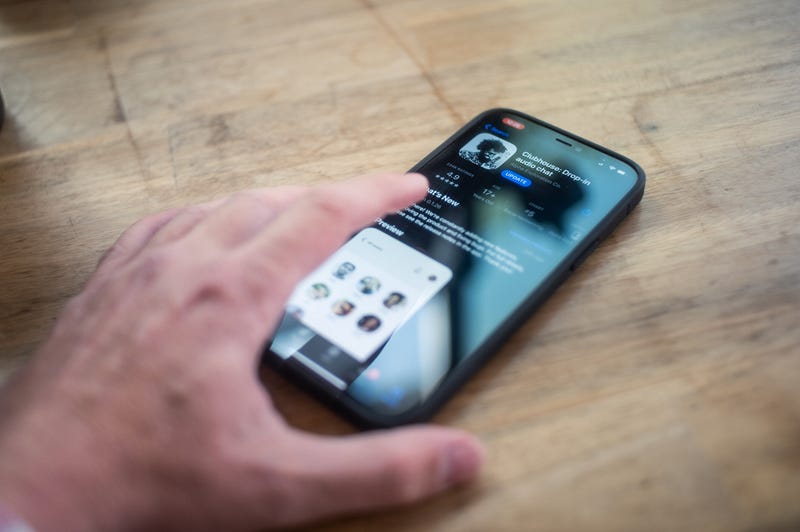
Photo by Josh Rose on Unsplash

Social media has become a big part of our lives but some studies suggest that it may have an impact on our mental health. One way this happens is through the comparison of our lives to others. People often share the best parts of their lives on social media like happy moments and achievements. Seeing these posts might make us feel like everyone else is doing better than us leading to feelings of inadequacy and sadness.

Another factor is the pressure to present a perfect image online. People may need to create a version of their lives on social media which can be stressful. The constant quest for likes and validation can create a sense of anxiety and self-doubt.

Moreover social media known as FOMO can contribute to a fear of missing out. Seeing others’ social events or gatherings can make us feel excluded or left out. This fear of missing out on experiences portrayed online can lead to loneliness and sadness.

Additionally the constant exposure to curated images of beauty and success on social media can affect self-esteem. It may create unrealistic standards that individuals feel pressured to meet potentially causing feelings of inadequacy and lowering self-worth.

However it’s important to note that social media affects people differently and not everyone experiences negative emotions. Some use it as a positive tool for connection and support. The key is to be mindful of how social media impacts our mental well-being and to find a balance that works for each individual. Taking breaks setting boundaries and being aware of our emotional responses can help manage the potential negative outcomes of social media on physical and mental health.

Hi I am Mahnoor Shafiq. Follow me and subscribe to my profile

Be Open says:

Join the club?! New members stories will be featured on Be Open Reading Club! 🤓

Social Media
Life
Life Lessons
Lifestyle
Self Improvement
Recommended from ReadMedium