
Is Social Media Influencing Becoming Too Popular to be DANGEROUS?
Social media influencing is great. Money, fame and followers ! But many have forgotten the meaning of “responsible influencing” . . .
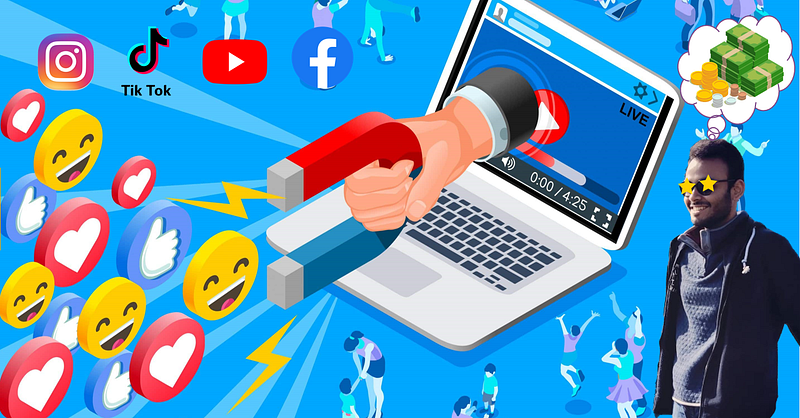
Everyday, I wake up, reach for my phone, put off my alarm, and spend the next two minutes scrolling through Instagram. I get to see which places my friends are visiting, who cooked delicious butter chicken, who presented a speech at their first ever conference, and most importantly, “What my favorite social media influencers have to say?”.
For those who don’t know this term, Social Media influencers are basically individuals who have a large fan following on a particular social media platform like YouTube, Facebook, Instagram or Twitter, and are able to influence the way their fans think through their online fame and content. Such individuals have appeal to companies who want to promote their newly launched product, and the more followers the individual has, the more he earns.
No doubt such influencers have played an amazing role in “helping us live a happier life” and be a great source of entertainment. We follow them for their amazing tips to stay healthy, delicious recipes to cook at home, getting to know about the latest tech, or even simply a relaxation from our hectic work for a relaxing and fun “chilling” time. See my previous article on my favorite YouTubers and why I love them !
However, everything has a dark side, and it is important that we keep away as far as possible from such dark influence.
The BAD about Social Media Influencing
A journal, “The Impact of Social Media on Society,” written by Jacob Amedie mentions that
“Social Media robs us from self-control and from the ability to think independently and instead makes us gullible to join any group that posts perverse messages that tickle our ear and amuse our senses without evaluating the consequences”.
With the boom of smartphone, fast wireless internet, and a sea full of social media apps, everyone today wants to have an online presence and want others to hear them out. For example, consider the most popular platform, YouTube — it has 2 billion users worldwide as revealed by CEO Susan Wojcicki. This makes it a very attractive platform for anyone wishing to become an influencer and earn a ton loads of money from YouTube’s adsense. I am not denying that YouTube has some great influencers who put out great meaningful content, but there are a large number of the so-called “influencers” who forget their social and moral responsibility and put up content that is somehow attractively nonsense, and conveys a very negative and harmful influence on the viewers.
The sheer motive of putting up such content is to achieve quick fame and wealth, without thinking of the consequences it has on the society. A survey conducted by CNBC showed that 86% of youngsters wanted to become Social Media influencers to earn fame and money.
This desire has uncertain consequences — it may lead you to become a great meaningful influencer or someone with a sea of followers but just a drop of morality. Followers consider influencers to be as their friends whom they can rely on to buy certain products and make certain decisions. However, a study shows that a lot of these influencers show content, which they want their followers to believe as a part of their real life, but in reality is a well thought through plot to make us trust and believe them and make it easier for us to make a wrong decision.
Immoral and Fake Promotions
For example, a few British influencers (supermodels) agreed to promote a drink for weight loss which contained lethal hydrogen cyanide. Surely, they never drank it but wanted to make their followers trust them on buying it.
How many of us have seen influencers promoting products for weight loss or treat your acne ? — mostly all of us. But have you ever wondered why would a guy with perfectly toned body need weight loss products or why a model with a milky smooth skin use acne products ? — maybe not. We trust our favorite influencers to such an extent, that we fail to use our senses to “evaluate what’s being shown to us”.
Making Dangerous and Senseless Content
A lot of times, influencers say and do stuff in their videos which sends a wrong message to the followers, many of whom, without a second thought believe it to be perfectly alright. In India, a TikTok influencer put up a video “promoting” acid attacks.
Such influencers, have completely lost a sense of their societal responsibility with the sole aim of having a FAT bank balance. However, here the blame is not solely on the influencer. We, as followers also have a responsibility of supporting and sharing content which is meaningful and morally justified. Time and again, I see a lot of individuals getting viral and gaining online fame overnight over a piece of content which is meaningless and crap. People don’t make them viral because they find them amazing, but they get someone to laugh on ! And this is where we need to act more responsibly, this is where we have to stop ourselves from equating such overnight fame with responsible social media influencing.
Expectations Can be Deadly
The fire inside youngsters to achieve quick success and fame also becomes a reason for massive depression. Not only a failure to be liked by people on platforms where few become stars overnight, but also their inability to understand where their content lacks in quality and meaning, builds a sense of insecurity in them and causes them to feel less talented and worthless. There have been cases where amateur influencers attempted to take their life over not having been able to achieve their dream following.
There is another side to this harsh reality of social media influencing. Popular influencers — PewDiePie and Lily Singh also exclaimed that they too struggle with anxiety in order to put out lovable content for their followers. A single piece of poor content can call for harsh criticism from their followers and also drastically impact the huge fan following that the influencers enjoy. The smile on their faces masks their struggles and pressure that their daily schedules and high standards of expectations from followers bring onto them.
The Conclusion
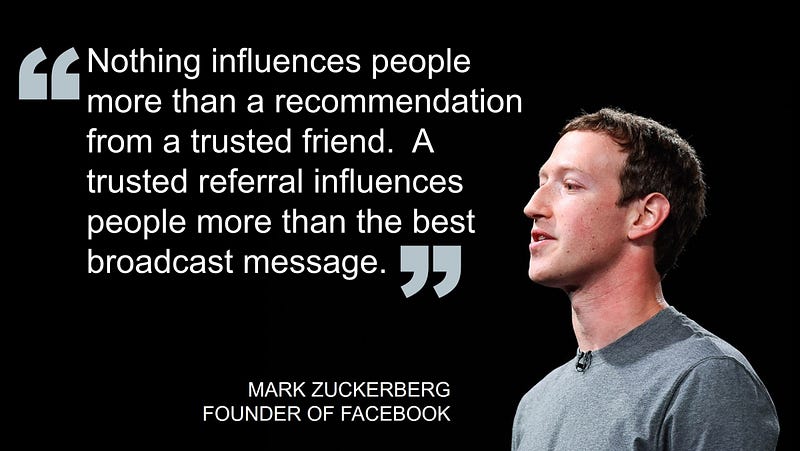
We spend hours in a day following our favorite influencer, with an eagerness know what’s happening in their “mostly” artificial lives and trying to bring in the same color in our routine. But before you blindly trust anyone and want to become an influencer like them, try giving your own senses a knock-knock and ask — “Do I trust him or her enough?”. Give more time and trust to relationships with your physical world, your family, your peers and people you love.
Becoming an influencer is great, and all of us should have it in us to impact the lives of people — not for money or fame, but for the sole purpose of making their lives happier and this world a better place. Remember, as an influencer, people trust you, lots of people — Don’t break that priceless relationship.
I hope you liked this article and it gave you an insight of the current situation of Social Media influencing, and how it has started become too popular to negatively impact lives of some people. If you loved this, please do have a look at my other top articles.


