
Is Social Media Costing You Brain Cells?
Short-form content is delicious. But it’s also detrimental.
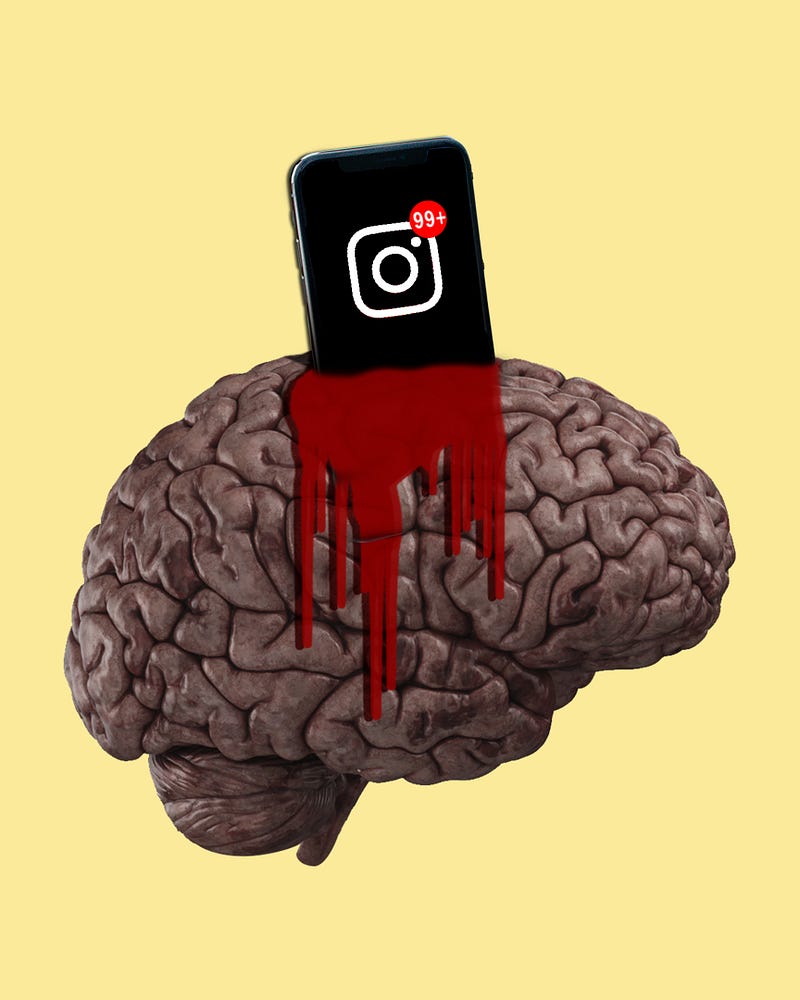
I don’t know when it happened, but at one point in time, it became clear to me that I was evidently becoming dumber the more I used social media. Every day as I browsed the endless Instagram reels, I was losing brain cells with every swipe. Humor, embedded in these shallow, undeveloped jokes and scenes, was very entertaining. And because of the short-span attention that the modern man has developed, I got used to wasting time on these reels. And when I found the Instagram Reels boring and repetitive, I turned to the newly introduced YouTube Shorts.
Essentially stolen TikTok videos and non-contributive stationary reaction videos of ordinary people on less-than-ordinary people, these shorts kept me entertained. An exhale-laugh prompted by a short video on which I spend less than five seconds was enough to keep me scrolling through the black hole.
I zoomed out. And if you do too, look around the internet and observe how dumb people have become. I wish it was just dumb, though. People have become dumber by the day, and more adamant and aggressive about their beliefs by the minute.
Now, granted, TikTok, Instagram, and other platforms that house millions of people were not made for the purpose of education. People were not, and are not, expected to have scholarly discussions and academic debates on these platforms, much less the internet itself. They were made for entertainment. For you to spend time on silly stuff, some random conversations, and maybe post updates about your life. And for idiocy.
But if you think about it, this type of idiocy and shallowness was not apparent before the internet. It surely existed, but there wasn’t really a way for it to surface to everyone. With the internet, any idiot with a phone and internet connection can broadcast to the whole world, be watched by literally everyone — from the normal day-to-day people to state presidents — and become “famous.”
Today’s society isn’t just toxic. Yes, many of the same idiots do spread hate, misinformation, and promote their idiocy, but it doesn’t stop there.
The content you consume defines who you are.
If you spend more than an hour browsing the endless reels on Instagram or the shorts on YouTube, or the source — TikTok, you should notice the change in your brain. Personally, ever since I made it into a habit, I haven’t been given enough time for writing, reading, working, and being productive.
It’s very easy to forget yourself once you’re on Instagram or TikTok. Because you consume short content — a lot of it — time goes by very fast that you don’t pay attention to the number of hours you’ve spent on silly things.
But again, that’s not just it. TikTok's or Reels don’t have to be plain idiotic. They don’t have to be “cringe” or retch-inducing. They just have to be. In essence, these short videos are made for the purpose of entertainment. They cannot be educational, even if they appear to be so.
A newly emerging trend these days is thought leaders and “real” influencers, politicians, teachers, and intellectuals in general, joining these platforms in hopes of bringing the education niche (if you will) to the younger generations. Beneficial or not, they hint at a pattern of behavior that human beings have developed online.
Short-form content is fun because it’s short, not because it’s entertaining. Even short videos that make you furious (because they aren’t funny, understandable, or relatable) make you at least exhale a little snicker. And if they’re so irritating, you’ll probably leave a comment or engage with it somehow.
For a better 2022, you should try to minimize your time on social media. Don’t go berserk and deactivate or delete your accounts. You’ll recoil fast and fall deeper into that rabbit hole. Instead, monitor your online activity on your phone, and start limiting your time on certain platforms. One hour a day isn’t going to kill you, but that hour could easily turn into the whole day. And that will compromise your productivity. And your precious brain cells.