
Is Sleep Underrated?
And its link to the immune system
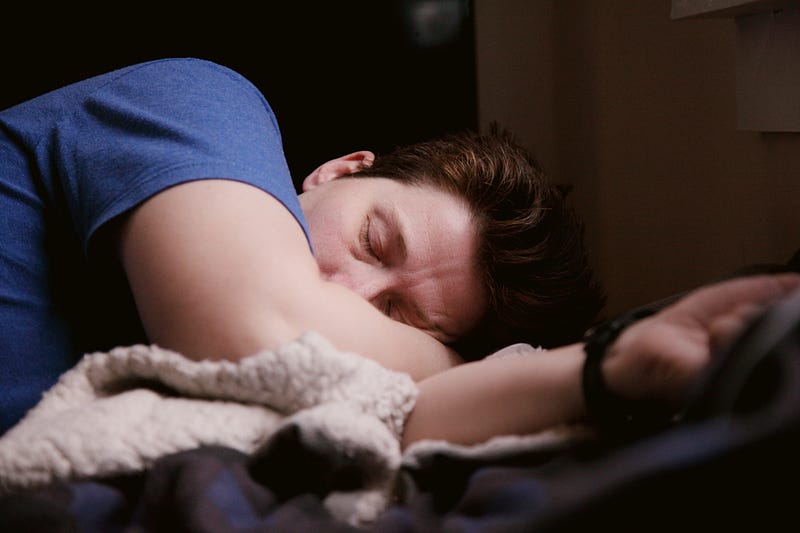
If you have spent a night tossing and turning in your bed then you are already aware of how you will feel the next morning — annoyed, tired, easily irritable, and of course, sleep-deprived. But not being able to get 8 hours of sleep every night does more than make you feel grumpy and cranky.
It has some long-term side effects and they are very much real.
Sleep deprivation can drain your mental capacity and also put your physical health at risk. To solidify my statement, I would like to point out how science has also linked poor sleeping habits with quite a few health problems, ranging from weight gain to a poor immune system.
What Causes Sleep Deprivation?
There is quite a several factors that can cause sleep deprivation. For example, consistent sleeplessness and reduced quality of sleep. Constantly getting less than 7 hours of sleep can eventually lead to dangerous health consequences.
To function properly, our bodies need sleep as much as they need oxygen and food. While sleeping, our bodies are stored their chemical balance and naturally heal themselves. Not only this, but our brains also forge new thought connections during sleep and can aid in memory retention.
Caffeine consumption, in excessive amounts, can also contribute to worsening your sleep deprivation by making it harder to fall asleep at night which can lead to insomnia.
The Link Between Sleep Deprivation and Immune System:
During sleep, your immune system produces protective and infection-fighting substances like antibodies and cytokines to fight against harmful and unknown invaders such as viruses and bacteria.
Certain types of cytokines can also help you sleep at night hence making your immune system more efficient to defend against viral infections and other types of illness.
Lack of proper sleep can prevent this from happening. It can stop your immune system from building up its forces and your body may not be able to respond well to bacteria and other infections. Moreover, it may also slow down your body’s natural healing process, hence resulting in late recovery from illness.
German researchers have found that a night of good sleep improves T cells. T cells are a type of immune cells that helps you fight against intracellular pathogens, for example, influenza, cancer cells, HIV, etc. When these cells in the body identify a virus, they instantly activate integrin, a type of protein that can stick to the virus cells and kill them.
Less than 5 hours of sleep every night can increase your chances of mortality. Whereas z less than 7 hours of sleep for 3 nights in a row can have the same effect as missing one full night of sleep.
Sleep deprivation can lead to a chronic inflammatory state and an increased risk for viruses and infections, of every kind, to attack your immune system. Getting quality sleep can promote host defense against foreign invaders and inflammatory pathologies.
Sleep Deprivation and Illnesses:
Let’s take a look at a few illnesses that shows the association between sleep deprivation and immune-related problems.
1. Neurodegenerative Diseases:
Neurodegenerative diseases particularly target your central nervous system and include having Alzheimer’s, Parkinson’s, amyotrophic lateral sclerosis, etc. The most common feature of a neurodegenerative disease is the chronic activation of our immune system, in which components of the immune system combined with the brain’s immune compartment leads to neuro-inflammation and damage.
This can lead to a gradual loss of nerve cell function and eventually cell death.
2. Autoimmune Disorders:
Sleep deprivation can also result in autoimmune diseases such as rheumatoid arthritis, systemic sclerosis, etc. Having an unhealthy sleep pattern is frequently reported in autoimmune disorders. Lack of sleep is also said to promote a breakdown of immunologic self-tolerance. Individuals having sleep disorders like insomnia or at a higher risk of developing autoimmune disorders.
3. Heart Disease:
Lack of sleep is also linked to fatal cardiovascular conditions with a dangerously high risk of coronary heart disease. It can also increase your risk of a heart attack as well as your overall lifespan.
It can also cause a lot of other metabolic dysfunctions, like obesity, hypertension, and, diabetes, all of which are powerful risk factors for developing cardiovascular diseases. It can affect our metabolic pathways by creating an imbalance in our hormones and energy levels.
4. Cancer:
Sleep deprivation has been a popular factor for an impaired anti-tumor response. Studies have shown, not always though, a significant link between shorter sleeping duration and cancer risk. There are higher chances of developing several types of cancers including breast, prostate, and colon cancer if you do not get a sufficient amount of sleep at night.
Hence the importance of immune function in the anti-tumor host defense plays an important role and also suggests that a weakened immune system is more likely to present and increase the risk for cancer.
It is important to note that while sleep plays a crucial role in the proper functioning of our immune system, the immune system itself also affects our sleep cycle in multiple ways.
Having infections of any sort can trigger several reactions from the immune system, which include a lack of energy as well as sleeplessness. It is one of the reasons why people who are ill often spend more time in bed and sleeping.
How to Improve Sleeping Pattern?
● Making your sleep a priority can strengthen your immune system and this can be done by:
● Improving your sleep hygiene i.e., a proper sleeping environment, best-suited mattress, switching off your phone/not using it before bedtime, proper sleep schedule.
● Meditation and other relaxing techniques.
● Yoga.
● Maintaining a standard quality of life.
● Good time management.
How Much Sleep Do You Need?
The optimal amount of sleep for adults is between 7 to 9 hours and for teenagers, it can increase up to 10 or more hours of sleep. But it’s important to remember that getting more sleep isn’t always good for your immune system.
For adults, sleeping more than required can resolve in a poor quality of sleep, such as difficulty falling or staying asleep.
In conclusion, getting enough sleep is a fundamental part of a healthy lifestyle. However, if you continue to have trouble sleeping at night then you should consult a doctor. It may be the cause of an underlying sleep disorder that is getting in the way of your sleeping pattern.
Sources:
Elizabeth Pratt (2019). How Sleep Strengthens Your Immune System. Healthline.
https://www.healthline.com/health-news/how-sleep-bolsters-your-immune-system


