Is Rumination A Form of Anxiety?
When your thoughts don’t have an Off button.
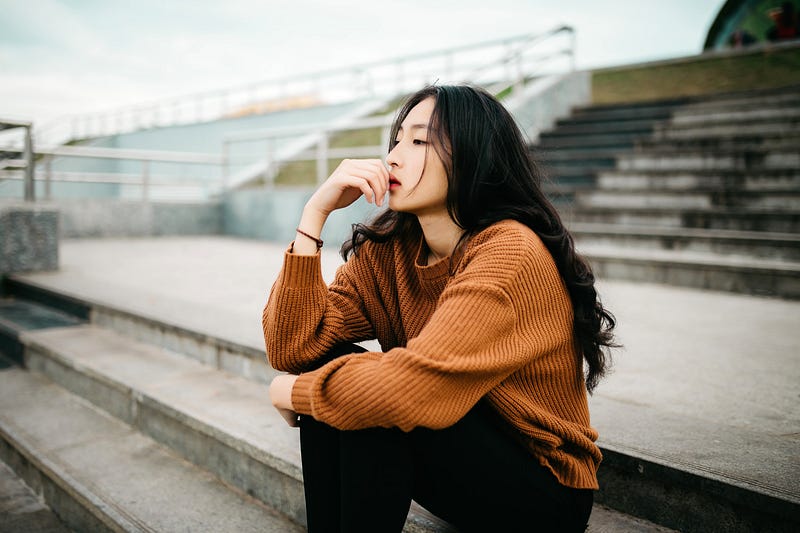
Rumination occurs when you have constant, repetitive thoughts about situations, choices, people, and feelings from your past. It is thinking obsessively and usually happens when you are trying to sleep. You toss and turn and can’t ever relax because of this mental churning. You are trying to sleep but “you can’t shut your mind off.”
This can also happen during the day, as well.
I have been suffering from this lately but don’t know why. I usually fall asleep and stay asleep until the next morning. It could be being older and not knowing how much time I have left. There is so much to do.
Brooding rumination is one type and it covers perceived mistakes and negative aspects of self. To add to that it is wondering if what you are doing now is the correct thing to be doing since you don’t trust yourself to make good decisions. Rumination can convince a person that they are bad or that they should feel shame and guilt.
Rumination is a part of depression, anxiety, and PTSD. Because of past experiences with abusive situations, I suffer from this. It disturbs me and my relationships to the point that I don’t want to make anymore mistakes; therefore, it is difficult for me to make friends and keep them. I feel I have to be vague and standoffish. “Don’t get too close” is the thought I have. I am judged by this and it hurts because I don’t mean any harm.
Managing rumination
Distractions
Putting rumination on “pause” by doing chores, browsing the internet or your phone, and watching a movie.
Thought stopping
Telling your mind to STOP. Envision a huge STOP sign if you have to.
Tapping or Emotional Freedom Technique (EFT)
You can find out more about this at:
If none of these help then you probably should have professional therapy but there are still many alternatives.
Anxiety disorders affect about 40 million adults in the United States alone each year, making them the most common mental health disorder. Many people with anxiety use a combination of therapies, medications, alternative treatments, and lifestyle changes to help manage their anxiety and stress.
I am not promoting any product and do not get anything from any of these products, but only hope I can help others with what I have found that works.
If you would like to experience Medium yourself, consider supporting me and thousands of other writers at https://medium.com/me/settings/promote-memberships. It only costs $5 per month. You will also have the chance to make money and write as well. By signing up with this link, you’ll support me directly with a portion of your fee. It won’t cost you more. Thank you so much if you do. (You can cancel at any time.)
Jo Ann Harris is an author, parent, book devotee, writer, copywriter, and film fanatic. She is an autodidact who learns about everything and rows her boat. She grew up, worked in Atlanta, Georgia, and lived there for sixty years. She writes articles about love, hope, personal life stories, advice, and poems. She is a published author with an article in Woman’s World magazine in October 2017.


