avatarDaniel Lai

Free AI web copilot to create summaries, insights and extended knowledge, download it at here

1860

Abstract

ffect is typically short-lived and can quickly dissipate after the shopping experience.</p><p id="0256"><b>Buy what you need only</b></p><p id="7d15">Many people are selling used stuff on websites like Facebook etc. Many people would buy impulsively but end up not needing the item.</p><p id="af94">Hence they will advertise on social media websites to resell them cheaply. If we do not mind buying a second-hand item, sometimes we can come across good bargains because the price is lower than its original and the owner had not used it, like a bag or a piece of ornament.</p><p id="0d66">One person I know always buys second-hand clothing from a thrift shop in town. The dress there is relatively new and sells for less than half its original value. Maybe, many people would buy on impulse and then resell them to a thrift shop when they regret their initial purchase.</p><p id="1299"><b>A 7-day rule before buying</b></p><p id="0ba2">Often when we come across something pleasant or valuable in our shopping, we always try not to buy it immediately. For example, I was looking at an electronic shaver on sale last week.</p><p id="1709">I had a shaver that was working, and I thought it is an opportunity to upgrade to a better shaver during the promotion, which was almost 40% discounted.</p><p id="e411">It was very tempting to buy it instantly, but I remember that our practice is always to have a cooling period of seven days. When I left the store, I wondered if I would still have the same discount if I returned another week.</p><p id="a409">I cannot be sure of its price one week later, but I am sure I did not buy it impulsively because I had thought it through. I have no regrets for following my own rule.</p><p id="35cc">This rule has served us well over the years that we do not buy impulsively. Of course, it would not fit any retail therapy eith

Options

er. It is just a sensible way of spending money.</p><p id="1238"><b>Final thoughts</b></p><p id="b39e">I would not suggest to anyone to pay attention to this theory of retail therapy. Buy what you need, and do not spend money on unnecessary purchases.</p><p id="a359">Furthermore, relying on retail therapy as a coping mechanism can lead to overspending, financial stress and other negative consequences. In the long run, seeking healthy coping mechanisms for managing negative emotions may be more effective.</p><p id="c242">While it is easy to spend our money, it is much harder to earn and save.</p><p id="a3c1">Thanks for reading. Here are more of my writings:</p><div id="5029" class="link-block"> <a href="https://readmedium.com/difficulty-for-mono-tasking-1c3756ffe607"> <div> <div> <h2>Difficulty for Mono-tasking</h2> <div><h3>Sharing my thoughts on mono-tasking versus multi-tasking</h3></div> <div><p>medium.com</p></div> </div> <div> <div style="background-image: url(https://miro.readmedium.com/v2/resize:fit:320/1*iWT8NjaxZC2Rw6-rg383sw.jpeg)"></div> </div> </div> </a> </div><div id="9b8b" class="link-block"> <a href="https://readmedium.com/are-couples-prepared-for-parenting-life-2cd46f4c5d9b"> <div> <div> <h2>Are Couples Prepared for Parenting Life?</h2> <div><h3>My perspectives on this topic</h3></div> <div><p>medium.com</p></div> </div> <div> <div style="background-image: url(https://miro.readmedium.com/v2/resize:fit:320/0*zGHd1vGPnySGvOmn)"></div> </div> </div> </a> </div></article></body>

Is Retail Therapy Effective?

Sharing my opinion on this theory of retail therapy
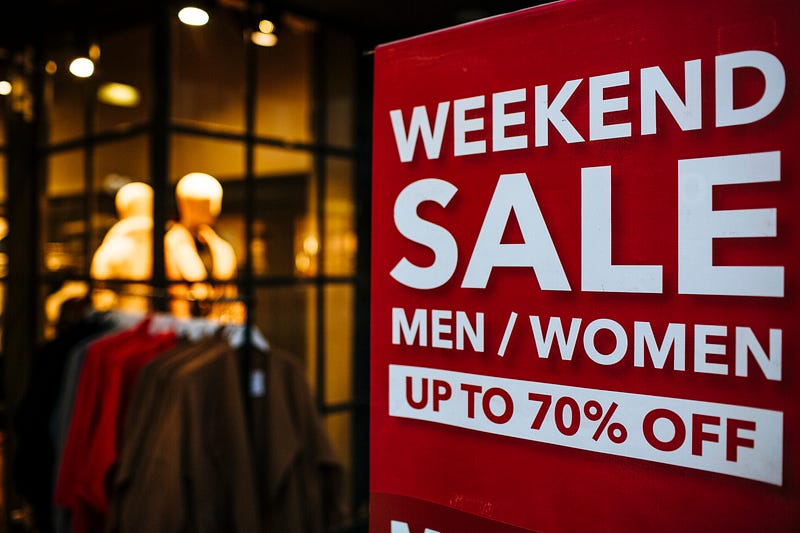
Photo by Markus Spiske on Unsplash

I’m not sure if the phrase “retail therapy” is used in your culture. But it is a common phrase in my culture as an urban city.

It is the act of shopping to improve one’s mood or emotional state. While it may temporarily boost happiness, there is limited evidence to suggest that it is a compelling long-term strategy for managing negative emotions.

But why do people like to use the phrase “retail therapy”?

In my opinion

If you live in a city with many shopping malls, doing it when you finish work or on weekends when you do not need to work is convenient.

You will like to look into the shops and find new things like a bag, a pair of shoes or clothing you may want to try. The colours and texture may be different too!

But for the longest time, I always wonder why it is a form of therapy to shop and buy things you may not need.

Is it because you have the means to do so? Is it because you find a good bargain? Or because you wanted a good feeling after the purchase.

When I searched the Internet, it says that some researchers have found that engaging in retail therapy can provide a short-term mood boost, as it activates the brain’s reward centre and releases feel-good neurotransmitters like dopamine.

However, this effect is typically short-lived and can quickly dissipate after the shopping experience.

Buy what you need only

Many people are selling used stuff on websites like Facebook etc. Many people would buy impulsively but end up not needing the item.

Hence they will advertise on social media websites to resell them cheaply. If we do not mind buying a second-hand item, sometimes we can come across good bargains because the price is lower than its original and the owner had not used it, like a bag or a piece of ornament.

One person I know always buys second-hand clothing from a thrift shop in town. The dress there is relatively new and sells for less than half its original value. Maybe, many people would buy on impulse and then resell them to a thrift shop when they regret their initial purchase.

A 7-day rule before buying

Often when we come across something pleasant or valuable in our shopping, we always try not to buy it immediately. For example, I was looking at an electronic shaver on sale last week.

I had a shaver that was working, and I thought it is an opportunity to upgrade to a better shaver during the promotion, which was almost 40% discounted.

It was very tempting to buy it instantly, but I remember that our practice is always to have a cooling period of seven days. When I left the store, I wondered if I would still have the same discount if I returned another week.

I cannot be sure of its price one week later, but I am sure I did not buy it impulsively because I had thought it through. I have no regrets for following my own rule.

This rule has served us well over the years that we do not buy impulsively. Of course, it would not fit any retail therapy either. It is just a sensible way of spending money.

Final thoughts

I would not suggest to anyone to pay attention to this theory of retail therapy. Buy what you need, and do not spend money on unnecessary purchases.

Furthermore, relying on retail therapy as a coping mechanism can lead to overspending, financial stress and other negative consequences. In the long run, seeking healthy coping mechanisms for managing negative emotions may be more effective.

While it is easy to spend our money, it is much harder to earn and save.

Thanks for reading. Here are more of my writings:

Shopping
Therapy
Sales
Habits
Life Lessons
Recommended from ReadMedium