AI & Human-Machine Interface
Is Rabbit Inc. Changing AI Forever?
How Rabbit Inc.’s “Large Action Model” (LAM) is Redefining Human-Machine Interaction

In just a few days, LA-based tech company Rabbit Inc. will launch the so-called “r1 device”, a groundbreaking piece of AI hardware that is expected to revolutionize the way we interact with machines.
At the heart of the r1 device is the company’s proprietary “Large Action Model” (LAM), an AI model many think could radically transform the interaction between humans and machines.
Here’s how LAM works, why it is expected to be revolutionary and how you can get on the waitlist for the r1 device.
Rabbit’s Vision & the r1 Release
Founded by ex-Google engineers, Rabbit Inc. recently secured another $10 million in funding, bringing the total investment to an impressive $30 million. Not a bad starting point at all for the company’s ambitious vision:
changing the way people interact with technology.
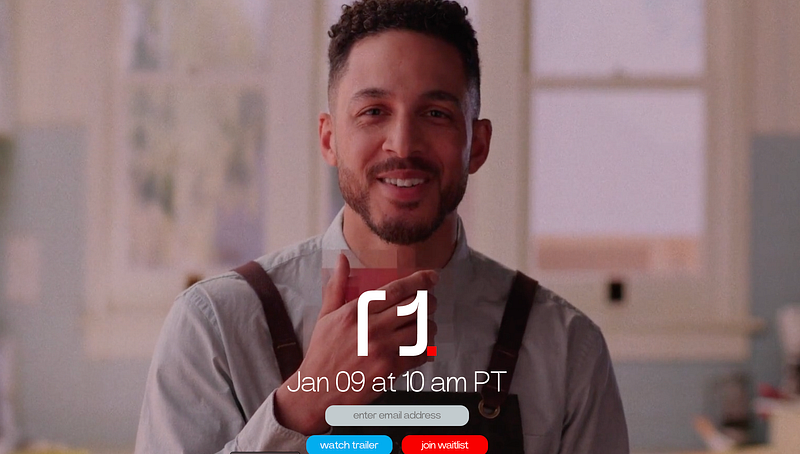
On January 9, during an online event alongside the CES 2024, the company will unveil its first product, the “r1 device”.
However, the highly anticipated “r1 device” is only the short-term solution to this visionary goal: in the long run, Rabbit wants to create the foundation for autonomous online agents that are customized to each individual. These agents will then represent and act for us in the digital world and streamline our online interactions.
So how is this revolution supposed to happen?
To understand this, we have to look at the heart of Rabbit’s r1 device and the so-called “Large Action Model” (LAM), which promises to fundamentally change digital technology.

The Large Action Model (LAM)
While Large Language Models (LLM) like GPT-4 are trained on vast amounts of texts to recognize and generate language patterns, Rabbit’s Large Action Model (LAM) is specifically designed to understand and act upon human intentions in a way that traditional large language models cannot. Here’s a breakdown of how it works:
Understanding Human-Computer Interaction
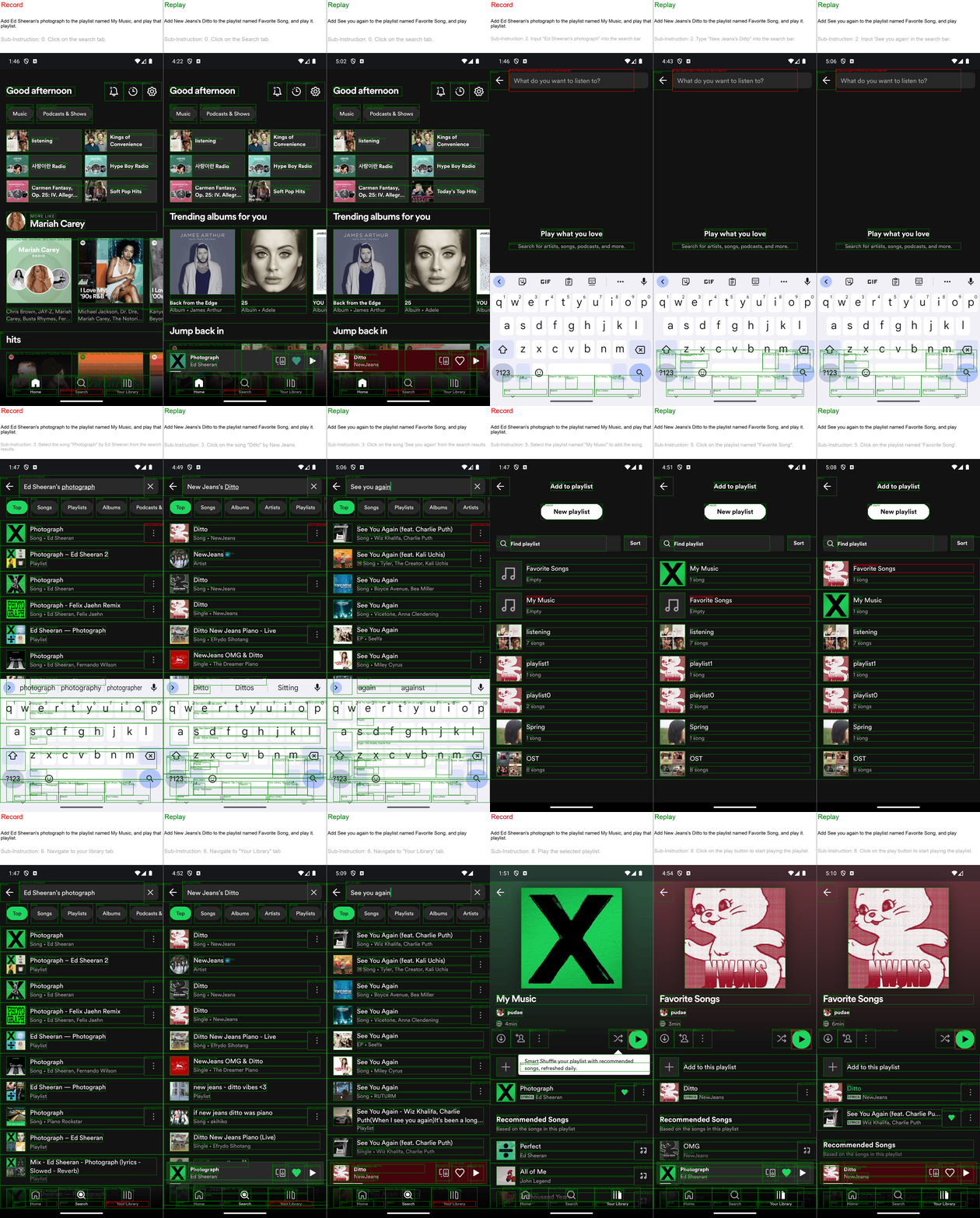
LAM has been trained to understand the structure of various applications as well as the possible actions performed by users.
That’s right, the model learned from observing how humans interact with apps
This is how the LAM developed an understanding of app interfaces and human-machine interactions. With this knowledge it can perform a wide range of tasks on consumer apps, like booking hotel rooms or ordering groceries, replicating the exact way humans would accomplish these tasks.
This involves:
- understanding the graphical user interface (GUI) elements
- understanding how humans use software
- accomplishing tasks in real-world settings (in real-time)
- building “conceptual blueprints” of each application interface it learns from, which helps it in understanding the underlying services provided by the applications.
Hardware and Software Synergy
To optimize LAM’s performance, Rabbit Inc. has developed a specialized mobile device (the “r1”) and an operating system (rabbit OS). This hardware is designed to allow intuitive input methods and eliminates the need for users to navigate multiple apps. The r1 is expected to be the world’s first standalone AI mobile device for seamless interaction.
Neuro-Symbolic Approach
While Large Language Models rely on neural networks that are trained to recognize patterns in language, the LAM integrates both, a neural network approach as well as symbolic algorithms:
LAM uses neural networks to understand complex and varied user interactions with applications, recognizing patterns and predicting likely user actions or needs.
In addition to this, LAM employs symbolic algorithms to process its insights within a structured set of rules, ensuring that actions taken by the system are logical, consistent, and align with predefined objectives.
Launch
Excited? Let’s join the online event on January 9 and get on the waitlist here: rabbit.tech/waitlist
Links & Resources
- Additional Information: rabbit.tech/research
- Waitlist: rabbit.tech/waitlist
- Twitter: @rabbit_hmi
Please, if you liked the article, be so kind and leave some claps, follow me and comment with questions or suggestions! ❤️ 🙏
➡️ If you want to support my work, become a Medium member using my referral link and get full access to all my articles (180+ and growing) and those of thousands of other writers. 🙏
➡️ Still on Twitter? :) Me too, let’s connect: www.twitter.com/tristwolff
➡️ If you like my content, why not leave a “clap” at the end of this article, so more people can see it?