
Is ‘Normal People’ the Voice of Millennials?
There is a seat in the literature reserved for millennials.
Let me be honest. The discourses about “the millennials” drive me nuts. They put young people inside boundaries, make themselves feel alien in the world, and criticize their problems.
Inc claims that millennials are the most hated generation ever. Business Insider states that millennials prefer wine, want to learn via virtual classes, lovers of avocado toasts, and hate napkins. We are the destroyers.
I’m a millennial. I drink beer more than wine, I definitely prefer physical classes (I understood it better during the lockdown). I hate avocados, and I don’t have a personal problem with napkins. Why is it people’s desire to put etiquettes on “millennials” as if all people born between 1981 and 1996 had the same personality?
And, the same headlines that label us as “snowflakes” acknowledge Sally Rooney as “the voice of millennials.”
Why is Rooney’s Normal People resonating with a particular subset while what it means to be millennial is complicated?
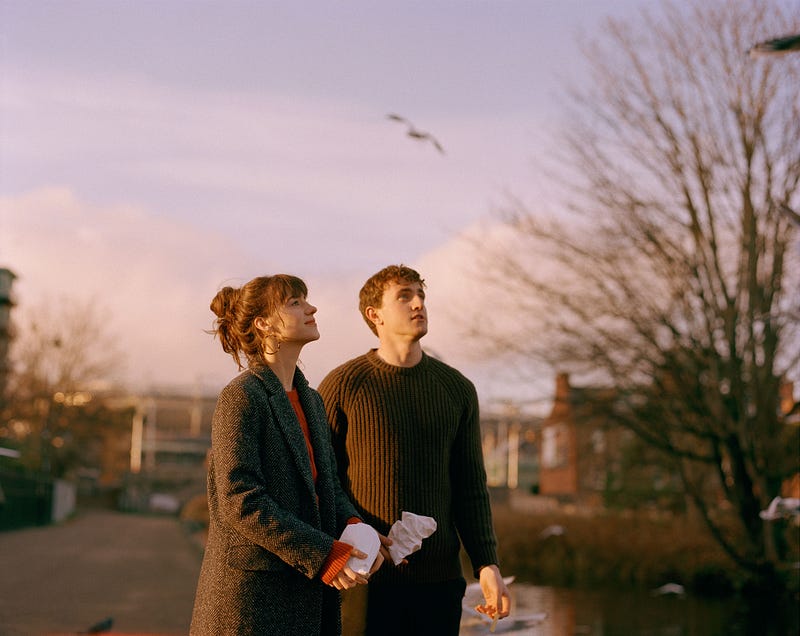
I also emerged from Normal People utterly touched by the genuine story of Marianne and Connell — two high school students in a small Irish town. The story follows the on-again, off-again love story, which Marianne and Connell avoid defining. Well, this may be something millennials do.
Millennials are the generation that suffers from anxiety and depression more than any age. We know it, we get it, we lose our minds quickly. But, this fact has become a tool in the hands of authorial baby boomers to ridicule our problems.
If the mental illness has plagued the millennial generation, indifference is the haunting disease of baby boomers who choose to ignore our concerns.
In the face of this generational gap, I found honesty and sincerity, happiness and pain in Normal People. I finally identified myself with a narration that exists outside of my life.
I was glad to see there is a seat in the literature reserved for millennials.
Normal People presents the distress of real people — from bullying for whatever reasons that Marianne faces, being a misfit in school, the ecstasy of the first kiss, the sweet pain of the first sex to harsh heartbreaks, and inability to navigate in the world.
The characters are over-educated people who are aware of political and social discourses. They can engage in creative arts and philosophy. They are maybe so close to change the world if only they don’t catch the grip of existential anxiety.
They are bullied and isolated individuals, who are mistreated and abused in their families. They are young persons who deal with economic injustice. They, at last, find “kindred spirits who bring out each other’s depth.” They will perhaps build meaningful relationships and live happily ever after if only they don’t lose themselves in miscommunication and anxiety of expressing their feelings.
“Marianne had the sense that her real life was happening somewhere very far away, happening without her, and she didn’t know if she would ever find out where it was or become part of it.” — Sally Rooney
Criticisms of the series aren’t far-fetched when they attempt to attribute some sort of features to our particular generation. Being a millennial feels like living at the edge of the world where you are about to fall down. It’s not the insecurity or a genetic pathology that makes us nervous. It’s the ambiguity of the place we’ll fall into.
And this becomes a burden that makes us exhausted. So, yes. Normal People captures the ordinary life of millennials.
Vulture states that Sally Rooney is “a shamanlike guide” who speaks millennial concerns to the world. As The Guardian states, Normal People can be the voice of millennials and give rise to millennial literature.
Indeed, we haven’t encountered Marianne and Connell in other literary texts.
There has never been a voice of my age, either in print or on the screen.
Marianne and Connell communicate through messages. They have difficulties in expressing their feelings but can trigger intellectually-crafted political or literary discussions.
We are a generation that is getting more successful at analyzing their exteriority than any other age, but we fail when we turn inwards.
So, Normal People gives me bright scholars, who can be at the top of his classes while magazines keep rejecting his essays or they don’t have a concrete career path in her mind.
Normal People offers me beloveds who can create the most intimate and poignant connection through Skype, even though they aren’t in the same room.
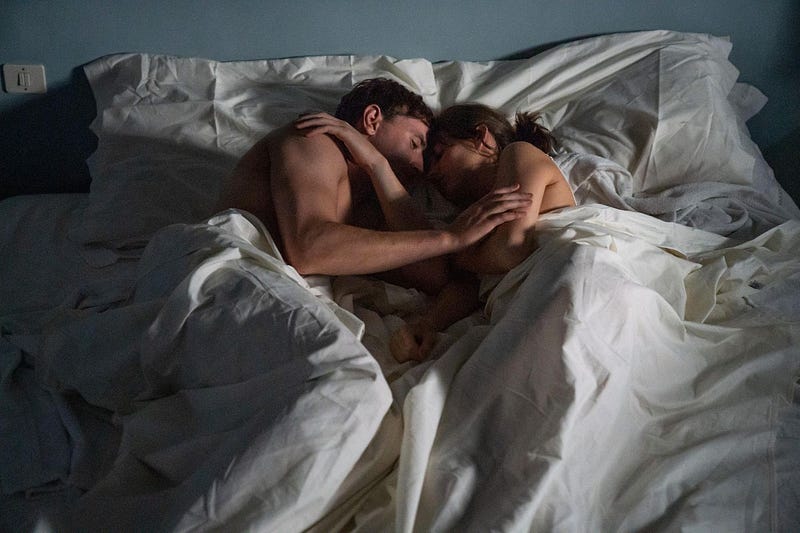
Normal People presents me passionate young people who try to have relationships while simultaneously constructing their identities. They are exploring sexuality and gaining bodily autonomy in a radically different world from the previous generations.
The world of the millennials isn’t dealing with the abortion laws, white privilege or patriarchy. This era is rather the time of the complexities, mistakes, and missed chances.
Normal People brings the plague that has haunted millennials: what is it going to be in a world of uncertainty?
Will we be afraid to love, forever?
Will we be grasped by our anxiety until we land on a stable job?
And, then what?
Normal People is more than “a gutless soap opera” for 20-year-olds because the truthful portrayal of growing up, leaving home, and falling in love is universal.
I don’t think that millennials are a disappointing generation. Disillusionments and strange ways of talking to one another will be diverse in every age. Could baby boomers imagine themselves talking to their beloveds like Romeo and Juliet?
In every generation, we will be discontent with the world. We will have our authentic ways to have happy lives, definitions of desires, and what these desires yield in our times.
Other generations may try to put millennials into boundaries with artificial etiquettes. They may persist that we are spectacularly weird. But, we all have the innate human desire to become normal — to blend in, be with everyone else, and perform what others are acting. Because to conform is the easiest way to navigate in life.
“I don’t know what’s wrong with me, says Marianne. I don’t know why I can’t be like normal people.” — Sally Rooney
Yet, here is the unsafe world in which baby boomers have conformed for centuries. Honestly, I don’t think they did an excellent job. Despite our wish to blend in, we will yearn to be different, to explore, and to expand ideas.
There will be a place for everyone in this world unless we attempt to be normal.
If our ancestors want to support us; they should try to listen, empathize, sympathize, and appreciate our courage. Despising our mental health, ridiculing about our avocados won’t bring them anywhere. If older people keep putting labels on us, they will just create another type of discourse to discriminate against us.
They should know very well how stereotypes don’t make life easier in any way. The discourses theyB are creating will just make us a self-loathing generation.
We are not aliens in this world and don’t want to belong in particular social conditionings. I think it is the most normal one can do.
“The only normal people are the ones you don’t know very well.” — Alfred Adler


