avatarSynthia Stark

Free AI web copilot to create summaries, insights and extended knowledge, download it at here

3117

Abstract

ement on your new haircut.</li></ul><p id="cbbb">If you find yourself thinking beyond your present moment, and into the past and future, <b>your <a href="https://www.ncbi.nlm.nih.gov/pmc/articles/PMC2957652/">cognitive resources are not being optimized</a>, increasing the risk for maladaptive levels of stress</b>. In other words, this is not being mindful.</p><p id="4e24">Think of mindfulness as just noticing things for what they are. This is not to say that we should not think about ulterior motives, goals, and deadlines. We live in a world that sometimes requires it.</p><p id="5ee1">However, when we have downtime, we can sometimes do a bit mindfulness every now and then. We can do it before bed, on the bus ride, for less than 10 minutes, or even for many hours. The options are limitless.</p><figure id="2e07"><img src="https://cdn-images-1.readmedium.com/v2/resize:fit:800/0*4lLFJM6n7WUQUmHd"><figcaption>Photo by <a href="https://unsplash.com/@tavi004?utm_source=medium&amp;utm_medium=referral">Octavian Rosca</a> on <a href="https://unsplash.com?utm_source=medium&amp;utm_medium=referral">Unsplash</a> — Picture yourself walking down a road.</figcaption></figure><h2 id="654e">So how does one start to practice it?</h2><p id="e8d7">Again, picture the same analogy this time. Imagine yourself walking down the same road again. Try to spend more time slowly observing your immediate surroundings as you do so.</p><ul><li>What colour is the sky above you? Is it raining or snowing?</li><li>What kind of ground are walking on? Is it a cobbled road? The sidewalk? A dirt path?</li><li>What is the colour of the buildings that you pass?</li><li>Perhaps someone waved at you again. You notice that they have curly red hair. You don’t care if they are judging you though.</li><li>What sounds do you hear? Seagulls? Children playing? A TV announcer’s voice drifting out of the window?</li></ul><p id="0af4">As time goes on, it becomes an easier trait to practise. Plus, if you’re a writer, this might prove to be helpful in writing descriptive stories.</p><h2 id="616c">Here’s a helpful infographic:</h2><figure id="175a"><img src="https://cdn-images-1.readmedium.com/v2/resize:fit:800/0*uCRlF0fZ0Ort1RjA.png"><figcaption>Photo by <a href="https://www.zerotothree.org/resources/series/mindfulness-in-early-childhood">Zero To Three</a> on <a href="https://twitter.com/zerotothree/status/1110717578173956096">Twitter</a></figcaption></figure><h2 id="8c6b">But how does this tie to Covid-19?</h2><p id="9986">It’s simple. The more mindful we are of our environment, the more safer we are. If we get too lost in our daydreams, we might end up walking too close to someone, violating our social/physical distancing guidelines.</p><p id="df9a">Plus, with collective society being a little bit more paranoid than usual (understandable given the sociopolitical tensions of our society), it’s good to find some kind of activity that takes us to a state of mind that is neutral and free from those kinds of pressures.</p><h2 id="7685">What kinds of positive side effects occur if I try to engage in mindfulness?</h2><p id=

Options

"5717">After perusing through various websites and research articles, such as from <a href="https://positivepsychology.com/benefits-of-mindfulness/#:~:text=4.,alone%20(Falsafi,%202016).">Positive Psychology</a>, the <a href="https://www.apa.org/monitor/2012/07-08/ce-corner">American Psychological Association</a>, and many <a href="https://mindworks.org/blog/long-term-benefits-of-meditation/">more</a>, this is what I have determined:</p><ul><li>Decreased stress and anxiety</li><li>Improved emotional regulation against anger</li><li>Decreased restlessness leading to better sleep</li><li>Optimized executive functioning / cognitive flexibility</li><li>Enhanced memory, concentration and perception</li><li>Increased eye-hand coordination, focus, and alertness</li><li>Increased resilience against trauma (yes, this includes Covid-19)</li><li>Increased happiness and compassion</li><li>Improved communication with spouses/family/partners</li><li>Healthier immune system functioning (helpful, given world events)</li><li>Improved job performance</li><li>Optimized work-life balance</li></ul><h2 id="1e16">So what now?</h2><p id="26d5">Well now that we’ve explored a bit about mindfulness, hopefully you will have some basic tools needed to explore some resources on your own. I’ll share some links to resources you might want to consider using in the future.</p><ul><li><a href="https://mindfulminutes.com/10-mini-meditations-to-help-you-reset/">Mindful Minutes’ mini-meditations</a> — Good for working professionals</li><li><a href="https://www.mindful.org/what-is-mindfulness/">Mindful.org</a> — Has some good suggestions</li><li><a href="https://insighttimer.com/">InsightTimer </a>— A meditative playlist app</li><li><a href="https://www.uclahealth.org/marc/covid19-mindfulness">UCLA’s Covid-19 mindfulness resources </a>— Relevant videos to watch & <a href="https://www.uclahealth.org/ucla-mindful">accompanied app</a></li><li><a href="https://intermountainhealthcare.org/blogs/topics/covid-19/2020/04/how-mindfulness-can-help-you-cope-during-covid-19/">Intermountain Healthcare</a> — Has some good tips.</li><li><a href="https://www.smilingmind.com.au/">Smiling Mind</a> — Good for kids during Covid-19.</li><li><a href="https://my.life/">My-Life</a> — App with short mindfulness activities.</li><li><a href="https://intermountainhealthcare.org/blogs/topics/covid-19/2020/04/how-mindfulness-can-help-you-cope-during-covid-19/">Palouse Mindfulness’ resources for Covid-19</a> — Has contemporary links to various live meditation sessions.</li><li><a href="https://www.tenpercent.com/">10 Percent Happier</a> — Another meditation app.</li></ul><p id="601c"><b>In sum, mindfulness is possible, even when dealing with Covid-19.</b></p><figure id="baf3"><img src="https://cdn-images-1.readmedium.com/v2/resize:fit:800/0*LDuwrW7O_Lc41PFe"><figcaption>Photo by <a href="https://unsplash.com/@jblesly?utm_source=medium&amp;utm_medium=referral">Lesly Juarez</a> on <a href="https://unsplash.com?utm_source=medium&amp;utm_medium=referral">Unsplash</a> — Mindfulness for the win.</figcaption></figure></article></body>

Is Mindfulness Possible During COVID-19?

Mindfulness has exhibited a large surge of general popularity amongst the masses across the decade, as a means of dealing with ongoing stress.
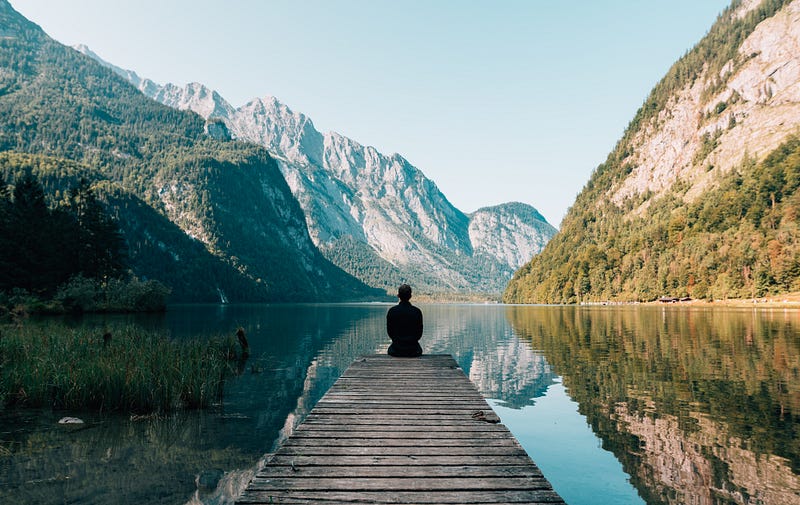
Photo by Simon Migaj on Unsplash — I wish I could be here right now.

According to Mindful.org, mindfulness is defined as:

Mindfulness is the basic human ability to be fully present, aware of where we are and what we’re doing, and not be overly reactive or overwhelmed by what’s going on around us.

Mindfulness is a quality that every human being already possesses, it’s not something you have to conjure up, you just have to learn how to access it.

Let’s break this definition down.

  1. The first part encompasses us being generally aware of the present.
  2. The second part is being specifically aware of where we are and what we are doing.
  3. The third part is not reacting to anything around us.

While it sounds pretty straight-forward, you’d be surprised at how easy it is to forget such a skill, especially if you fall out of practise. Plus, it requires a high degree of patience and discipline just to get back into the habit of being mindful. In other words, it has long-term benefits once you fall into a groove.
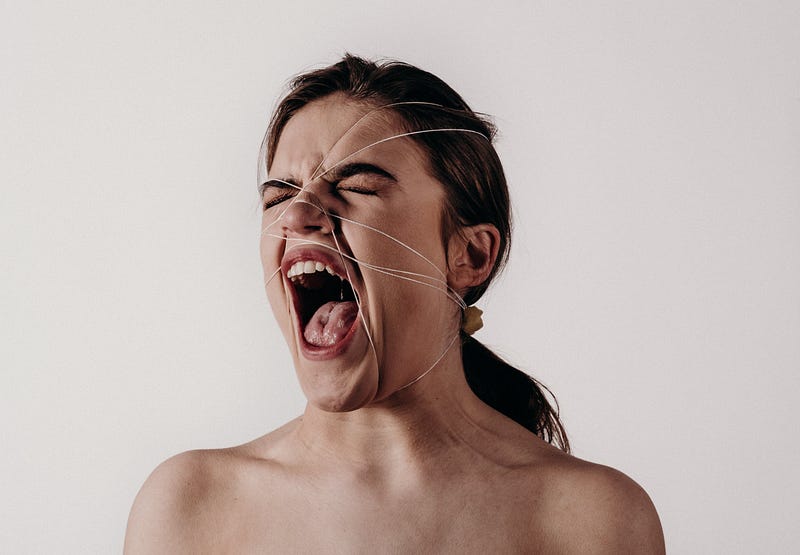
Photo by Noah Buscher on Unsplash — It’s okay to forget how to be mindful sometimes. Really.

So how does one fall out of practice? Have I fallen out of practice?

Here’s a simple exercise. Imagine yourself walking down the road. As you walk down this road, you will likely stumble across various buildings, people and other items along the way.

As you engage in your activity, think about what’s on your mind.

  • Are you thinking about incoming work or school deadlines?
  • Is your mind reflecting on past struggles?
  • Perhaps someone waved at you and you’re wondering if that person is secretly harbouring judgement on your new haircut.

If you find yourself thinking beyond your present moment, and into the past and future, your cognitive resources are not being optimized, increasing the risk for maladaptive levels of stress. In other words, this is not being mindful.

Think of mindfulness as just noticing things for what they are. This is not to say that we should not think about ulterior motives, goals, and deadlines. We live in a world that sometimes requires it.

However, when we have downtime, we can sometimes do a bit mindfulness every now and then. We can do it before bed, on the bus ride, for less than 10 minutes, or even for many hours. The options are limitless.
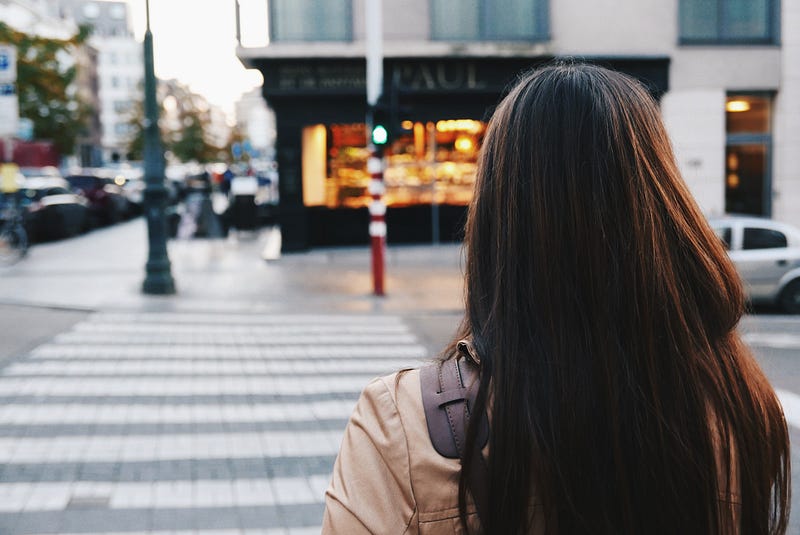
Photo by Octavian Rosca on Unsplash — Picture yourself walking down a road.

So how does one start to practice it?

Again, picture the same analogy this time. Imagine yourself walking down the same road again. Try to spend more time slowly observing your immediate surroundings as you do so.

  • What colour is the sky above you? Is it raining or snowing?
  • What kind of ground are walking on? Is it a cobbled road? The sidewalk? A dirt path?
  • What is the colour of the buildings that you pass?
  • Perhaps someone waved at you again. You notice that they have curly red hair. You don’t care if they are judging you though.
  • What sounds do you hear? Seagulls? Children playing? A TV announcer’s voice drifting out of the window?

As time goes on, it becomes an easier trait to practise. Plus, if you’re a writer, this might prove to be helpful in writing descriptive stories.

Here’s a helpful infographic:
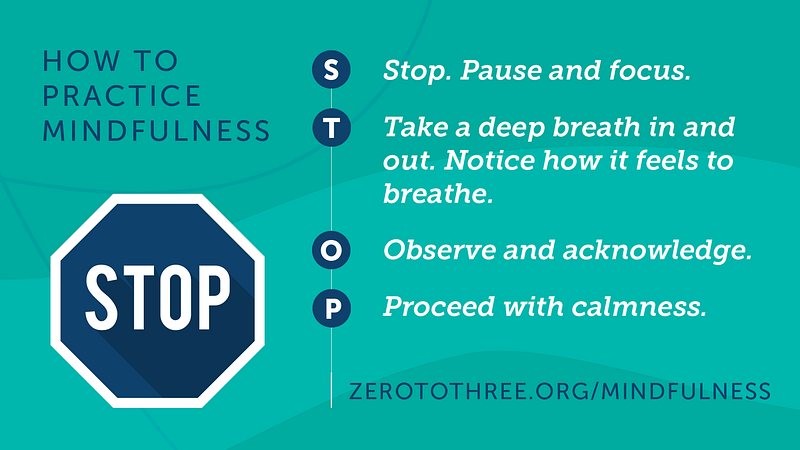
Photo by Zero To Three on Twitter

But how does this tie to Covid-19?

It’s simple. The more mindful we are of our environment, the more safer we are. If we get too lost in our daydreams, we might end up walking too close to someone, violating our social/physical distancing guidelines.

Plus, with collective society being a little bit more paranoid than usual (understandable given the sociopolitical tensions of our society), it’s good to find some kind of activity that takes us to a state of mind that is neutral and free from those kinds of pressures.

What kinds of positive side effects occur if I try to engage in mindfulness?

After perusing through various websites and research articles, such as from Positive Psychology, the American Psychological Association, and many more, this is what I have determined:

  • Decreased stress and anxiety
  • Improved emotional regulation against anger
  • Decreased restlessness leading to better sleep
  • Optimized executive functioning / cognitive flexibility
  • Enhanced memory, concentration and perception
  • Increased eye-hand coordination, focus, and alertness
  • Increased resilience against trauma (yes, this includes Covid-19)
  • Increased happiness and compassion
  • Improved communication with spouses/family/partners
  • Healthier immune system functioning (helpful, given world events)
  • Improved job performance
  • Optimized work-life balance

So what now?

Well now that we’ve explored a bit about mindfulness, hopefully you will have some basic tools needed to explore some resources on your own. I’ll share some links to resources you might want to consider using in the future.

In sum, mindfulness is possible, even when dealing with Covid-19.
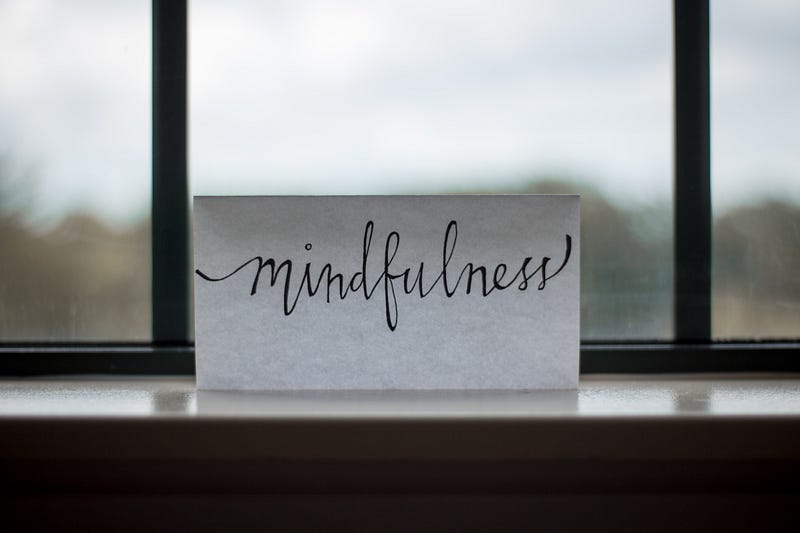
Photo by Lesly Juarez on Unsplash — Mindfulness for the win.
Mindfulness Covid19
Mindfulness Covid 19
Mindfulness During Covid
What Is Mindfulness
Recommended from ReadMedium