
Is Mexico Ready for a Female President?
I am breaking Barriers and roles in Mexican politics.
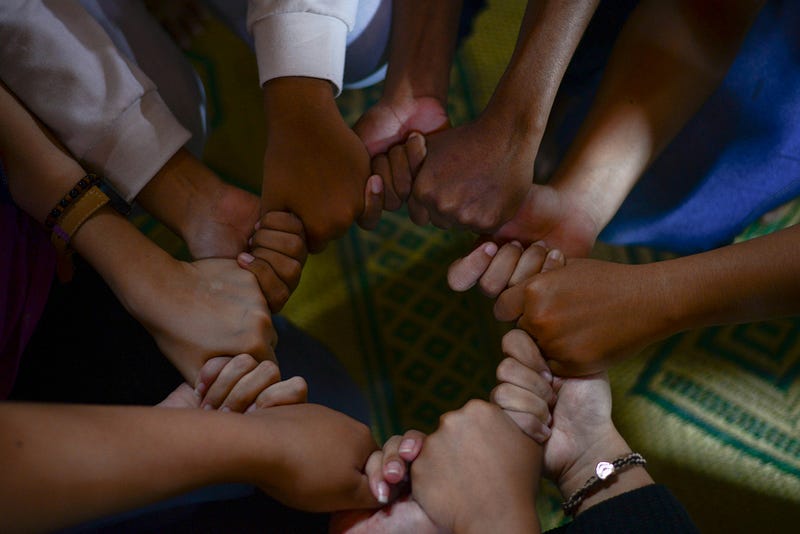
The first thing that comes to mind when presenting this question is: Why should we even ask this? Have we ever questioned if Mexico has been ready to have a man as president? The answer is NO! The question has never been whether we are prepared for a man to govern our country; however, this question has become recurrent in 2024.
In the 2024 presidential elections, it is most likely that Mexico will have a female president for the first time; either Claudia Sheinbaum or Xóchitl Gálvez will become the president of Mexico. And what does this mean? Why is there a question about whether Mexico is ready to be governed by a woman?
There are only 22 female presidents or prime ministers, representing 6% of the countries worldwide. By region, Europe, especially the northern part, has the most women in high positions globally. In Central America, Nicaragua is the country with the highest female representation in its government.
There are several challenges that women in politics face, challenges that their male counterparts do not meet; here are some of them:
— Cultural norms and gender stereotypes — Historical gap — Inequality in access to education and resources — Lack of role models — Biases and discrimination — Balancing personal and political life — Violence and harassment
In the specific case of Mexico, it is the fourth country in the world with the highest legislative power for women. However, despite this, President Andrés Manuel López Obrador has had several controversial interactions with feminist groups, showing his lack of knowledge and understanding of the cause and the feminist movement.
Returning to the question: Is Mexico ready for a female president? It must be. Mexico and all countries must be prepared to have the best-prepared leader. Whether it is a man or a woman should not influence the decision. The best president should be chosen based on their preparation, honesty, dedication, sense of justice, and conciliation, among other characteristics.
What is the reality? The reality is that these women will have to work even harder than their male counterparts. They must be prepared to receive questions and criticisms for being women. They must break gender stereotypes, demonstrate their intellectual capacity to assume responsibilities and overcome biases and discrimination.
Ready or not, Mexico will have a female president who will be a real example for thousands of girls who will see themselves reflected in her. They will know that it is possible to reach the highest position in government and any other field. A woman who will have to go beyond just being the first female president of Mexico; she will be the precedent for a better country for all, men and women.


