
Is Mea Culpa Less About Me and More About You?
It’s your fault but …
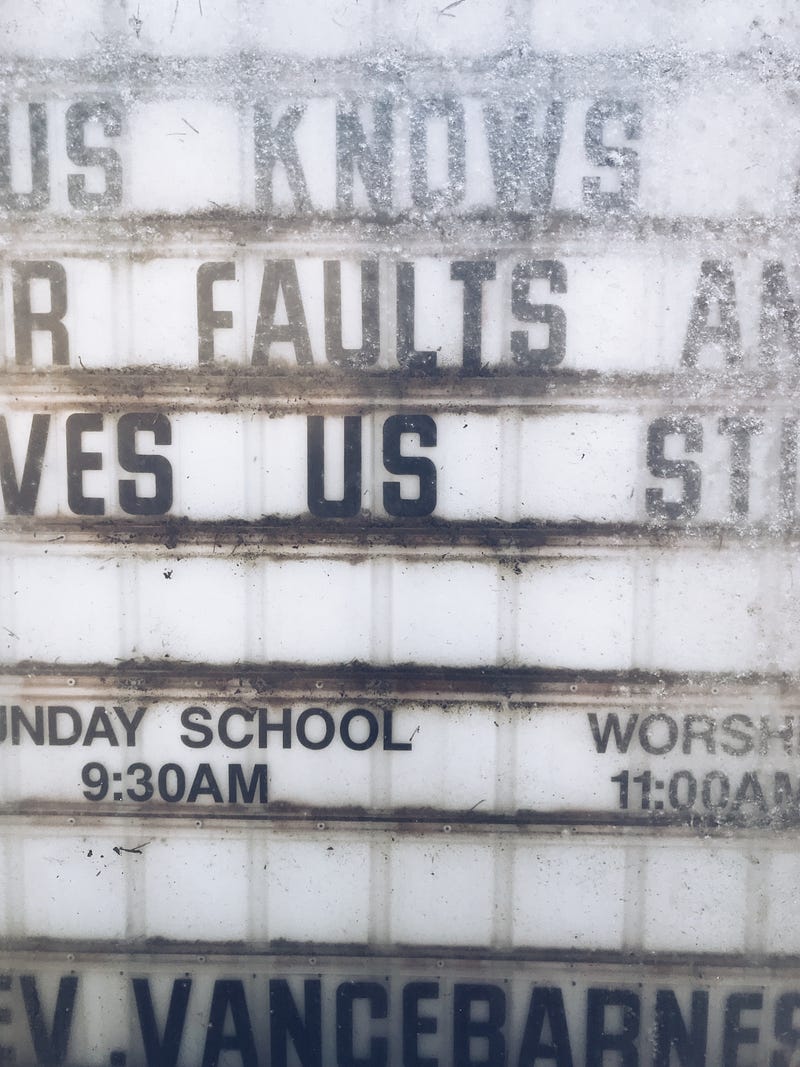
A client told me that she’d recently attended an NA meeting. Everyone, she said, talked about Mea Culpa, my fault, my responsibility, and then went on to blame other people for their habit.
That got me thinking? Why is it so difficult to take the blame for your actions? To accept responsibility?
Someone else’s fault
It’s human nature, it seems, to want to avoid responsibility, but the truth is that taking responsibility is the only way to learn from your mistakes and move on.
Blaming others might make you feel better in the moment, but it doesn’t do anything to solve the problem. It often makes things worse. When you blame others, you’re essentially giving up your power to change the situation.
Blaming yourself for your addiction or the breakdown of a relationship, getting sacked from your job or not eating well is hard.
It makes you feel worse to admit that it’s all down to you because if you admit that, you can change things. And admitting that is even harder.
So you put the blame on someone else.
Yes, Mea Culpa, you say, holding your hands in the air. But …
It’s their fault I feel like this
You might blame your partner or boss for driving you to drink, drugs or despair. If they would just get off your back, you’d be fine.
Really?
Blaming someone else for the way you feel means that you’ve put yourself into victim mode. And then you can add a dollop of angst to the pity party.
No one can make you feel anything. You know the old saying, ‘sticks and stone can break my bones, but names can never hurt me’? There is a reason that this old saying has stuck around like shit on your shoe.
Yes, everyone can feel hurt if they’re called names or poorly treated. Of course, we’re all human, after all. But once this initial hurt feeling has faded, you can see that you don’t have to be affected by someone else’s mood or opinion.
I’m not suggesting that if the person standing in front of you is ranting, you think, ‘oh, someone needs a hug’, and step forward with your arms outstretched, but you get the picture?
No one is mean unless they’re feeling upset, hurt or angry. And whatever someone else feels is coming from them, it’s not about you. The same person ranting might not ever be that mean if they felt happy.
Or maybe they are just mean?
But that’s still nothing to do with you. So if you’re not to blame for their mood, they’re not to blame for your actions.
If you blame someone else for your actions, you must imagine that you know how the other person feels about you. Yes, you say, that’s because they tell me. But at the moment they tell you what a waste of space you are, you’re probably not doing the thing you’re blaming them for.
No, that comes afterwards. When you keep thinking about what they said or how they acted. And then you remember every other harsh word, and this is what you react to.
You’re reacting to your thoughts about the other person and blaming them because it’s their fault.
It’s their fault that I didn’t …
I’ve had many clients over the years that tell me what they would have done with their life if it hadn’t been for someone else.
People tell me about the careers they would have had, the places they would have visited if it wasn’t for their partner or parent.
And when I ask them why they aren’t doing any of these things now, they shrug and tell me that it’s too late.
It’s never too late. Fauja Singh started running at 81 and went on to complete marathons.
It’s not someone else’s fault that you haven’t started the life you think you should have. It’s time to take responsibility for your choices.
Maybe the glittering career is only ever a nice idea? I met someone at a party who told me that she’d love to be a travel writer. Wonderful, I said, where have you been lately? Oh no, she said, I haven’t been away for years. I went to Spain once.
OK, I said, so what do you write? For a publication, or do you journal?
Again the shrug. No, she said, I don’t write often.
Maybe she could be a lion tamer?
If there is something you want to do, come to a compromise with a partner or childcare and do it. And if you don’t do it, it isn’t anyone else’s fault.
You don’t have to do what someone else wants you to do. And if you do, it’s not down to them.
My parents wanted me to …
How many people blame their parents for their choices?
They blame their parents for not going into a career they want because their parents didn’t think it was suitable.
Now I know that this might have been the case in the 1950s, and I also accept that there are cultural reasons that some people still do what their parents want them to, but most people can’t blame their parents for their choices. I used to work in the architecture school at a university, and some students started their degree, and it’s a seven-year slog to become an architect, because their parents wanted them to.
And they hated it. Some stuck it out, but many left at some stage. But there were students who wanted to become an architect. Students who didn’t have their parents backing and who worked in the evenings to fund their choice.
Stop blaming your parents for your career, partner or hair colour.
I’ve never come across anyone who doesn’t have a bone in their closet, if not a whole skeleton.
Everyone has something they never owned up to, whether that’s a drunken kiss at the Christmas party or stealing from a shop when you were a teenager.
And, often, weirdly, these are the things that haunt you when you wake up at 3 am. But the things you took responsibility for, the things that you own, rarely poke you awake.
So stop singing ‘It wasn’t me’ a la Shaggy, own your choices and mistakes, and sleep peacefully.


