avatarCharlene Ann Mildred

Free AI web copilot to create summaries, insights and extended knowledge, download it at here

3133

Abstract

inating deforestation from its supply chain by 2030.</a> But, the pace seems faster than the urgency of the issue.</p><p id="92bd"><b>If there’s one thing synonymous with fast food, it’s packaging.</b></p><figure id="99d5"><img src="https://cdn-images-1.readmedium.com/v2/resize:fit:800/1*R0Gs2poy0z-39bKKe7SrAA.png"><figcaption>Mcdonald’s Restaurant Taiwan — Photo by Robbin Lee on <a href="https://www.canva.com/photos/MADYxIcXb4I-mcdonald-s-restaurant-taiwan/">CANVA PRO</a></figcaption></figure><p id="cfe1"><a href="https://corporate.mcdonalds.com/corpmcd/our-stories/article/renewable_packaging.html">McDonald’s has pledged to make all its packaging from renewable, recycled, or certified sources by 2025.</a> This is to address this. They’ve also experimented with initiatives like Loop, a platform for reusable packaging.</p><p id="2744"><b>But is it enough to counter the throw-away culture intrinsic to fast food?</b></p><p id="1618">A conversation with a local McDonald’s manager came to mind. “We’re trying to reduce waste, but it’s challenging. <i>“The volume we deal with is enormous,” </i>he said. He emphasized the gap between corporate promises and ground reality.</p><p id="d779">Sustainability isn’t about the environment; it’s also about people. McDonald’s has faced criticism over its labor practices.</p><p id="abd2">People have also criticized the health implications of its menu. The company has taken steps towards offering healthier options. It has also ensured fair labor practices.</p><h2 id="72f8">But we must still address these issues: Can a fast-food giant be sustainable?</h2><p id="4ae1">This led me to reflect on my own choices. When I chose a quick meal at McDonald’s, I often ranked convenience or nostalgia over considering the environmental impact.</p><p id="b7b6">Pointing fingers at corporations is easy, but change begins with individual actions. This doesn’t mean boycotting fast food, but being mindful of our consumption patterns.</p><p id="227c">Innovation could be a key player in McDonald’s sustainability saga.</p><p id="b63c">I encountered initiatives like plant-based options. Efforts aimed to incorporate AI to reduce energy usage. Implementing these technological advancements at scale and speed could be game-changers.</p><p id="a341">One of the most powerful tools we have is dialogue. Engaging with companies like McDonald’s, taking surveys, and giving feedback can influence their policies.</p><p id="e0ab">Corporations, after all, respond to consumer demands. If people demand sustainability, they will likely speed up their efforts.</p><p id="7beb">McDonald’s is a global entity, and its sustainability efforts have worldwide implications. In developing countries, environmental regulations may need to be revised.</p><p id="2c06">McDonald’s could play a pivotal role in setting high sustainability standards. This is not only about corporate responsibility but also about global leadership.</p><p id="a122">I can’t help but wonder about the future of fast food. The world is becoming more eco-conscious.</p><p id="6bd0"><b>Will we see a paradigm shift?</b></p><p id="3e0f">

Options

Sustainability could become a foundational principle, not a marketing tool. With its influence, McDonald’s has the potential to lead this change.</p><p id="fb56">The story of McDonald’s and its sustainability is ongoing.</p><p id="dd92">There are no definitive answers, only layers of complexity.</p><p id="3d92">One thing is clear: <b>collective action and conscious consumerism can drive significant change.</b></p><blockquote id="c007"><p><b>Let’s make our next meal count, not for our taste buds but for the planet.</b></p></blockquote><p id="f401"><b>Thanks for taking the time to read. </b>I’d like to hear your perspective.</p><p id="f880"><i>You can also refer to the related articles:</i></p><div id="3705" class="link-block"> <a href="https://readmedium.com/what-to-wear-in-the-norwegian-business-setting-a09fb6edb206"> <div> <div> <h2>What to Wear in the Norwegian Business Setting</h2> <div><h3>Blending Professionalism with Nordic Elegance</h3></div> <div><p>medium.com</p></div> </div> <div> <div style="background-image: url(https://miro.readmedium.com/v2/resize:fit:320/1*MEkfUpP4PJV-ZtQdBTaBQQ.png)"></div> </div> </div> </a> </div><div id="ffc6" class="link-block"> <a href="https://readmedium.com/why-genuine-brands-win-in-the-long-run-5136a48a8cfb"> <div> <div> <h2>Why Genuine Brands Win in the Long Run</h2> <div><h3>In a World of Flash, the Sincere Shine Brightest</h3></div> <div><p>medium.com</p></div> </div> <div> <div style="background-image: url(https://miro.readmedium.com/v2/resize:fit:320/0*J3Y1uhbe7JyJ0E2X)"></div> </div> </div> </a> </div><div id="a5f4" class="link-block"> <a href="https://readmedium.com/panic-at-the-spreadsheet-21d5f6cf80"> <div> <div> <h2>Panic! At The Spreadsheet</h2> <div><h3>Navigating the Data Mosh Pit without Missing a Beat</h3></div> <div><p>medium.com</p></div> </div> <div> <div style="background-image: url(https://miro.readmedium.com/v2/resize:fit:320/1*IFC-fmvwzlj1ybDTmsv6DQ.jpeg)"></div> </div> </div> </a> </div><figure id="aa4f"><img src="https://cdn-images-1.readmedium.com/v2/resize:fit:800/1*_-2XWQ628MY76mYTwul1Ow.png"><figcaption></figcaption></figure><p id="94cb">Please <a href="https://medium.com/subscribe/@charleneannmildredfbarroga"><b>subscribe here</b> </a>to receive the latest insightful stories by email.</p><blockquote id="95ea"><p><b><i>Did you find this enjoyable? If so, remember to hit the clap button, which you can press up to 50 times and comment. Take advantage of more from me — ensure you’re following if you still need to. Thank you for being an integral part of my journey.</i></b></p></blockquote></article></body>

Is McDonald’s as Sustainable as It Claims?

Golden Arches
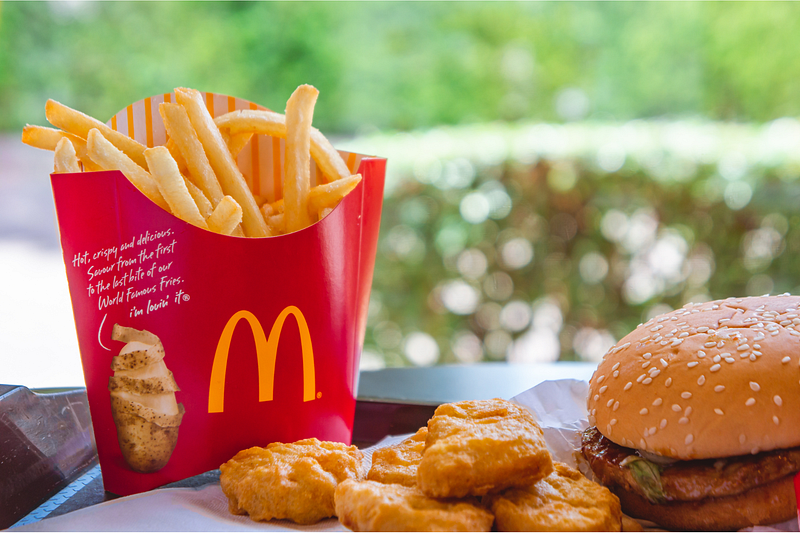
Udon Thani, Thailand, 20 May 2018 in the McDonald's Restaurant — Photo by ภาพของaboutnug on CANVA PRO

The term “sustainability” is as common as McDonald’s golden arches.

It’s crucial to cut through corporate jargon. Look at the true impact of one of the world’s largest fast-food chains.

McDonald’s has a global presence. It has made many claims about its commitment to sustainability. But how golden are these claims? Let’s in.

When I first heard of McDonald’s commitment to sustainability, I couldn’t help but recall my childhood memories of Happy Meals.

The unmistakable aroma of fries came to mind. It’s a brand that’s been a constant throughout my life. But as I’ve become more conscious, I’ve started to question the impact of these multinational giants.

McDonald’s has been vocal about its efforts to reduce carbon emissions. They are also shifting towards renewable energy and improving packaging. These are commendable steps.

But I was skeptical because I’d seen the corporate world’s tendency to greenwash. So, I decided to gather data and reports. I wanted to be cynical about the truth behind McDonald’s environmental claims.

McDonald’s serves millions of people daily.

Such an operation comes with a significant carbon footprint. Ceres is a nonprofit focused on sustainability. It says the fast-food industry contributes to global greenhouse gas emissions.

In its 2020 sustainability report, McDonald’s acknowledged this. It set a goal to reduce emissions by 36% by 2030.

Admirable, but is it enough?

To understand this better, I spoke with Dr. Emily Townsend. She’s a renowned environmental scientist. She explained that McDonald’s commitment is a step in the right direction. But, she said, the urgency of climate change means we need more aggressive action. “It’s not about reducing emissions but also how they source their ingredients.”

McDonald’s boasts responsible sourcing, especially beef, poultry, and fish. The company claims to focus on animal welfare and sustainable agriculture.

But how does this commitment go?

Investigations by organizations like Greenpeace have shown that the fast-food industry’s demand for soy contributes to deforestation.

Farmers use this soy as animal feed. The Amazon affects regions. McDonald’s has committed to eliminating deforestation from its supply chain by 2030. But, the pace seems faster than the urgency of the issue.

If there’s one thing synonymous with fast food, it’s packaging.
Mcdonald’s Restaurant Taiwan — Photo by Robbin Lee on CANVA PRO

McDonald’s has pledged to make all its packaging from renewable, recycled, or certified sources by 2025. This is to address this. They’ve also experimented with initiatives like Loop, a platform for reusable packaging.

But is it enough to counter the throw-away culture intrinsic to fast food?

A conversation with a local McDonald’s manager came to mind. “We’re trying to reduce waste, but it’s challenging. “The volume we deal with is enormous,” he said. He emphasized the gap between corporate promises and ground reality.

Sustainability isn’t about the environment; it’s also about people. McDonald’s has faced criticism over its labor practices.

People have also criticized the health implications of its menu. The company has taken steps towards offering healthier options. It has also ensured fair labor practices.

But we must still address these issues: Can a fast-food giant be sustainable?

This led me to reflect on my own choices. When I chose a quick meal at McDonald’s, I often ranked convenience or nostalgia over considering the environmental impact.

Pointing fingers at corporations is easy, but change begins with individual actions. This doesn’t mean boycotting fast food, but being mindful of our consumption patterns.

Innovation could be a key player in McDonald’s sustainability saga.

I encountered initiatives like plant-based options. Efforts aimed to incorporate AI to reduce energy usage. Implementing these technological advancements at scale and speed could be game-changers.

One of the most powerful tools we have is dialogue. Engaging with companies like McDonald’s, taking surveys, and giving feedback can influence their policies.

Corporations, after all, respond to consumer demands. If people demand sustainability, they will likely speed up their efforts.

McDonald’s is a global entity, and its sustainability efforts have worldwide implications. In developing countries, environmental regulations may need to be revised.

McDonald’s could play a pivotal role in setting high sustainability standards. This is not only about corporate responsibility but also about global leadership.

I can’t help but wonder about the future of fast food. The world is becoming more eco-conscious.

Will we see a paradigm shift?

Sustainability could become a foundational principle, not a marketing tool. With its influence, McDonald’s has the potential to lead this change.

The story of McDonald’s and its sustainability is ongoing.

There are no definitive answers, only layers of complexity.

One thing is clear: collective action and conscious consumerism can drive significant change.

Let’s make our next meal count, not for our taste buds but for the planet.

Thanks for taking the time to read. I’d like to hear your perspective.

You can also refer to the related articles:

Please subscribe here to receive the latest insightful stories by email.

Did you find this enjoyable? If so, remember to hit the clap button, which you can press up to 50 times and comment. Take advantage of more from me — ensure you’re following if you still need to. Thank you for being an integral part of my journey.

Business
Fast Food
McDonalds
Greenwashing
Eco Friendly
Recommended from ReadMedium