
Is it true that you can overcome addiction to drugs, alcohol, or smoking with just strong willpower?
Expert in psychology: “A mental disease, addiction is. You don’t want to; it doesn’t matter that you can.”
Alcohol use, gambling addiction, substance abuse, and fuming are all examples of addictions. Cătălina Constantin, a psychologist and the director of the National Center for Sănătate Mintală and Luptă Antidrog, refutes a common belief that those who suffer from addictions lack the willpower to reject them. She claims that addiction is actually a psychological disease.

Dependency is a psychological disease. People with addiction are some of the sickest people. It’s not about heartbreak, and, above all, it’s not about the fact that they could but did not. It’s a very tricky situation.
Treatment for addiction often lasts two years, but it doesn’t cure the addiction on its own; rather, it only helps the patient become abstinent: “Total life is dependent; your brain has changed to become dependent as well.” The best thing one can do is practice abstinence, according to psychologist Cătălina Constantin.
These are addictions and how they affect us: “It affects all of the minor paliers.”
First of all, psychologist Cătălina Constantin states that she has attempted to define mental health, even if she acknowledges that she is unsure of how appropriate it is: “We are aware of our equilibrium point at the moment we discover it; we become aware of it when we leave our equilibrium point; and we are about to undertake all necessary steps to return to our equilibrium point. Say this: if there is suffering, whatever it may be, we are in communication with our inner selves, and we know what we need, who we are primarily, and what we have done.
Right now, we identify the region where we can get assistance—whether from our neighbors or from within ourselves—and we do everything within our power to return to a state of equilibrium. Even though the majority of us do not recognize it this way, addiction is a psychological disease, as Cătălina Constantin emphasizes: Addiction is a psychological disease. Individuals who suffer from addiction are considered to be sick. It’s not about lips of passion, and, above all, it’s not about the fact that they can, but they won’t.
Clinical psychologist Cătălina Constantin is the head of the National Health Center Mintală and Luptă Antidrog. An addictive situation is characterized as “complex.” “When you suffer from this, it affects all of your minorities,” psychologist Cătălina Constantin says.
- In terms of physical health, everyone is aware that individuals who suffer from alcohol addiction have mental health issues and other problems. Take alcohol as an example. Drinking too much alcohol puts one in a highly vulnerable situation and may even result in disaster if alcohol use is abruptly stopped without the necessary steps taken.
- In terms of personal life—professional work, day-to-day activities, friendships, and membership in a family or group that participates in society—you have likely encountered a great number of people who are either beyond or at the edge of your social circle. A significant portion of them struggle with addiction.
Who are the people who end up suffering from addiction? “It is a grip on the soul.” Who are the people who suffer from addiction? These are typically those “with long-standing health issues, particularly mental health issues, who have been exposed to certain behaviors that have been validated.”
What do these behaviors that have been validated mean? “If mommy and tata smoke, it won’t be as easy for them to do so.” The majority of my friends who smoke marijuana or use etnobotanic products are 5 million smokers and millions of alcohol consumers. Alcohol is consumed during the most significant occasions in our lives, such as Christmas, birthdays, and marriages.
At that point, it wouldn’t have been that bad. And most importantly, after consuming one drink of alcohol, the tolerance decreases; it no longer seems as severe to consume it along with the second, third, and so on. “It is possible to reach a state of intoxication or even alcoholism,” psychologist Cătălina Constantin explained during the “Equilibrium Debate” held by the Consortium of Peace Organizations with Afective Nations, the Central Military Hospital, and the Association of Sisters Ierarh Alexandru and Cuvioasă Paraschiva/Arhiepiscopia Bucureştiului.
Addictions arise because people believe that habits will help them deal with problems or rewards. The psychologist goes on to say that people who suffer from addictions typically have psychological issues and, when using certain substances, know how to deal with the problems they have encountered. These behaviors they have learned are normal because they are accepted by significant others in their lives and because they involve situations in which they are so vulnerable that the only way they feel safe is to avoid the behaviors or substances in question.
Recognize that we have an incredibly well-functioning survival system. For example, if you’re twenty and haven’t had access to water for a while, when you finally get to drink it, your uncomfortable state disappears and is replaced with a relaxed and enjoyable one. This is our system of rewards, whereby we are rewarded for engaging in life-sustaining behavior.
Addictions are often habits that we do not need, according to the director of the National Center for Sănătate Mintală and Luptă Antidrog. For instance, we cry when we are upset, depressed, or angry in social situations, yet we never cry. Do we actually need alcohol? Etilic acid is a substance that does not exist in the body and is not necessary.
However, we do consume them occasionally at happy times, or, if we are feeling very well, when we have a glass of alcohol, we feel better. If I had a day of pure regret, I would definitely drink a few glasses of alcohol and feel happier. Why does alcohol face this? Other people’s printing relaxes muscles, and I feel better and associate these effects with my current state of well-being.
Furthermore, “we also have some guiding principles that we follow: minimum effort and maximum effect, or avoid pain and seek pleasure.” When marijuana is smoked, it contains nicotine, one of the only addictive substances among the 3,000 hazardous substances that cause cancer. After inhaling tobacco smoke, nicotine enters the brain and releases dopamine, or the fear hormone, within seven seconds. If you feel anxious and scared, you can either take a half-hour walk to release dopamine or take two cigarettes, which will give you the desired effect in seven seconds. As the consequences get more distant over time, you will have to choose a decision that seems easier to you.
According to Cătălina Constantin, many addicts experience a “gripă sufletului” and are predisposed to suicidal thoughts and behaviors. Imagine for a moment that you are gripped and that you want everything, that you are unable to focus or even look at a movie, and that you are feverish. Consider how much each of these obese ones affects. In addition to all of this, you also possess a sort of “grip sufletului,” where you are unable to focus, sleep, spend all of your time with others, believe you are winning, believe you are inadequate, stare into space, and blur what you see.
This is an illustration where a person suffering from addiction is faced; it also discusses more severe addictions. Addiction to drugs usually subsides until the age of fifty, at which point the patient develops a disease that cannot be cured until such time as they are certain they are well. But whether it’s alcoholism, drug addiction, other psychoactive substances, or gambling addiction, suicidal thoughts and behaviors are there almost all the time.
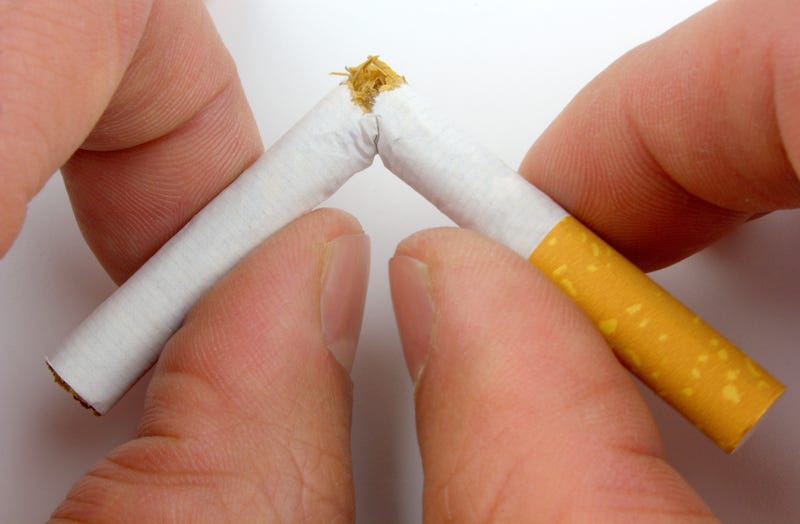
A person suffering from addiction needs “all the help in the world,” without being judged.
A person suffering from addiction finds themselves “into a difficult situation” and requires all assistance from the world without being judged, according to psychologist Cătălina Constantin. First and foremost, this kind of person needs to be educated about substance consumption: “Most of them know more than we do about the substances that are on the market, but most importantly, they should be helped to develop the ability to say “no” when someone invites them to consume or engage in risky behavior, and they should learn how to identify the person who can provide assistance when they find themselves in a difficult situation and need assistance.”
Another issue is that the vast majority of young people do not realize they are in such a situation. What is it? Without fear, “it is a fantasy that is never in line with reality. And at that point, we have to figure out how to handle this, explain what happened, and offer assistance.
Another service that is necessary in order to address addiction is for a medical setting to recognize that a patient may have an issue related to their use of substances and refer the patient to a professional in that field, according to Cătălina Constantin: “And how do they do that? The majority of professionals who work with individuals who have addiction issues need to be aware of a few crucial facts. Never judge the individual.
It’s important to communicate with him effectively, using all the tools at your disposal for effective communication: active listening, open-ended questions, constructive criticism, and positive reinforcement. Tell him what’s going well, what could be improved, and how you would recommend it. I can assure you that I didn’t just give him advice; instead, I also pointed him in the direction of experts in the field that I know and trust.
Who was to carry out this action? “All physicians who are involved come into contact with individuals who suffer from addictions or risky behavior, educational institutions, social service providers, and patients.”
What comes next after this? “The first thing I advise anyone suffering from addiction to do is to see a psychologist who specializes in mental health issues. This is the person who suffers from addiction’s best source of support.” It is crucial that you go to the psychologist first. The psychologist will assess you and recommend medication, or not. Next, you should see a psychotherapist and, if necessary, a social worker. Community-based interventions include ambulators and community mental health services that we do not currently offer.
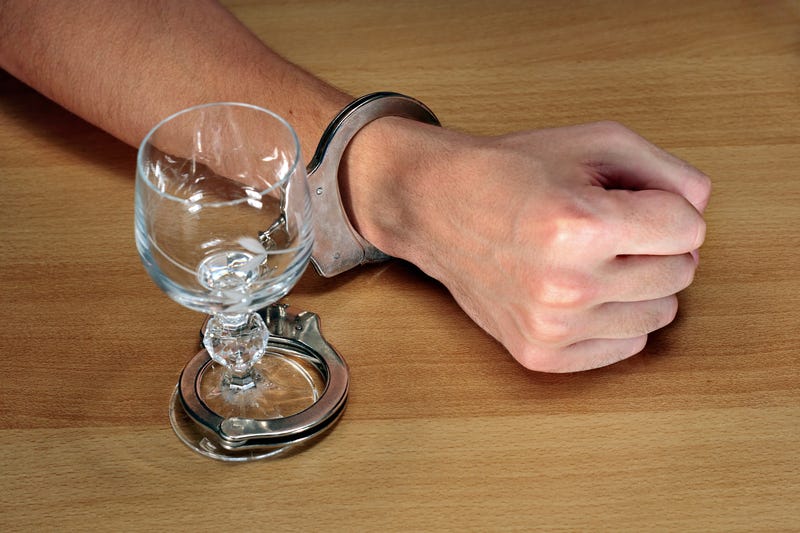
If someone has followed psychiatric treatment and stopped using drugs and alcohol, this does not imply that the entire issue has been resolved. Although addiction is a psychological disease, it is one of the most common symptoms: you become dependent on substances because of health issues, other existential issues, such as a toxic family, a diminished ability to cope with the challenging environment in which you live, or a lack of resources.
We are not just talking about monetary resources here; we are also talking about the fact that you do not have friends or a support system that can help you feel good about yourself and that you are a valuable member of the community in which you live. And at that point, sophisticated interventions are required. At this time, Romania does not have therapeutic communities that provide comprehensive medical, psychological, and social services. In the state system, there are none. In this specific system, we have knowledge about a single person who can provide all of these things.
The two-year addiction treatment program does not allow you to overcome dependency; the only thing you can do is become abstinent. The treatment takes two years. Depending on the circumstances, medication treatment may not be required for as long. However, you will need to heal your brain and develop the necessary skills to deal with day-to-day life in two years.
Another thing these people need is that, after receiving appropriate institutionalized treatment, they need to maintain contact with the medical team and show up for an evaluation. One year, or two years, is very significant. And to understand that those moments when he reached a vulnerable point in his life—a vehicle accident, a job loss, the death of a loved one, or a divorce—are painful events that occur in our lives.
And when you reached such a point, did you watch the movie? Which experts have you been led to believe can help you get over this point in time? The ce? Because the vast majority of people in your community may be able to handle such an event, you are already a vulnerable person. Your entire life will become dependent, as your brain has changed to become dependent. The only thing you can do is practice abstinence. There are also some circumstances when you can return to controlled consumption, meaning that you can consume once every three months, twice a year, or five years.
Therefore, before you jump into anything out of curiosity, consider the likelihood that you will end up in a situation where you lose everything. You should reset and go into debt with very little money and a great deal of suffering.


