
Life Lessons
Is It True Alcohol Makes You More Creative, or Is That a Lie?
I believed this once, but here is what I found out after a deeper and more nuanced investigation.
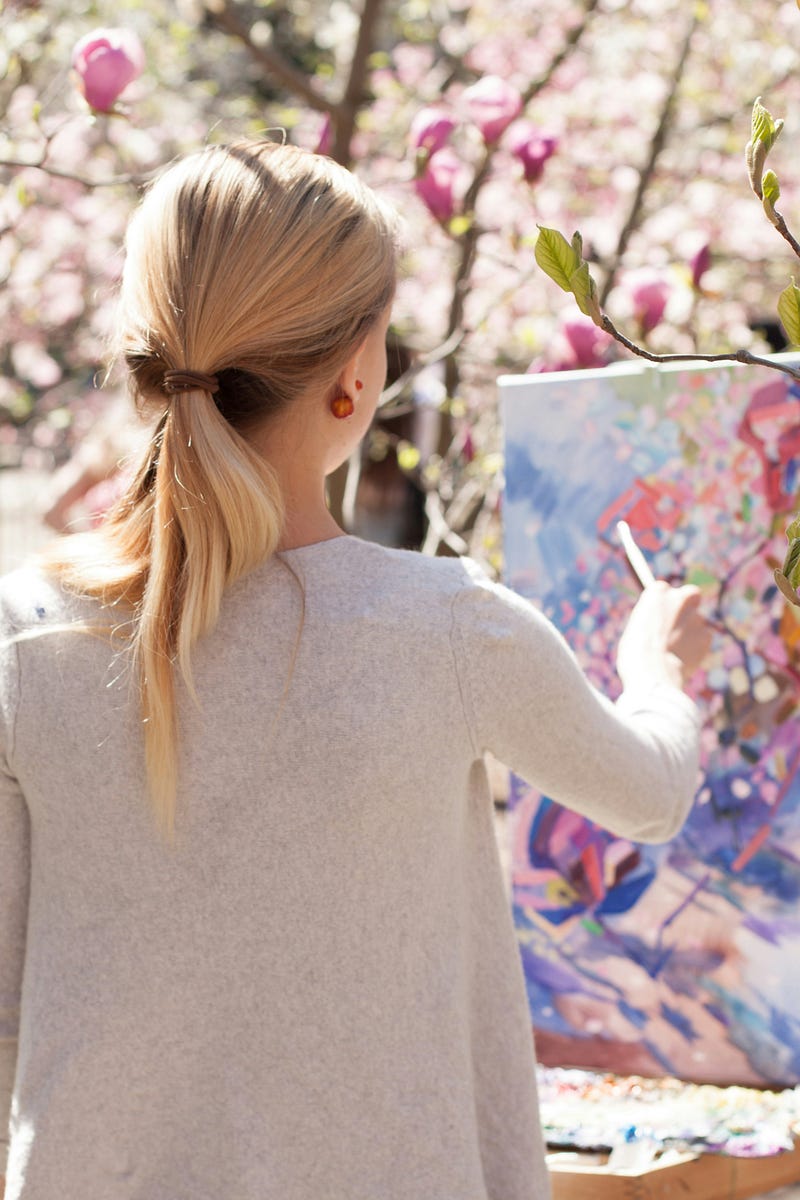
Late afternoons or early evenings, while sipping a glass of Chardonnay, a flow of creative ideas would flood my brain. I would become so excited and take notes for the latest decorating ideas.
Sometimes, it would be for a shop I would open. The perfect location would appear, and I could picture it exactly. Other times, my thoughts would wander, and I'd imagine a collage in soft pastels that I would begin tomorrow. All these creative visions were just that — visions that never materialized.
A second glass of wine would be drunk, and I'd get tipsy and realize that perhaps I needed to curtail some of these wild imaginings. I certainly couldn't t afford to open the shop of my dreams.
Sure, I could collage and redecorate, but where would I find the time? After all, I had children to raise (I was a single parent) and a business to run.
The alcohol brought on a cloud of doom that none of my notions or dreams would ever come to be. Is that what alcohol does? Boosts us up at the start only to drop us like a hot potato after indulging a tad too much in its venom?
Many creative geniuses drank alcohol to excess.
See my article here for more information on famous artists who suffered from their addiction to alcohol. I’d like to give you a few example’s within this story’s context.
Jackson Pollock, one of America's most famous painters of the 20th century, battled alcohol misuse throughout his life. He died while driving his car drunk, crashing into a tree, and also taking the life of his friend, Edith Metzger.
Other creatives who abused alcohol were Ernest Hemingway, F. Scott Fitzgerald, Truman Capote, Vincent van Gogh, and Toulouse-Lautrec. The list goes on throughout history.
There were many alcohol enthusiasts in the literary world, including Hunter S. Thompson, who was quoted as saying: “I'd hate to advocate drugs, alcohol or insanity to anyone — but they've always worked for me.”
Conversely, Ben Haggerty (Macklemore), the successful hip-hop artist, said about achieving sobriety:
“I know that addiction is a treatable disease, but I’m never going to be cured, and I’m completely fine with that. The world that recovery has led me to is beyond anything I ever could have imagined. I would never have had a career in music had I not been able to go to treatment. I would have been dead. These aren’t grandiose thoughts or for shock value. It’s just the truth.”
Raymond Carver was an American short story writer and poet. His first collection of stories, Will You Please Be Quiet, Please?, was published in 1976. His short story Cathedral was considered by Carver his watershed moment and is widely regarded as his masterpiece.
He had this to say about addiction: “Any artist who is an alcoholic is an artist despite their alcoholism, not because of it.”
Stephen King, one of America's most beloved and prolific writers, abused alcohol for decades and added cocaine and pills to the mix. He finally quit when his wife gave him the ultimatum — sober up or get out.
About alcohol and creativity, he said:
“Substance abusing writers are just substance abusers — common garden shop variety drunks and druggies; in other words, any claims that the drugs and alcohol are necessary to dull a finer sensibility are just the usual self-serving bullsh*t.”
I agree with Mr. King.
In a 2012 study, researchers showed that when subjects consumed alcohol, their brains released an excess of endorphins known to cause feelings of pleasure and reward (University of San Francisco).
However, it turns out you don’t need to consume alcohol for these endorphins to be released. If given a placebo, believing it is alcohol — the same result occurs. You might discover how to naturally create endorphins, as Dr Yildiz articulated in this story.
Conclusions and Takeaways
Once I quit drinking, I found writing. I'm still a rookie at both, with a little over five years of sobriety, yet I know you would not be reading this if I were still imbibing.
If you're an emerging artist, regardless of whether it's fine art, writing, pottery, or any of many creative endeavors, turn to something other than booze. It will not help you succeed.
Based on my poignant experience with alcohol for many years, in fact, alcohol could be the end of your creative dreams because believing it's a door to creativity is a big lie.
Thank you for reading my story. Here’s how I overcame seven sobriety roadblocks.
If you need help quitting drinking, call your local alcohol abuse hotline or SAMHSA (Substance Abuse and Mental Health Service Administration) at 1-800–662-HELP (4357). It's a call you won't regret.