avatarJacquelyn Lynn

Summary

The article discusses the importance of updating nonfiction books to reflect current information and trends, suggesting that authors consider revising their works to maintain relevance and accuracy.

Abstract

In the wake of rapid changes accelerated by the pandemic, nonfiction authors are encouraged to review and update their published works, particularly those related to business, marketing, finance, culture, lifestyle, and relationships. The article outlines two main options for authors: writing a new book or revising the existing one to create a second edition. A second edition is recommended when at least 20-25 percent of the content is new or revised, allowing authors to reengage their audience with updated advice while preserving the value of the original work. The process of updating a book involves significant effort, including editing, design, and marketing, and authors must weigh the benefits of a second edition against the work required. The decision should consider factors such as professional credibility, speaking engagements, and attracting high-paying clients.

Opinions

  • The author believes that the pandemic has significantly altered the landscape in which nonfiction books exist, necessitating updates to maintain relevance.
  • It is implied that a book with outdated information can diminish in value and usefulness to readers.
  • The article suggests that a second edition with substantial updates (at least 20-25 percent new content) can be more beneficial than writing a completely new book.
  • The author emphasizes that producing a second edition is almost as much work as the original book, indicating that the decision to update should not be taken lightly.
  • Professional benefits such as credibility, speaking opportunities, and client acquisition are highlighted as potential justifications for the effort involved in updating a book.
  • The author encourages writers to ensure their books continue to work for them, hinting at the ongoing promotional value of keeping one's portfolio of work current.

Is it Time to Update Your Book?

If your book has outdated information, it may be time for a second edition.
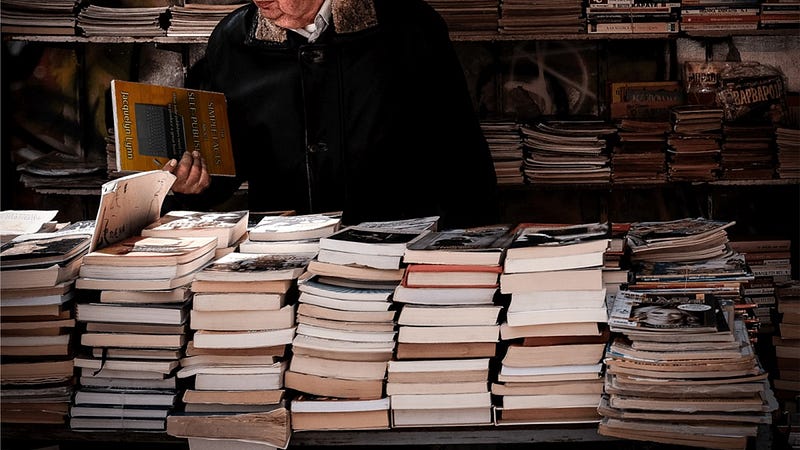
Image created by Jacquelyn Lynn using MockupShots

Here’s an obvious statement: Our world is radically different than it was just a year and a half ago.

The rapid change that was already the norm in many areas was expanded and accelerated by the pandemic. Among the abundant opportunities and challenges we’re all dealing with today is a special one for writers.

If you’re a nonfiction author who has published books on business, marketing, finance, culture, lifestyle, relationships, etc., it’s time to look at those books with an eye to updating them.

Some books are, of course, timeless. But if your book is more than two years old, it probably contains information or advice that is out of date. What can you do to keep it relevant?

You have two primary options.

1. Write a new book.

2. Revise your existing book.

A second edition of an existing book can reengage your audience, preserve the information that remains useful, update what has changed, and add new information your readers need.

A good rule of thumb is that at least 20–25 percent new or revised content merits a second edition. If you have more, that’s fine, as long as you’re keeping a substantial portion of the original work.

Image created by Jacquelyn Lynn using MockupShots

Keep in mind that producing a second edition takes almost as much work as the original book. Once you’ve reviewed and updated the manuscript, you need to go through all the steps: editing, proofreading, interior design, cover design, marketing, and launch.

Is it worth it? That’s a decision you have to make based on anticipated sales and other benefits a second edition might bring. For example, if your book earns you professional credibility, speaking gigs, and high-paying clients, then you might decide a second edition is a worthwhile investment. Or you might decide to leave your old books alone and write a new one.

Either way, take the time to review your old books. You worked hard to write them and get them on the market; make sure they’re still working for you.

Thanks for reading. This article was originally published on my site at CreateTeachInspire.com. You can reach me there or email me at [email protected].

You might find these articles of interest:

Here’s a little more about me:

Publishing
Writer
Self Publishing
Books
Business
Recommended from ReadMedium