
Is It Okay For Tourists To Celebrate Australia Day?
G’day, controversy

National days are weird, man. People wave their flags, paint their faces, and celebrate what are essentially imaginary lines that we’ve drawn in the sand. Most of these days were born in bloodshed, the end result of brutal wars or gaining independence by throwing down the colonial shackles and entering a post-colonial world.
Here in Australia, it’s a little different.
We don’t celebrate the day we kicked the British out of our country but the day that we welcomed them in. While this might have been good for some, it had less than ideal results for those who had been living here for some sixty thousand years before their arrival.
As a tourist coming to Australia, you’ve got no skin in the game. You came here to presumably enjoy our great beaches, see some weird wildlife [that may or may not kill you], and partake in our on-brand hospitality that will see you drink too much beer, eat yeast extract, and promptly pass out.
But if you are here for our national holiday or you ever intend to visit Australia during this time of year, it’s worth knowing a little bit about what we’re celebrating and why it is becoming increasingly controversial.
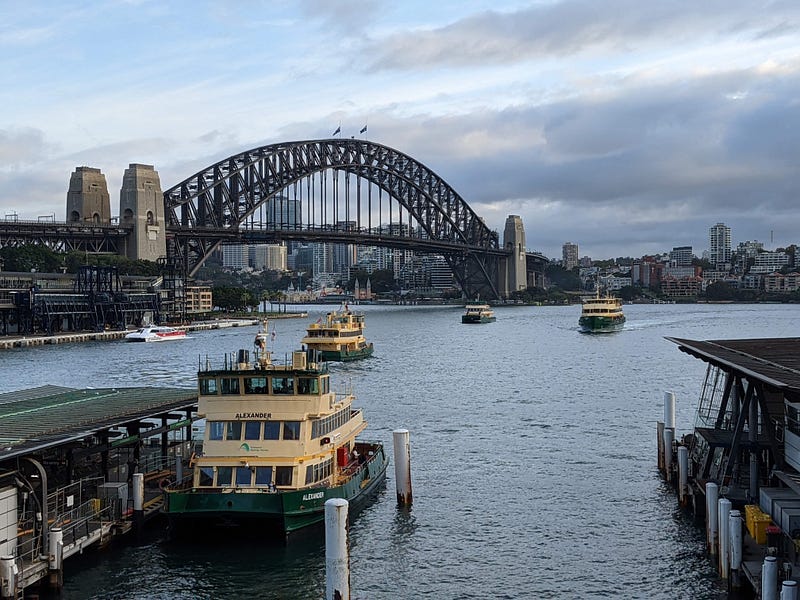
So, this day, Australia Day, is held on January 26th every year and it marks the landing of the First Fleet in Sydney Cove. It was a fleet of eleven ships that brought the first convicts to these shores, building the foundations for the modern idea of Australia that we know and love today.
Sounds like a pretty innocuous thing to celebrate, no?
But what this doesn’t take into account is that there were already people who had been living here for quite some time. For them, the arrival of this First Fleet didn’t so much represent the birth of a nation as it did the destruction of thousands of years of their culture.
They were introduced to new diseases, had their land taken from them, and were subject to all sorts of inhumane treatment that tends to come along with colonisation. There was even a government-sponsored initiative that involved forcibly removing children from their parents to try and integrate them into European society.
As you can imagine, this isn’t exactly something that you want to bust out the hat, the cake, and the party streamers for. It has led to a growing number [albeit still a minority] of people rebranding Australia Day as Invasion Day, treating it as a day of protest instead of one of celebration. There will be marches, there will be demonstrations, and there will be justifiably angry people on microphones.
This ‘Invasion Day’ vs. ‘Australia Day’ is an incredibly divisive topic amongst Australians, one which has no doubt seen many family dinners go from cordial to belligerent in a matter of minutes. To give you an idea of just how controversial it can be, our largest supermarket chains Coles and Woolworths recently announced that they would not be selling any Australia Day paraphernalia in their stores. The silly hats, the stupid flags, and all the plastic garbage that washes up on our beaches will not be hitting the shelves this year.
Yes!
Anything that reduces the amount of plastic waste we bring into this world is a win in my books. I was celebrating this accordingly until our opposition leader, Peter Dutton, called for a boycott of Woolworths to rile up his political base. One of the Woolworths stores was then vandalised, even though pulling this merchandise off the shelves had nothing to do with politics.
It was because of low sales.
Now, where does this leave you, the tourist, who is either planning to come or has already arrived in Australia and is looking to make the most of our national holiday?
It’s a tough one, really. Because while Australia Day is a very painful day for some people, it’s also a very joyful one for others. It’s the day when we hold our citizenship ceremonies, meaning that many people will look back on Australia Day as the one where they officially became one of ‘the mates.’ It’s also a national public holiday and if there is one thing that Australians love, it’s a public holiday, treating it as an excuse to party like the government-sponsored day off work that it is.
You will have fun, you will meet great people, and you will probably get drunk whether you like it or not.
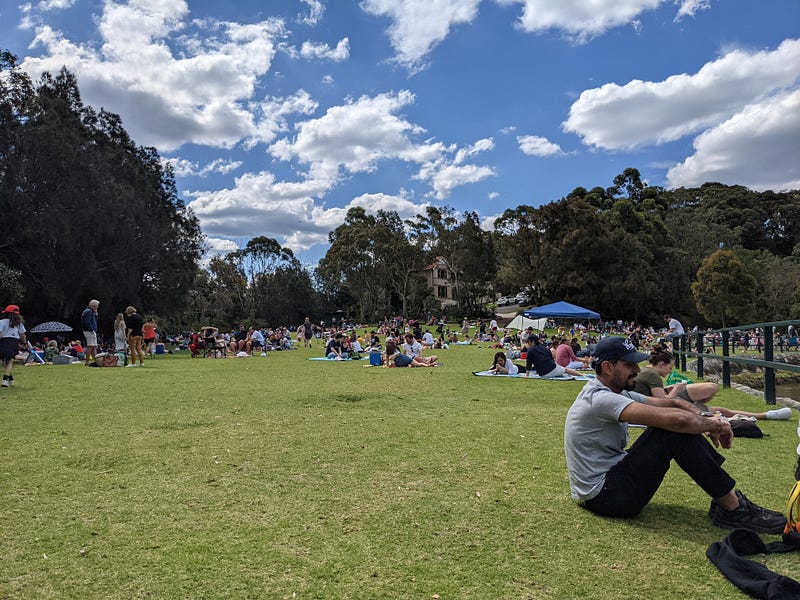
In the end, it falls into that nebulous grey area like so many other travel tropes do. Put it up there with climbing temples or bullfighting, the kind of thing that moves your moral compass and leaves you with the challenging task of which direction to follow.
Personally, I don’t celebrate Australia Day but then I’ve always found nationalism nauseating and do my best to avoid it where possible. I believe that we should view our national identity with a healthy amount of suspicion because when we take too much pride in where we’re from, we can lose a sense of who we are.
Even though I don’t celebrate it, I believe that all tourists who come to Australia should feel empowered to celebrate Australia Day. To do anything else would be, dare I say it, un-Australian.
If you do choose to celebrate this day, however, then it’s worth remembering the pain and suffering that it represents for so many people. This is not your problem, it’s ours, and while we’re struggling to solve it you should feel free to enjoy our beers, swim on our beaches, and take selfies with our weird animals. But try not to forget who those beaches once belonged to, and appreciate how painful it must have been to have them taken away.