Is it Better to Create a Story Draft or Simply Write Down Your Notes?
Making a draft of your story puts you one step closer to publishing it!
As a prolific writer on Medium, I often share methods that have been useful in helping me become more and more productive as a writer. One of the things I wholeheartedly endorse, is the process of creating lots of story drafts.
Do I think this will help you be more productive during your writing day? Personally speaking, my answer is Yes.
In my humble opinion, creating a draft will bring you that much closer to publishing your story.
Give me a few minutes and I’ll be glad to explain…
Jotting down notes versus making notes inside your drafts
Make no mistake, I am now, and always have been, a writer who’s a huge fan of making and keeping notes about what I plan to write.
I’ve even written very specific stories about note taking and the benefits of taking this activity serious. But my views about writing notes don’t completely apply, when we’re talking about writing notes for the stories I publish on Medium.
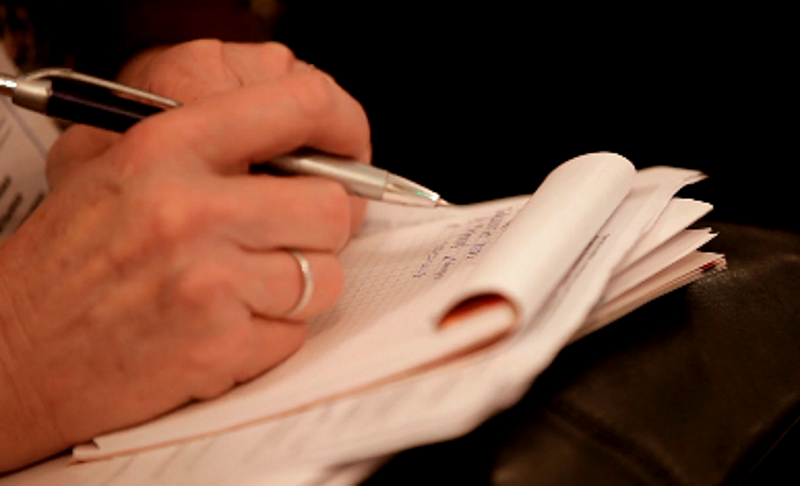
Once upon a time, when I wrote notes for my Medium stories, I’d write them down on paper, and completely flesh out my thoughts.
- The good thing about doing that was: I’d write down lots of great ideas, and even whole chunks of awesome points that I planned to use in my story.
- The bad thing about doing that was: I’d end up eventually having to transcribe all the notes to the computer. That felt like I was constantly duplicating my efforts. Plus, sometimes, if I waited too long to transcribe the notes, they were no longer fresh in my mind and I’d have trouble deciphering what I wrote.
Fast forward to now, after 600 published Medium stories, I’ve learned the value of making whatever notes I need to make, right there in the draft section.
When I use this method, one of two things will happen:
1.) Either I’ll write down some very definitive and useful notes — right there in the draft — and they’ll help guide me to the story’s end, whenever I decide to finish it…
OR
2.) I’ll end up writing down my notes — there in the draft — and even fleshing the notes out, thereby getting me a whole lot closer to actually finishing the story. This tends to happen the majority of the time, that’s why I love creating drafts.
Drafts enable you to hop right into things, whenever you start your writing session. What I do is pick and choose the drafts I feel like working on, depending on my mood or frame of mind at the time.
With a variety of drafts waiting for you to finish, all you do is work on them one by one.
Sometimes, you might not feel like finishing a particular story, for one reason or another, but you get it close to being ready to publish. Then you can move on to another story and do the same thing, or perhaps just finish that one entirely.
This is truly an optimum way to get a lot of writing done in half as much time! I honestly can’t guarantee what will work for someone else, but this system is really a productive one for me.
One of the things that I do when I create my drafts, is leave the type of notes that I would normally jot down on a notepad.
I usually put these kinds of technical notes at the very beginning of my story, that way they don’t get mixed in with any content that I’ve already written and finalized so far.
Placing the notes where I can see them, reminds me to follow through on any suggestions about publications, key words, and other ideas I leave for myself.
As far as jotting any notes down on paper; I try to limit that to as few as I possibly can. If I do jot something down, I make sure it’s just one or two thoughts or maybe a story title idea, to job my memory.
If I catch myself writing too much more than that, I immediately get on the computer and just start a new draft. Even when I know I don’t have time to spend on it at the moment, I jot any relevant notes down right there in the new draft, then resume whatever I was doing.
This method is clearly not one that everyone will find appealing and some writers may not even see my logic. That’s totally okay.
But if you’re starting to reconsider how you approach note taking and creating drafts, you may want to keep the following tips in mind.
Decide if you want drafts piling up or just enough to work through
Initially, I was a writer who didn’t like a lot of drafts sitting there, staring at me. I felt like they were defying me to finish them all. That’s why at first, I tried to stay in control of how many drafts I let stack up.
Now, I prefer doing just the opposite. I create as many drafts as my imagination can come up with, and I always create at least a working title, to entice me to stop and periodically work on the story.
A quick rundown of the process that works for me:
- My drafts typically contain technical notes and suggestions at the top of the page, and directly underneath, I start the story with a small amount of content, based on what I was thinking when I first saved the titles.
- I usually have around 5 specific stories that I alternate and work on until each one is ready for publication.
- I try and give myself no more than 2 to 3 days to get each story finished and self published, or submitted to a publication.
- Between the time it takes me to finish the stories, the titles tend to move their positions in the list of drafts, just like musical chairs, but eventually each one gets published.
The benefit that I find in having lots of drafts versus just a few, is being able to discover some awesome story ideas that may have slipped your mind.
Remember, the more drafts you start to create, the further down the list some of those great ideas will descend and pretty soon you’ll forget about them.
Then, one day when you may not feel in a specific mood to write something in particular; you start cruising your list of drafts, and you come across a cool idea you’ve already started working on.
I love it when that happens!
Final Thoughts
As I end this story and offer my final thoughts, let me state what I stated at the beginning, and what I typically say in all my stories.
When it comes to any writing advice that I may offer, it is merely to inform readers about what works for me — or in some cases, what doesn’t work for me.
Neither me or anyone else is in the best position to tell you which practices are best for you.
So read and digest this and all other writing tips, by taking it with a grain of salt and seasoning the information to taste.
Translation: Figure out what works for you and use it. As for the rest, just leave it alone.
Not a Medium Member yet? Join now with my referral link. I’ll earn a few bucks when you do, https://justissgoode.medium.com/membership plus I can HELP YOU START EARNING MONEY TOO! 😄