
Is Forgiveness Authentic if You Can’t Forget?
Forgiveness heals. Remembering is learning.
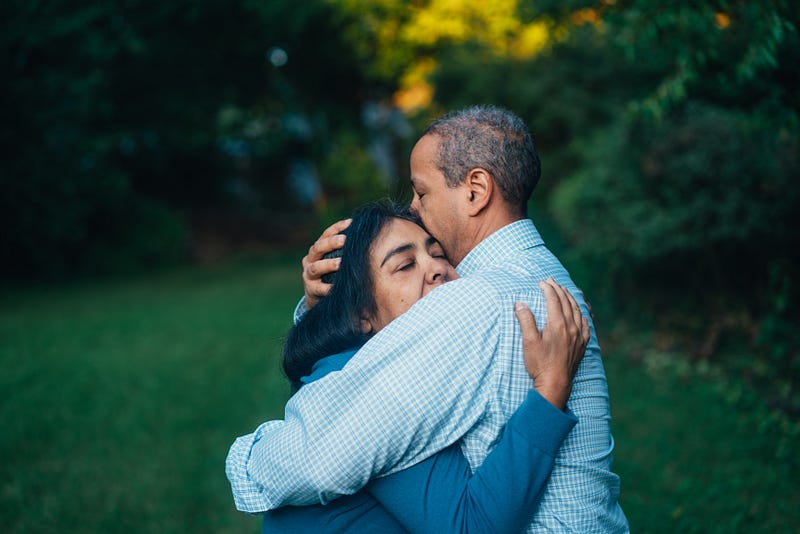
Forgive and forget are often said to make amends. It’s the olive branch we extend to bring unity among families and friends after a disagreement, fight, or heated argument. But these two words are easier said than done, especially when you’re on the receiving end of someone’s unkind words, deeds, or actions.
So, we oftentimes question ourselves. “Is forgiving and not forgetting someone’s wrong toward us an indication we haven’t truly forgiven them?”
The wound from hurt may heal, but the scar is always a reminder.
The Merriam-Webster dictionary defines forgiveness as — “to cease to feel resentment against (an offender) : pardon.”
In other words, it is a deliberate decision you make to release any ill-feeling of resentment that sometimes is accompanied by revenge and bias towards another.
I’ve been hurt many times in my lifetime. People have judged me. They have said unkind things about me, and have done me wrong — yet I bear no grudge or vengeance and extend them kindness should the need arise to the dismay of others who frequently ask me — “You’re still talking to Tom/ Jane or that woman, after all, they’ve done to you?”
But the way I see it — I can’t control the actions of others. So, I choose how I react instead.
The eye for an eye is never my mantra. Instead, I’ve always chosen pathways to bring peace, healing, and consolation to move on without being bitter.
Choosing to be combative only complicates the situation when someone has done you wrong.
This is just my personal belief, and I try to practice it as much as I can.
Until one day, my fiancé’s mother rubbed me the wrong way. I won’t get into the details because of the sensitivity of the situation.
But to summarize it, she misjudged me without knowing what I stand for and my sincerity towards her son. First, she said mean, unkind, and hurtful things to my face that were offensive. Then, she repeated them to others who pre-judged me without knowing anything.
I felt my integrity was under attack. No one has ever disrespected me to this magnitude.
I felt hurt. My mind and body were affected by the whole ordeal of a stressful situation.
I contemplated ending my relationship with a good man who did me no wrong because of his mom.
People will do you wrong that you will never understand.
I couldn’t imagine why someone would question my motive and degrade me for just being kind, considerate, and possess the qualities of a good human being as I always strive to be.
But I was to experience the wrath of an insecure, controlling woman who was on a mission to destroy my integrity.
I’ve never experienced the mother-in-law drama that many talk about. In my previous marriage, my ex-husband didn’t even know who his mom was. After I divorced, the next man I dated was a married man, so there wasn’t a chance in hell to meet his mother either!
“Hallelujah, I escaped the mother-in-law drama!!”
Wait ….
“Not so fast. My luck just ran out.”
At 47, there I was in a brawl with an older woman — the woman that could become my mother-in-law.
I tried to move on and not be bitter. But, unfortunately, even my usual mindset mantra failed me this time. The hurt and pain wouldn’t go away.
The words she said might have slowly faded from my memory. But the way she made me feel wouldn’t leave me as much as I tried.
“I’ve learned that people will forget what you said, people will forget what you did, but people will never forget how you made them feel.” — Mayo Angelo.
The resentment I felt towards her wasn’t as easy as forgive and forget.
We’re human. It happens to the best of us.
But one day, I looked within myself and saw an ugliness brewing. I couldn’t let anyone cause me to become someone other than who I really am. Being unkind, bitter, and resentful isn’t a part of my DNA.
I had to find a way to heal myself and care less about what she thought about me then, now, or in the future. That's the only way to find the healing I needed.
Why it is important to forgive yourself and others.
“To forgive is to set a prisoner free and discover that the prisoner is you.” — Lewis B. Smedes.
When you forgive someone, you forgive yourself and you forgive yourself for allowing someone to treat you the way they did. You may ask yourself — “Did I cause this on myself?” We sometimes blame ourselves in these situations.
Forgiving yourself is replacing resentment and hurt with healing. It gets you out of the mode of being a victim.
Forgiveness frees your mind and mental health. It restores your sanity to think straight again. Forgiveness gives you back your health and wellness. It reverses the ugliness of hatred, which oftentimes consumes us after unpleasant arguments and disagreements with others.
Forgiving someone is about being compassionate. It is walking in someone else’s shoe, relating to their experience as a human and considering what might have caused them to react or do what they did to you — “Is it their insecurity? Is it something they’re going through? Is it caused by jealousy? Or simply that they don’t realize they have done you wrong?”
When you forgive, you not only forgive others, but you benefit from being on the forgiving end, too. Only then are you able to make the emotional and psychological trauma caused by others a thing of the past.
With all that said, there is no denying or pretending that everything is okay. How you move forward with someone who did you wrong is a choice you’ll have to make for yourself.
Why forget the wrong others have done you? Isn’t that bad advice?
“Forgive but do not forget, or you will be hurt again. Forgiving changes the perspectives. Forgetting loses the lesson.” — Paulo Coelho.
Forgive and forget is a sentiment more than helpful advice. It may sound logical when the two words are paired together. But forgetting the wrong someone has done me seems illogical. It is of no help and rather offensive.
So, while we tend to find healing in the process of forgiveness, we can’t forget someone who wronged us. Otherwise, how do we safeguard ourselves from ensuring it never happens again?
I am not saying we should wear our wounds on our sleeves every day. But retaining the memory of the incident serves as a guard to protect us against it happening again.
I choose to be respectful and kind in moving forward. I have forgiven her.
The forgive and forget mentality is like putting a bandage on a wound that needs deeper intervention. The wound may appear to heal on the outside, but inside it is still infected and festering.
All that said — a sincere apology is a balm that can heal and is a great way to resolve a situation or conflict. You may want to consider this option rather than forgive and forget.
Have you been hurt by someone whom you have forgiven but can’t seem to forget the incident? Is being reminded of the wrongs others have caused or done to you makes you feel you haven’t fully forgiven them?
Let’s start a conversation in the comments.