
Is Django Dying? An Honest Look at the Future
Django “dying” rumors are more outdated than Internet Explorer 😂
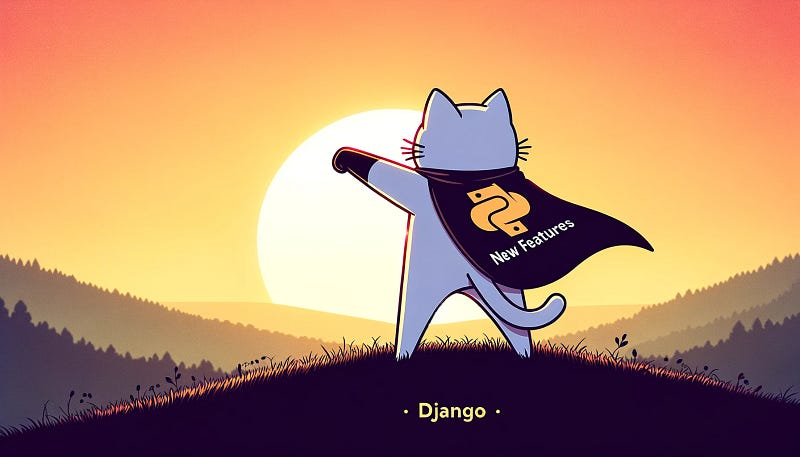
Tired of clickbait titles declaring Django’s death? I know I am. It’s like they haven’t bothered to check the massive companies still relying on it, or the amazing things the community is building. Frankly, calling Django “dying” is more out-of-touch than using Internet Explorer. Let’s dive into why Django remains a top player.
Section 1: Django’s Got More Lives Than a Video Game Cat
Let’s be real, those “Django is dead” articles get old fast. This framework is more resilient than a cockroach in a nuclear winter. Here’s why:
- New Tricks (Recent Updates): Django’s devs don’t sit around twiddling their thumbs. Recent updates brought us goodies like asynchronous views (hello, speed boost!) and built-in JSON field support (data handling just got smoother). Here’s a taste of that async view goodness:
from django.http import HttpResponse
import asyncio

async def my_async_view(request):
    # Do some time-consuming tasks asynchronously
    result = await long_running_task()
return HttpResponse(f"Here's your result: {result}")- The Loyal Crew (Community): Ever had a coding question at 2 am and someone answered? That’s the magic of Django’s community. Stack Overflow, dedicated forums, and tons of experienced devs mean you’ve got a whole team in your corner. This makes Django way more approachable and fun to learn.
- Real-World Champions (Success Stories): If Django was truly on its way out, would companies like Instagram, Spotify, and The Washington Post be building on it? Nope. These heavy hitters recognize Django’s power to scale and handle complex web applications.
- Built for the Future (Ongoing Relevance): Web development trends change faster than my mind about what to order for lunch. But Django’s adaptability is legendary. Powerful data handling, seamless API creation, and a focus on security mean it’s still a go-to choice for everything from social media sites to serious data-driven platforms.
See? Django’s not just surviving; it’s kicking butt and taking names. Those naysayers can write their clickbait headlines — we’ll be busy building awesome stuff with this ever-evolving framework.
Section 2: Okay, Let’s Talk About the Elephant in the Coding Room
Alright, I can’t sugarcoat it: some folks out there want Django to go the way of the dodo. Let’s debunk a couple of their favorite reasons and inject some reality into the situation:
- Shiny New Toys (The Lure of Other Frameworks): “JavaScript is hotter! React is faster! FastAPI is the future!” Sure, new tech is exciting, but it doesn’t automatically make old tech obsolete. Different tools have different strengths. Need a robust backend that plays well with complex databases? Django often still beats the pants off those bleeding-edge options.
- Scaling Woes (The Myth of the Monolith): It’s true, that scaling a massive Django app can be tricky. But guess what? That’s true for any framework when you reach a certain size. Smart architectural choices, caching, and load balancing are your friends here — regardless of your tech stack. Here’s where Django’s community shines: those devs have faced these challenges and are happy to share solutions.
# Example: Using caching to reduce database load
from django.core.cache import cache

def get_trending_topics(request):
    trending_topics = cache.get('trending_topics')
    if not trending_topics:
       trending_topics = calculate_trending_topics()  # Time-consuming operation
       cache.set('trending_topics', trending_topics, 600)  # Cache for 10 minutes
return render(request, 'trending.html', {'topics': trending_topics})- The Balanced View (Where Django Shines): Django isn’t the magic solution for every web project. But if you need rapid development, clean structure, and rock-solid reliability, it’s a contender you’d be foolish to dismiss. Startups, news sites, internal tools — these are areas where Django excels. Plus, plenty of strategies exist to squeeze even more performance out of it.
The takeaway? Don’t fall for the hype-cycle trap. Django isn’t some relic to be scoffed at; it’s a mature, battle-tested framework that gets the job done with style.
Section 3: Django’s Crystal Ball — Gazing into a Thriving Future
Here’s the thing about those “dying” prophecies: they underestimate Django’s ability to reinvent itself. It’s got more comebacks planned than a washed-up pop star. Let’s peek into what the future might hold:
- Focus on Performance: Speed matters and Django devs know it. Expect continued optimizations, making Django leaner and meaner with each release. Wouldn’t it be sweet to see some built-in tools for effortless load balancing? It’s not out of the question!
- Embracing New Tech: WebAssembly taking off? AI-powered features changing the game? You bet Django will find smart ways to integrate and capitalize on these shifts. It’s got a history of evolving with the web, not getting left behind.
- Django: The Swiss Army Knife of Web Dev: With increasing focus on areas like API development and integrations, Django is positioned to be the reliable heart of even more diverse projects. We might even see more specialized ‘flavors’ emerge, targeted at specific niches.
# Example: API creation with Django REST Framework
from rest_framework import serializers, viewsets
from .models import BlogPost

class BlogPostSerializer(serializers.ModelSerializer):
    class Meta:
        model = BlogPost
        fields = '__all__'

class BlogPostViewSet(viewsets.ModelViewSet):
    queryset = BlogPost.objects.all()
serializer_class = BlogPostSerializer- Why This Bodes Well: Django’s got a knack for keeping things simple even as power grows. This attracts new devs (growing that awesome community!) and ensures experienced folks don’t face a constant uphill learning curve. It’s an adaptable beast, keeping it relevant no matter what trends pop up.
Let the doomsayers cling to their clickbait; those of us in the know will be using Django to build the next generation of incredible web experiences.
Conclusion: Django Ain’t Going Nowhere (And You Shouldn’t Either)
Let’s call it what it is — Django isn’t just surviving, it’s thriving. This framework’s a powerhouse with updates flowing, a passionate community at its back, and the real-world chops to prove it.
Forget those tired “Is Django dead?” articles. A better question is, “How will Django continue to kick butt and take names?” Because you know it will.
Your Next Move: Here’s how to get in on the Django action:
- Take the Plunge: Haven’t tried Django yet? Dust off your keyboard and tackle a beginner project. You may just fall in love with its get-stuff-done attitude.
- Join the Club: Hop onto Django forums, and connect with other devs on Discord (hey, come join mine — https://discord.com/invite/JGTayeYnXs). Tap into the collective knowledge that makes this community awesome.
- Build the Future: Django’s open-source magic means you can shape where it goes next. Do you have a killer feature idea? Contribute and leave your mark!
Django’s story is far from over, and yours could be just beginning. Keep an eye on this space — who knows what mind-blowing applications we’ll build together next.
Speaking of… Do you have burning questions or awesome article ideas for me to tackle? Drop them in the comments! And while you’re feeling generous, give me a follow on Medium (https://medium.com/@danielbuilescu) for more programming times.
In Plain English 🚀
Thank you for being a part of the In Plain English community! Before you go:
- Be sure to clap and follow the writer ️👏️️
- Follow us: X | LinkedIn | YouTube | Discord | Newsletter
- Visit our other platforms: Stackademic | CoFeed | Venture | Cubed
- More content at PlainEnglish.io


