
Is Delhi Next In Line To Donora, London?
Tracing the Legacy of Deadly Smogs
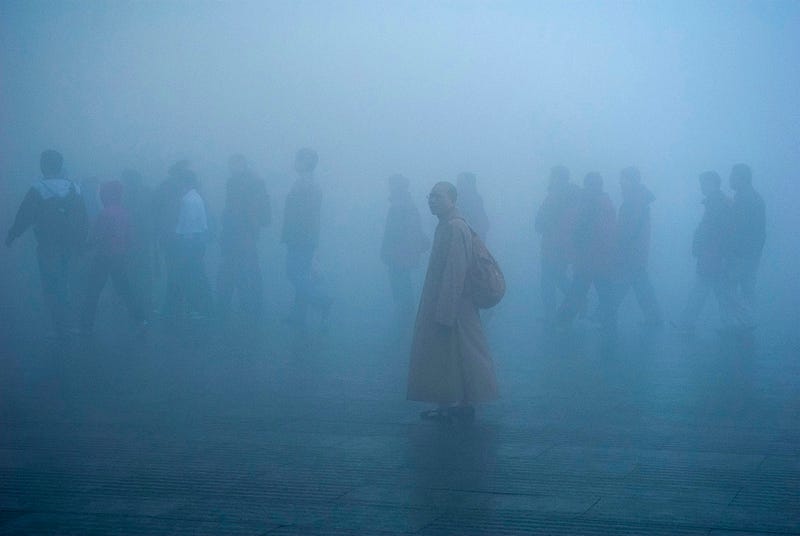
Traveling back to October 27, 1948, fog began to accumulate in Donora, Pennsylvania. In the subsequent days, it caused coughing and respiratory diseases affecting 14,000 residents of the town, resulting in 20 fatalities. Considered one of the worst air pollution events in the nation’s history by The New York Times, it became known as the infamous Donora Smog.
Our next destination is London on December 5, 1954. A thick blanket of smog covered London for almost a week, claiming the lives of thousands (4,000) and affecting even more (around 100,000). This event, known as The Great Smog, stands as the worst air pollution episode in the history of London.
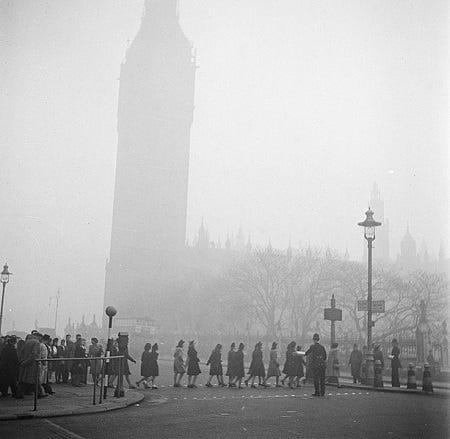
Now, in Delhi 2023, India Today rightly called out, stating, “Delhi Chokes.” After Diwali, the air quality in Delhi dropped, covering the city with a thick layer of smog. This phenomenon occurs annually, affecting the residents of the nation’s capital.
Let’s conduct a root cause analysis of these man-made natural disasters. Donora’s incident was due to temperature inversion, which led to cold air preventing pollutants of zinc and other steel factories from escaping into the atmosphere, causing a thick smog of pollutants. The same is the case with London, where an anticyclone led to a temperature inversion, combined with pollutants from coal burned for household needs and power stations. Sulfuric acid, nitrogen dioxide, fluorine, and other poisonous gases that usually disperse into the atmosphere were trapped in a thick layer of fog. For Delhi, the yearly phenomenon of smog is attributed to crop fires, pollution from excessive vehicle use, and nearby factories.
All these incidents point to one thing: our assumption that the pollutants we release will escape into the air. When nature is so unpredictable, we rely completely on it. It is the hot air that usually carries pollutants away, and when this fails to happen, we end up with cases like the Donora Smog, the Great Smog, or Delhi’s yearly smog. We have failed to learn from preceding events in history, emphasizing a strong need for sustainable development.
The only resource that has been available for free from the very beginning is “air.” In the name of development, we are adversely affecting air quality. It is high time we take a pause and adopt more sustainable means of development. In a world where we question everything, we should not even be worried about the air we breathe!
Stay tuned for more articles!
Sahithi Meda


