
Is Credit Card Churning a Good Idea? What Risks are Involved? - Bright
Credit card churning may sound like a nice way to maximize rewards and points, it has a serious downside.
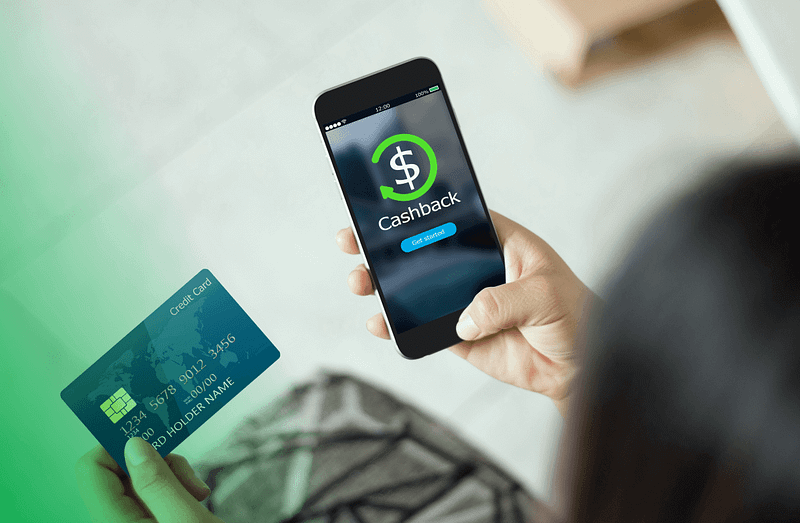
What is credit card churning?
Credit card churning is a process that involves regularly applying for new credit cards. It’s usually done to take advantage of the perks and sign-up bonuses that come with them — and then typically stopping the use of them once the benefits are received.
By opening multiple credit cards, you can get a significant amount of reward points, cash back or airline miles within a short period. It’s a risky strategy, but it’s still beneficial for those who are knowledgeable about the rewards system. However, credit card companies have started implementing procedures designed to limit credit card churners from taking advantage of the reward system.
How does credit card churning affect your credit score?
One of the biggest risks that credit card churners face is the damage it can do to their credit. If they’re not careful, the things churners do to get the most rewards can have a negative effect on their credit scores.
The 4 risks involved in credit card churning that affect credit scores:
1. Opening multiple credit card applications
New credit card accounts can affect your credit score. Opening a few or several new accounts can signal you’re in financial distress, which can raise doubts with credit bureaus. Generally, it’s a good rule of thumb to wait six months between applications.
But credit card churners typically apply for multiple cards in one day, then pause for several months to maximize their rewards and points.
2. Credit utilization
A large percentage of your credit score hinges on your credit utilization ratio. That metric looks at how much credit you have and how much of it you’re using.
The lower the ratio, the better. But this can cut two ways: If you’re churning multiple credit cards, you’re likely to have more overall credit and thus a higher potential credit utilization ratio — assuming, of course, that you don’t carry large balances.
But if you’re racking up debt across multiple cards just to score one-time sign-up bonuses, your scores will suffer until you pay off those balances. On-time payments and responsible card use are key to making the most of card churning.
3. Payment history
Payment history is one of the biggest factors on your credit score. If you forget to make a payment on time, because you’re churning credit cards and juggling due dates, you’re likely to miss a payment and ding your score.
Setting up automatic payments and text alerts can help, but it still requires attention to balances and double-checking your payments are on track.
4. Length of credit history
If you add new cards while churning and then close them down the line, you might see a ding on your credit score. Credit bureaus consider the average age of your accounts, and if you’re opening and closing accounts quickly, you might be penalized with a drop in your score.
Is credit card churning worth it?
We’ve looked at the risks, so is churning worth a shot? It depends on how responsibly you can manage the new cards you take on:
Credit card churning is suitable if:
1. you’re a responsible cardholder;
2. you’ve got excellent credit history;
3. you regularly use credit cards for big purchases; and
4. you have a genuine interest in churning (keeping your due dates at your fingertips is key)
Credit card churning is not suitable if:
1. You’re a new credit card user;
2. You’ve got a lo credit score; and
3. You’re not keen to take up multiple cards.
More reasons why credit card churning is risky
There are still more risks to credit card churning. One is the time commitment involved: it can take you a long time to keep track of all your due dates and requirements for earning bonus points.
Think hard about how it affects your credit score too. According to a study by FICO, the number of credit inquiries you initiate, like with credit card applications, can affect up to 10% of your credit score. Although it’s unlikely that a single new credit card account will have a negative impact on your score, opening multiple accounts in a short time could raise a red flag.
If a credit card issuer sees a red flag on your credit report, the issuer can potentially give you a low credit line or even reject your application completely.
Another potential issue: racking up too much debt. You might not be able to pay off your balances in full and end up paying high interest charges.
Finally, credit card companies don’t like churning. They’ve put measures in place to crack down on it by implementing policies that prevent people from signing up for multiple accounts. If they suspect you’re churning, they’re unlikely to offer the card you’re looking for.
Conclusion
Although credit card churning may sound like a nice way to maximize rewards and points, it has a serious downside. It’s a high-risk strategy that can damage your credit score and increase your interest rate — and potentially lead you to more late fees and interest charges. It can have a long-lasting effect on your credit report, despite the benefits of the rewards you could earn.
Recommended Readings:
What happens when you default on a credit card?
How to lower credit card interest & processing fees
Originally published at https://www.brightmoney.co.


