
Is COVID-19 a sign to become self-sufficient?

The world as we know it faces a new normal in the wake of the corona virus. Whether you view it as a pandemic or ‘PLANdemic’ it is worth considering that worse is yet to come. So what does that mean for whether you live in a quaint New York studio apartment or a penthouse in downtown LA? You might want to trade in the city life for securing country property (overalls optional). And no, you won’t be the first, as young Americans have already left the cities in droves since the virus broke. Now I’m not telling you to doomsday prep by building underground bunkers and isolate yourself from civilization. However, here are practical steps you can take to make sure that you are prepared for the lasting effects of a contagious virus.
BUY DRY GOODS IN BULK
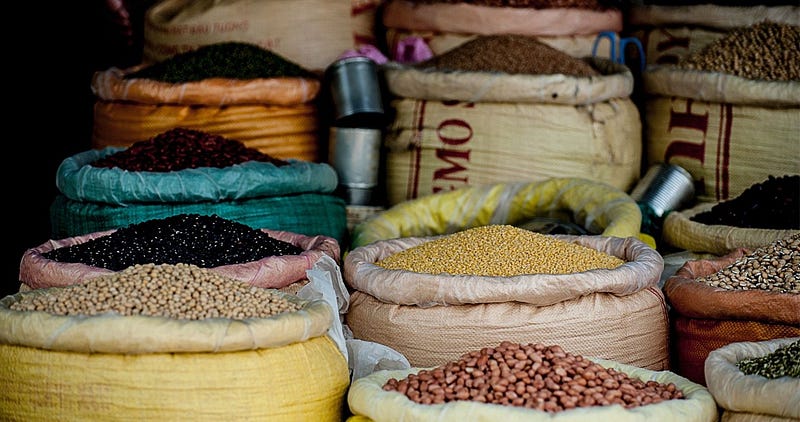
I cannot stress this enough. With city wide lockdowns, it is difficult to pop into the local bakery or Kroger to get the weekend steak and potatoes. In fact, perhaps you have already experienced going to the grocery store and finding the produce aisles empty. Not to mention, with everyone and their grandmother baking banana bread right now, pantry staples such as flour and sugar is pretty scarce right now. Seriously though, were you even in quarantine if you didn’t bake banana bread? All in all, whether things improve within the next few weeks or months, make it a habit to buy dry goods in bulk. Not only will you have food stored for rainy days, (quarantine days to be precise) you will also save money!
GLASS JARS & MYLAR BAGS
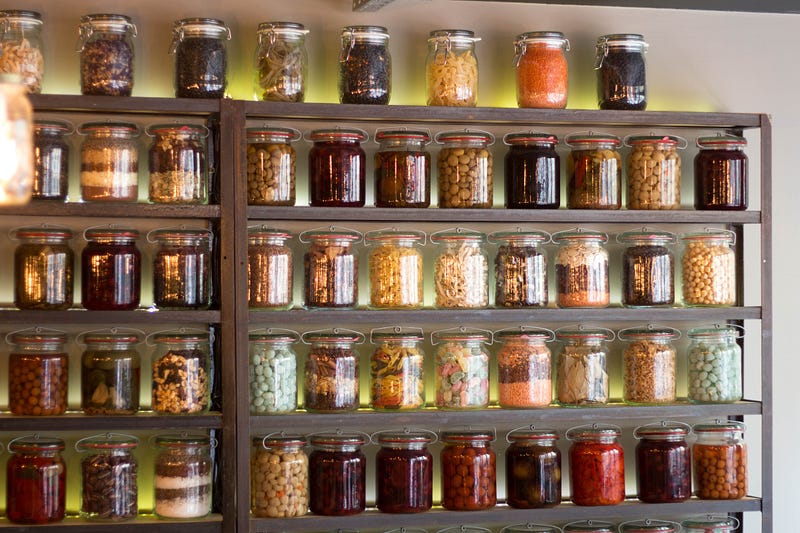
This brings me to my next tip. So now that you have stocked up on rice and pasta, you’ll want to ensure that they last longer by taking them out of the original packaging. Glass jars are excellent for long term dry food storage. These are great for peas and beans, herbs and spices, nuts and even snacks such as dehydrated fruit and trail mixes. If you don’t have a bunch of mason jars lying around, you can reuse glass jars from your favorite marinara sauce. Just be sure that whatever you put inside is what you would actually eat! It’s no use storing something that you don’t eat on a regular basis.
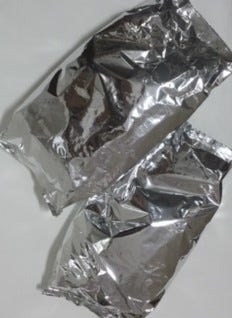
When it comes to long term storage, another method of food preservation is the use of mylar bags. Not only does it have the benefit of storing food for more than a year, it also helps to keep out moisture. You generally want to use a mylar bag that is at least 5.4 mils thick. This is necessary since it prevents light from penetrating the bag which would decrease the shelf life. Additionally, be mindful of the thickness to guard against sharp edges. If you happen to stock up on spaghetti, you want to make sure the bags are thick enough so that the pasta won’t puncture it. Again, to the mylar bags you should only add dry goods such as oats, corn meal and grains. Before sealing, you want to add oxygen absorbers to minimize air content. If you end up purchasing a 50 pound bag of pinto beans for less than 50 cents a pound, consider placing the mylar bags in plastic bins or placing bay leaves around your pantry, you know, to keep the critters out (unless you can manage to eat that much beans in a year). To store, mylar bags can be sealed with an iron. Be sure to label your bags with the name of the item stored and the date sealed. This helps to ensure you don’t go opening all the bags searching for oats. It also ensures that you use up bags that were stored longer first. You will notice the oxygen absorbers at work within a few days when the bag begins to shrink. One of the best things about mylar bags is that they can be reused. Just cut them down to size, replace the oxygen absorber and reseal.
CANNING AND PRESERVING FOOD
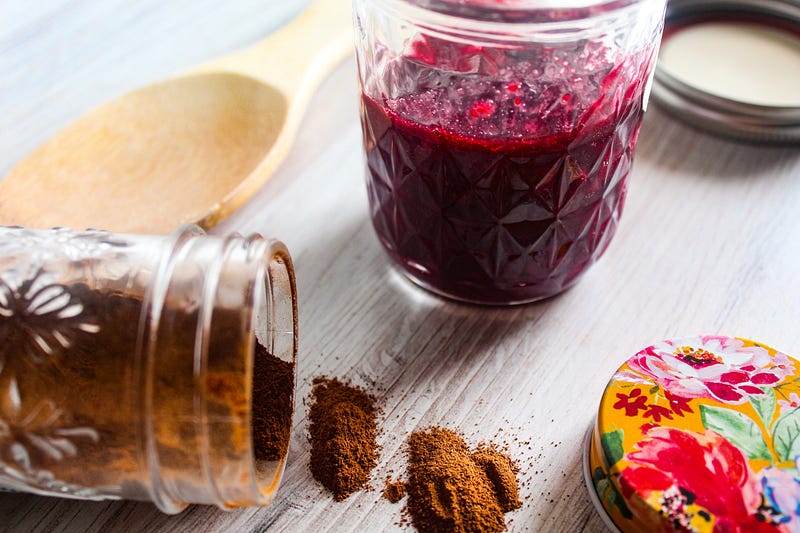
Yes, now that you are home 24/7 why not try making your own preserves. Now canning is not as simple as placing homemade apple sauce in a jar and storing in the refrigerator. While you do need to follow specific steps, it becomes quite an easy process once you get the hang of it. One simple canning method involves placing jars in a hot water bath. This method works best for preserving fruits, jams and jellies that are highly acidic. This is done to destroy micro-organisms that cause food to spoil. When it comes to preserving however, do not reuse glass jars, as the lids have already been compromised. Instead, use only mason jars since the lids come with a seal and can be fastened with a band. Just make sure there are no scratches on the seal, dents or rust. Before use, wash your mason jars and sanitize in the oven using low heat. What you do need from your kitchen is a large enough pot that will cover the jar with at least 1–2 inches of headspace. You will also need to whip out the old kettle to keep hot water at hand to maintain that headspace as the water boils. Special equipment you would want to invest in include a wire rack to provide a barrier between the jar and the base of the pot. This prevents the jar from shattering. In addition, jar lifters are needed to transfer the mason jars in and out of the water bath. So, the next time there’s a sale on your favorite fruits why not look up recipes for preserving them at home.
GROW YOUR OWN FRESH PRODUCE
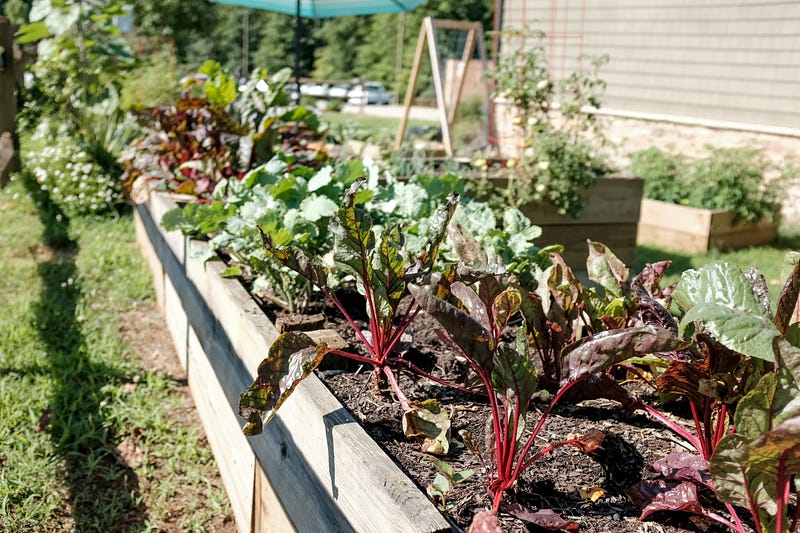
Do you find it strange that purchasing seeds and garden tools are considered a ‘non-essential’ item? Don’t fall for the trap of being dependent on the Government. What better way to keep yourself safe and know where your food comes from, than growing it yourself. Sure not all of us were born with green thumbs but there are many ingenious ways out there to grow anything edible. If you are still strapped for space, start by replanting your favorite herbs in jars by the kitchen window. You can also utilize window sills by placing boxes to grow tomatoes, spinach and strawberries. If you have the freedom to set up kitchen gardens, get organic seed packets of your favorite seasonal fruits and vegetables. Intercropping with herbs such as holy basil and horticultural plants like marigold work as excellent pest repellants.
Follow these steps and before you know it, you will become food secure and have enough surplus to share with others.


