
Is Coffee Doing More Harm Than Good For You?
An unbiased look at caffeine and how it can help or harm our well-being.
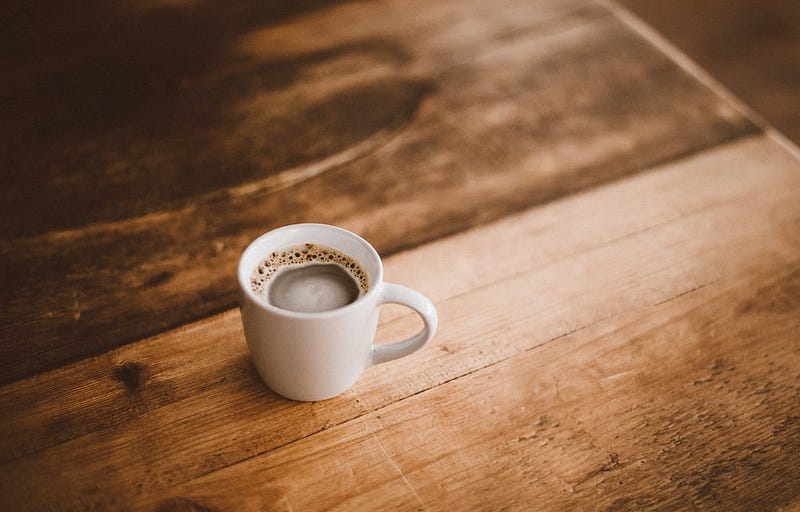
I’ve been a coffee drinker my entire adult life. Like many others, I started with sweetened cappuccinos in my late teens, and soon enough relied on my early AM caffeine fix to get my day started.
For 10 years I drank coffee, almost every day. It was never excessive, I’d have two to three coffees on a normal day, at most four on a long day. I love the ritual, I love the taste. Black coffee got me through my days.
Earlier this year I wanted to experiment with what it would feel like in my body (and mind) to not have caffeine (in those quantities) every day. I had never not had coffee for longer than a few days in a row, and I was dreading the withdrawal symptoms.
And I’m not going to lie, it was not pleasant.
For a few days I felt like my day never really started, almost like a mild persisting hangover, which was accompanied by headaches and irritability. This already made me wonder — what is this stimulant that I’m drinking every day that my body is physically so reliant on?
Should I actually be drinking coffee?
After a few days my cravings subsided and my energy levels not only returned to normal but actually improved. Goodbye feeling like you can’t possibly get out of bed in the AM. Goodbye afternoon slump.
In the coming weeks I became what you could call “caffeine curious” and explored my relationship to coffee. I would have a regular coffee a few more times, always paying close attention to how it made me feel. My body always reacted the same: My heart immediately started racing. I was over-aroused. It didn’t feel great.
That’s when I decided to shift to alternatives for good. Along my caffeine curiosity journey I came across some interesting findings which I’m sharing below. As well as some telltale signs as to whether you may be better off without coffee too, including tips for those that want to make the switch.
There are several health benefits associated with coffee consumption
There are quite a few health benefits associated with coffee.
Coffee beans have high levels of antioxidants and several beneficial nutrients.
Research suggests that coffee cannot only boost your energy, concentration, metabolism and physical performance, but is also linked to lower risk of diabetes, certain cancers, strokes, and several other diseases.
It may also have a positive impact on longevity as recent studies found.
It’s deeply ingrained in many cultures around the world — particularly in Europe coffee consumption is the highest, closely followed by the US.
However, caffeine is a stimulant that can do more harm than good for some people
Despite several health benefits, coffee may do more harm than good for some people. As with most nutrition topics, you’ll find evidence for each camp.
But whether you experience any of the negative effects really only depends on two things: quantity and your sensitivity.
Caffeine is a strong nervous system stimulant with addictive properties. The rewarding energy boost is immediate. We develop tolerance and eventually require higher amounts to achieve the same effects. Withdrawal symptoms are clearly observable for regular drinkers. While it may not as addictive as other psychoactive substances, it does quickly create dependency.
In fact, you can overdose on coffee, which would require you to consume ~15x the normal amount (normal amount assuming 2 cups) within a very short period of time.
For some people, too much coffee can cause anxiety, insomnia and heart palpitations, as well as digestive issues and fatigue. Due to its high acidity, coffee is inflammatory and can increase your stress hormones.
Another unsettling fact is the chemical components in coffee, especially in the US. Compared to European countries, the US has no or very low standards for coffee, so beans that are too high in mold toxins to be sold elsewhere usually end up here. These toxins can trigger severe headaches and allergies for some people. Mold toxins are also linked to cancer, brain damage, hypertension and kidney disease.
How do I know if I coffee is good for me or not?
Short answer: You likely won’t know until you give it a try. If you’ve been drinking coffee for a long time, you’ve developed a tolerance and it may be hard to tell whether it’s good or bad for you until you go off of it.
Our bodies are magnificent in a sense that they really can survive pretty much regardless of what we put in, think about how long it actually takes for someone to get really sick when they have a shitty diet.
Surviving is not the same as thriving however, and if you want to thrive your caffeine consumption may be worth an exploration.
For me, especially the fatigue was bothersome. I often found myself drinking more coffee as the day proceeded simply to rebound from the dip in energy level following my previous coffee. Once I drastically reduced my caffeine intake, my energy levels quickly stabilized.
If you are prone to anxiety or fatigue you may also be better off without it. Same if you struggle with digestive issues, too much caffeine really irritates our gut and may make issues only worse for those already struggling with digestive health, to begin with.
Lastly, a good final indicator is whether or not your are a highly sensitive person (HSP). HSPs generally have more reactive nervous systems and are thus more sensitive to all kinds of stimulants, including caffeine.
There are gentler ways to get similar benefits
Most people enjoy their coffee for three main reasons: the energy boost, the ritual around its consumption, and perhaps some of the health benefits.
So if you wanted to cut down on coffee, how could you replace each benefit?
You may find your energy levels actually increase once you drastically reduce you caffeine intake, as they did for me. Then there are alternatives like green teas such as matcha, which has about 1/3 of the caffeine content of coffee. Matcha sustains your energy for a longer period of time (usually 4–6 hours) and provides a much more stable boost than the quick spike and drop that we usually experience from coffee (usually lasting 1–3 hours).
Matcha lattes are also a beautiful way to replace the coffee ritual. I sometimes make a “bulletproof matcha” with foamed almond milk, some maple syrup and a little coconut oil. And honestly, I’ve grown to love the taste of it even more than coffee. When I do crave the taste of coffee, I’ll now happily have a decaf that has much, much less caffeine (around 1/5 of regular coffee to be precise).
If you don’t like green tea there are several simple options to naturally boost your energy quickly: Go for a brisk 10 minute walk. Briefly practice an active breath such as “breath of fire” from the Yogic tradition. Splash some cold water on your face. Open a window to get some fresh air. Listen to an upbeat song and move a little. Have a glass of water. You get the idea.
As for health, many of the benefits stem from coffee bean’s antioxidants content. Many people get more antioxidants from coffee than from all the plants they eat (in which case that can’t be many…). Good news is there are many other plants that have high antioxidant levels. A rough indication can be the color: dark, colorful foods are usually antioxidant-rich. Dark chocolate, pecans, berries, kale, spinach, cabbage, and beets are all great candidates.
So, why not try it out and see if you could actually feel better without it?
If that’s the case, and you can get the same benefits from something that doesn’t cause dependency, anxiety, and disrupts your sleep, there’s no reason to continue drinking coffee.
Giving up coffee may seem like a big sacrifice, but once you actually experience how the low-caffeine life makes you feel differently, it won’t seem hard at all. And if giving it up all together still seems impossible to you, reducing your consumption is a great starting point to better your well-being.